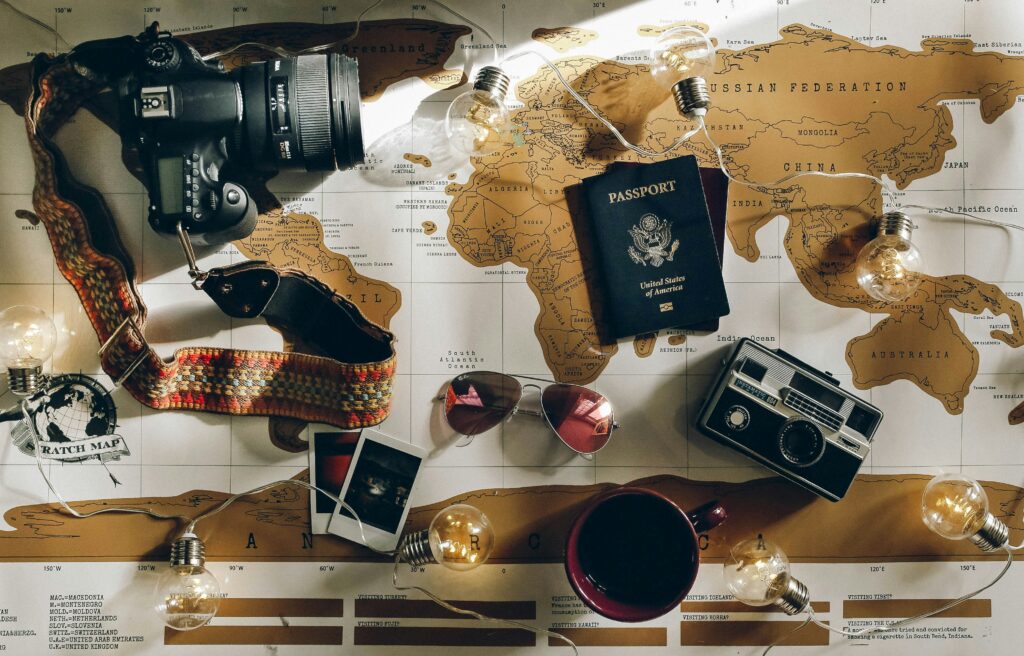
Introduction: Why Documents Matter
Before you can board a plane or cross a border, paperwork decides whether your journey begins smoothly or ends in stress. Missing or incomplete documents can derail even the best-planned trip. But with preparation, understanding, and the right tools, you can simplify the process.
This guide explains the three most important travel documents—passports, visas, and insurance—and offers practical tips to ensure you’re always ready for takeoff.
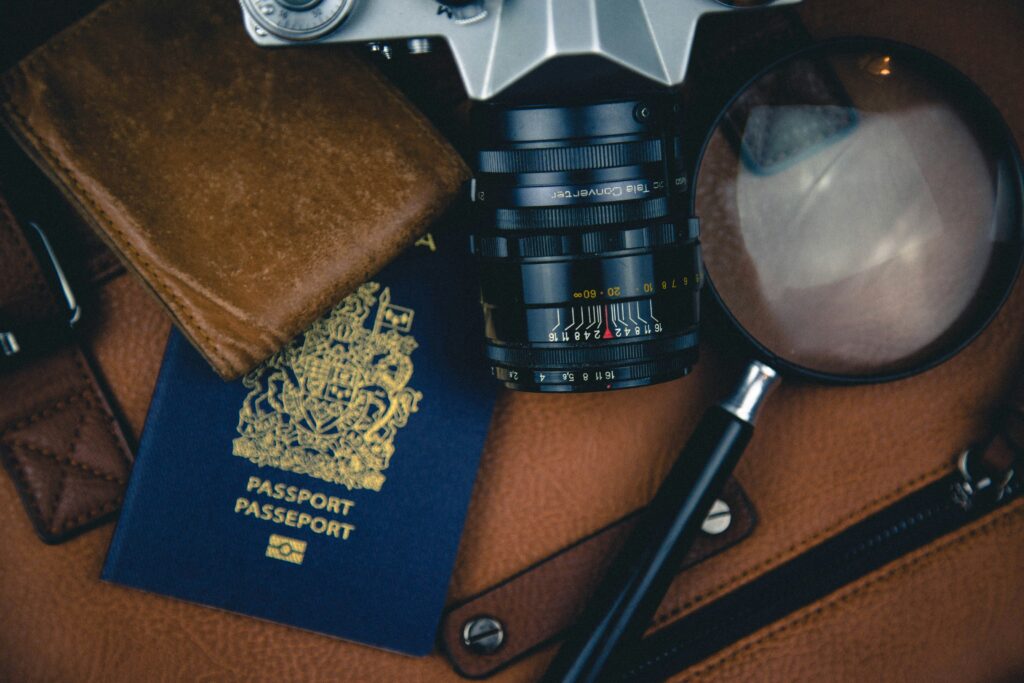
Passports: Your Key to the World
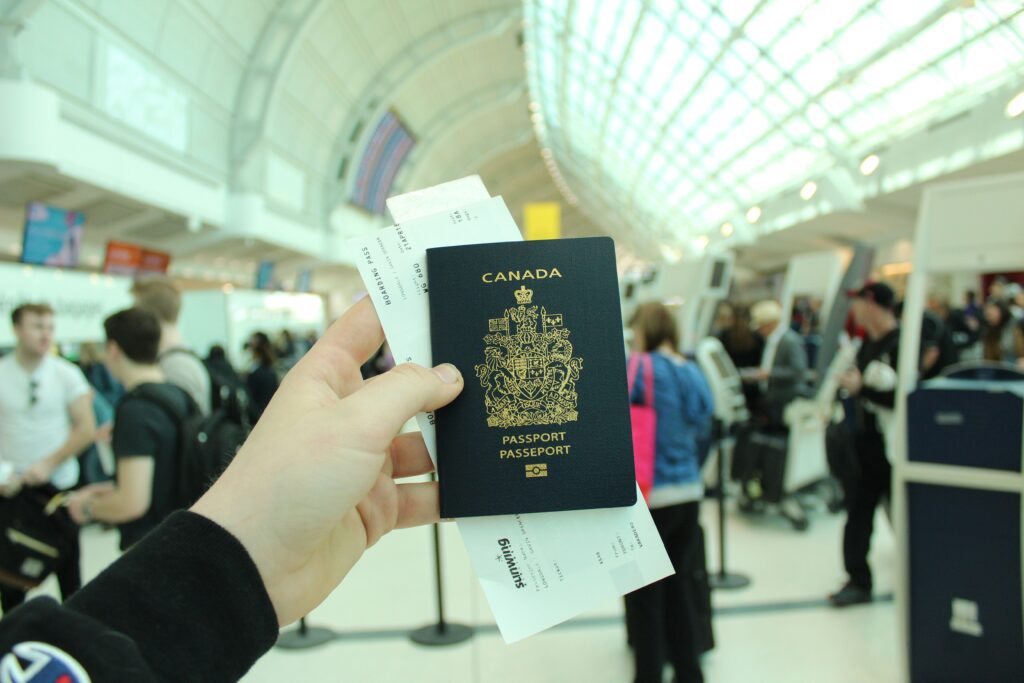
A passport is your most essential travel document—without it, international travel is impossible.
Tips for Managing Your Passport:
- Check expiration dates: Many countries require at least 6 months’ validity beyond your return date.
- Renew early: Passport renewals can take weeks or months depending on demand.
- Carry copies: Keep digital and paper copies separate from the original.
- Protect it: Use a waterproof cover and keep it in a secure pocket.
Extra Considerations:
- Some countries require two blank pages for entry stamps.
- If traveling frequently, consider applying for a second passport booklet in some countries.
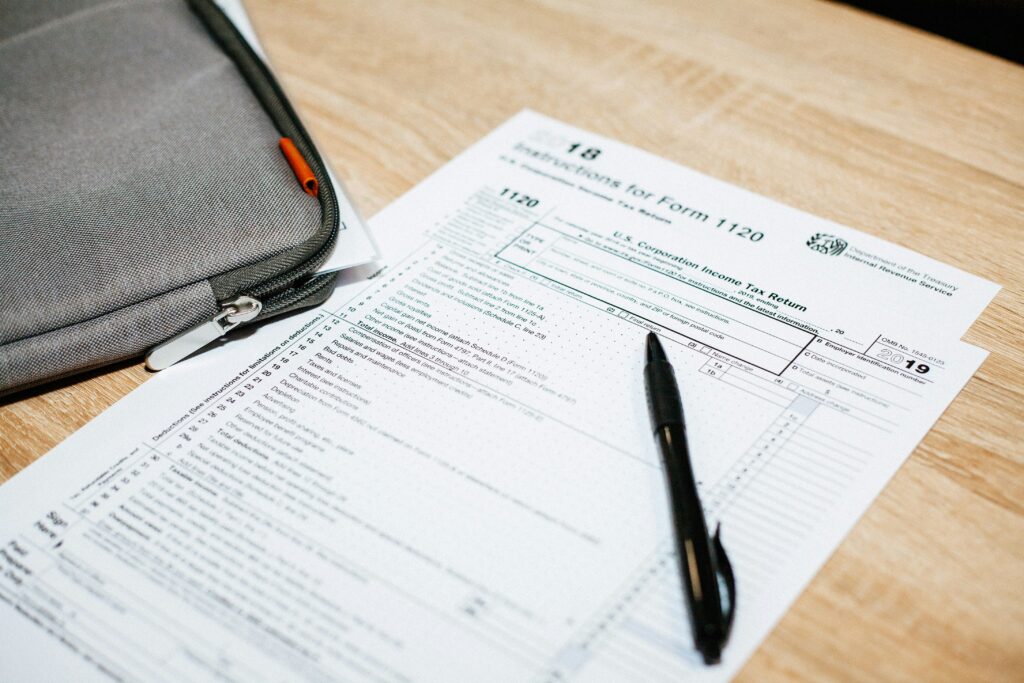
Visas: Unlocking Country Entry
A visa grants permission to enter, stay, or transit through a country. Requirements vary widely by nationality, destination, and purpose of travel.
Types of Visas:
- Tourist Visa: For leisure travel.
- Business Visa: For professional meetings or conferences.
- Transit Visa: For passing through en route to another destination.
- Working Holiday / Long-Stay Visas: For extended cultural exchanges or study.
Application Methods:
- eVisa: Online applications approved digitally (e.g., India, Kenya).
- Visa on Arrival: Available at airports for certain countries.
- Embassy Applications: Traditional method, may require in-person appointments.
Tips for Visa Success:
- Apply early—some visas take months to process.
- Double-check entry/exit requirements (single-entry vs. multiple-entry).
- Keep printed approvals handy, even for digital visas.

Travel Insurance: Protecting Your Journey
Many travelers overlook insurance, but it can be the difference between a minor setback and a financial disaster.
Types of Travel Insurance:
- Medical Coverage: Covers hospital bills, doctor visits, and emergencies abroad.
- Trip Cancellation/Interruption: Reimburses costs if illness or emergencies force you to cancel.
- Lost Luggage/Delay: Compensation for missing bags or long delays.
- Adventure Coverage: Extra protection for skiing, diving, or trekking.
Why It Matters:
- Healthcare costs abroad can be thousands of dollars.
- Some countries (e.g., Schengen area, Cuba) require proof of travel insurance for entry.
- Policies often include 24/7 assistance hotlines.
Pro tip: Compare policies online, and always read the fine print to know exclusions.

Other Essential Documents
Beyond passports, visas, and insurance, other documents may be crucial depending on your trip:
- International Driving Permit (IDP): Needed in many countries for car rentals.
- Student or Youth Cards: Discounts on transportation and attractions.
- Vaccination Certificates: Yellow fever or COVID-19 records required in some destinations.
- Hotel Confirmations / Itinerary: Sometimes requested by immigration officers.
Pair with our Cultural Journeys: Festivals Worth Traveling For for trips that may require proof of bookings during peak times.
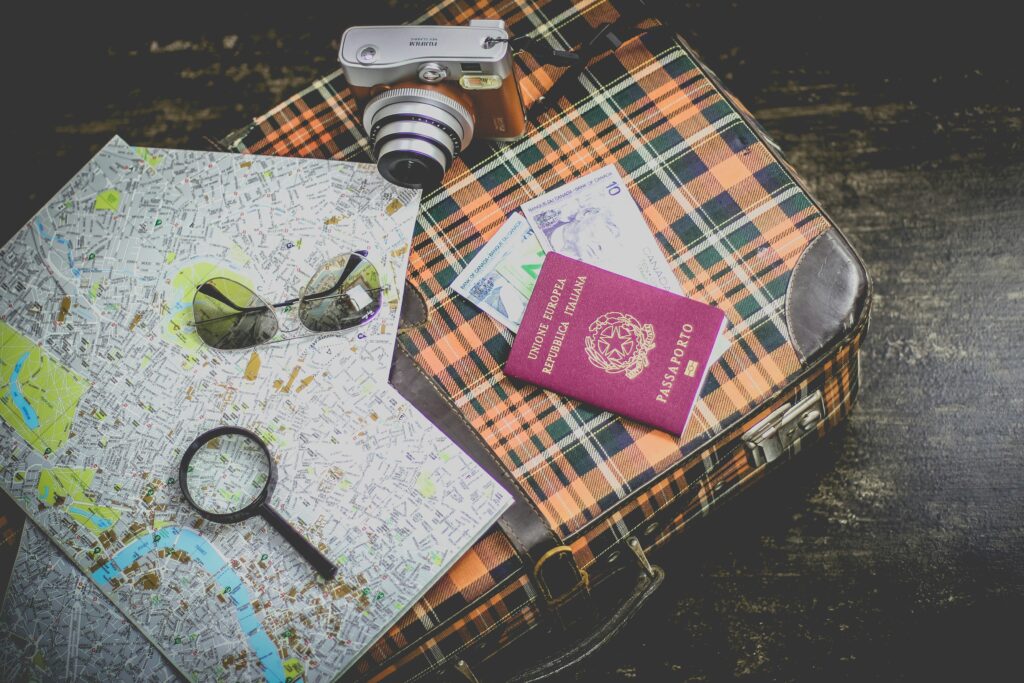
How to Organize Travel Documents
Staying organized avoids last-minute panic at the airport.
Practical Tips:
- Digital Storage: Save scans in cloud storage or a secure travel app.
- Paper Folder: Keep printed copies in a slim folder.
- Separate Originals & Copies: Store originals in one place, backups in another.
- Use Travel Wallets: Keep passport, boarding pass, and cards together for easy access.
Conclusion: Travel Smart, Travel Secure
Travel documents may seem like nothing more than a stack of seemingly mundane paperwork—pages filled with stamps, signatures, and official jargon—but in reality, they are your most precious gateway to boundless freedom and exploration. Far beyond mere formalities, these essentials hold the power to turn your travel dreams into tangible reality: a valid passport isn’t just a booklet of identification, but a key that opens doors to far-flung destinations, bridging borders and allowing you to step into cultures, landscapes, and experiences you’ve only imagined. A visa, meanwhile, isn’t just a sticker or stamp—it’s a golden ticket that unlocks access to nations near and far, each with its own unique traditions, flavors, and adventures waiting to be discovered. And travel insurance? It’s your silent guardian, a safety net that safeguards your journeys against the unexpected—whether it’s a sudden medical emergency, a delayed or canceled flight, lost luggage, or unforeseen disruptions that could otherwise derail your plans and leave you stressed and stranded.
The magic of preparing these essentials ahead of time lies in how it transforms travel from a chaotic, anxiety-inducing ordeal into a smooth, seamless adventure. Instead of scrambling at the last minute to renew an expired passport, rushing to secure a visa with days to spare, or worrying about what might go wrong without insurance, taking the time to plan ensures peace of mind. Research visa requirements well in advance, double-check that your passport has at least six months of validity beyond your trip (a common requirement for many countries), and choose a comprehensive insurance policy tailored to your travel style—whether you’re backpacking through remote regions, luxury cruising, or exploring bustling cities. This proactive approach strips away the stress, letting you focus on the excitement of your upcoming journey rather than logistical headaches.
So, before you zip up your suitcase, fold your clothes, or pack your favorite travel snacks, take a moment to gather and review your documents one final time. Verify that your passport is signed, your visa (if required) is correctly issued and up-to-date, and your insurance policy is easily accessible—both digitally and in print—with all necessary contact information. Because a confident traveler isn’t just someone who’s eager to explore; they’re a prepared traveler—one who knows that these small, crucial steps are what stand between them and a trip filled with joy, discovery, and unforgettable moments. Travel documents may start as paperwork, but they’re the foundation of every great adventure—empowering you to roam freely, explore boldly, and embrace the world with open arms.