
Introduction: Why Traveling Like a Local Matters
Tourism is about more than checking famous landmarks off your list—it’s about connection, culture, and authenticity. By traveling like a local, you’ll gain deeper insight into the rhythm of daily life, taste flavors most tourists miss, and make memories that feel more personal than postcard-perfect.
This guide offers practical tips to help you experience destinations through the eyes of locals, ensuring your travels feel immersive and meaningful.
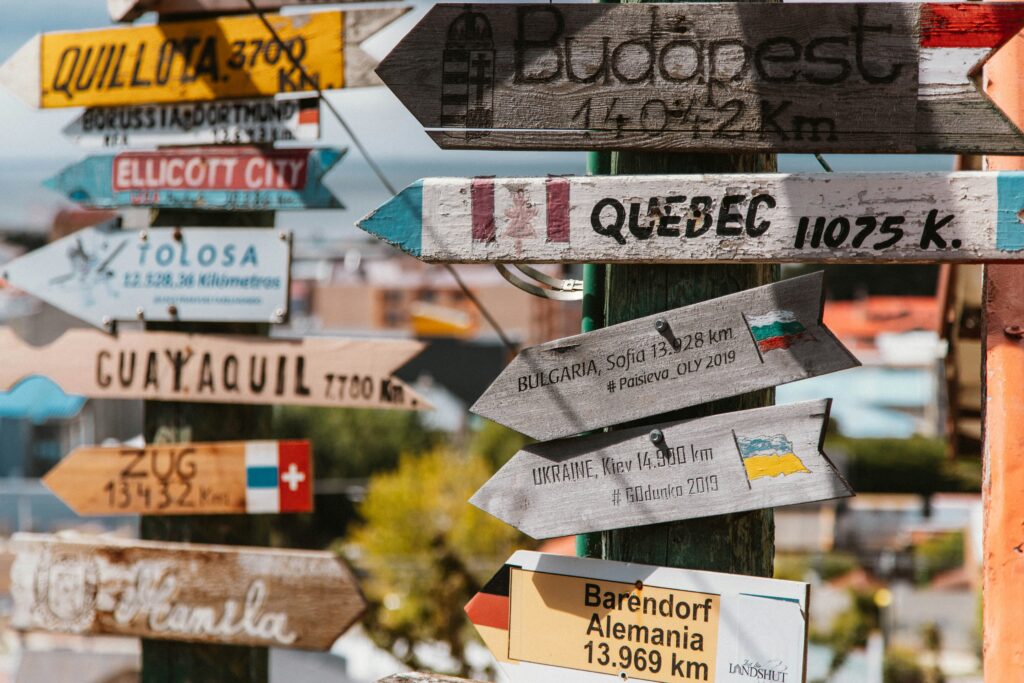
Tip 1: Learn Basic Local Phrases
Even just “hello,” “thank you,” and “how much?” in the local language can break barriers and show respect. Locals appreciate the effort—even if your pronunciation isn’t perfect.
- Apps like Duolingo make learning fun.
- Keep a pocket phrasebook or offline translation app handy.
Tip #2: Use Public Transportation
Skip taxis when possible and try buses, trams, or metro systems. You’ll save money, observe local routines, and see neighborhoods tourists often miss.
- In Tokyo, ride the subway during morning rush to glimpse daily life.
- In Istanbul, take a ferry across the Bosporus with commuters.
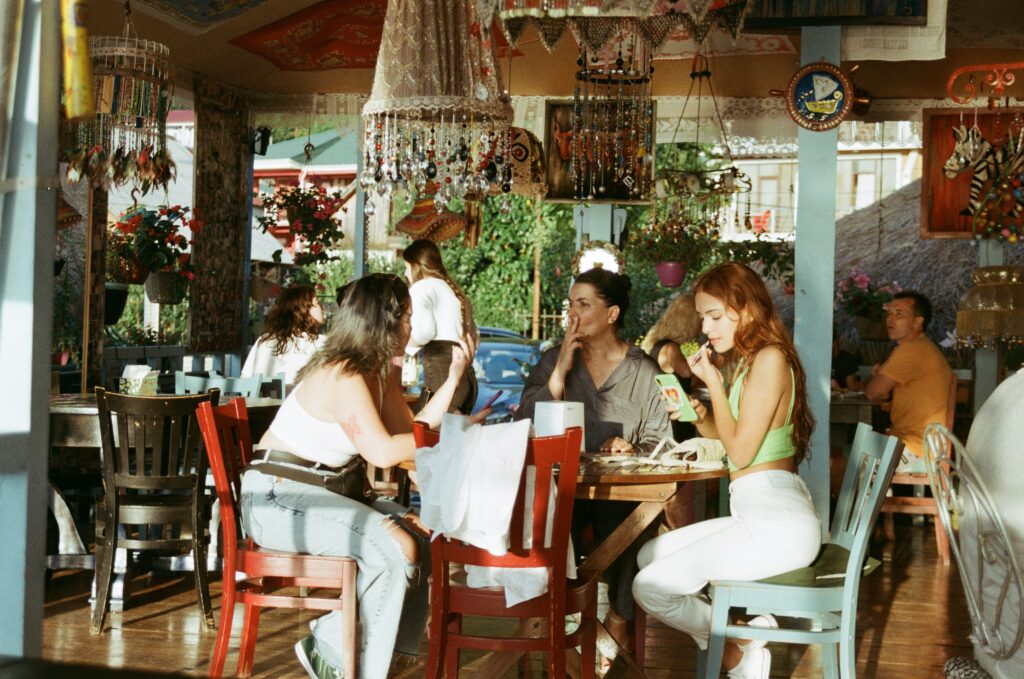
Tip 3: Stay in Local Neighborhoods
Instead of only downtown hotels, explore guesthouses, family-run inns, or Airbnb apartments in residential areas. You’ll experience authentic morning routines—local cafés, bakeries, and markets.
- Example: In Barcelona, staying in Gràcia feels more authentic than the tourist-heavy Gothic Quarter.
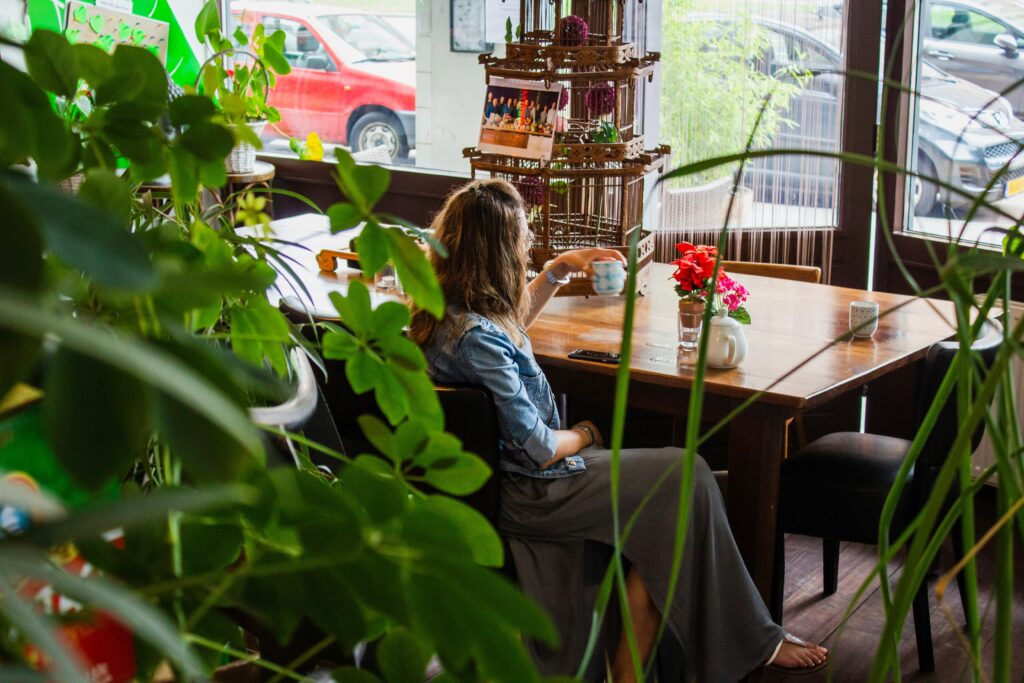
Tip 4: Eat Where the Locals Eat
Skip the restaurants with English-only menus and flashing “Tourist Menu” signs. Instead:
- Ask locals for recommendations.
- Visit street food stalls, small eateries, and local bakeries.
- Join a food tour run by locals—it’s both educational and delicious.
Pro tip: Look for busy spots filled with locals, not just fellow tourists.
Tip 5: Explore Markets and Festivals
Markets reveal what people actually eat, wear, and value. Festivals show how locals celebrate culture and traditions.
- Visit Marrakech’s souks for spices and crafts.
- Attend a village festival in Italy for folk music and regional dishes.
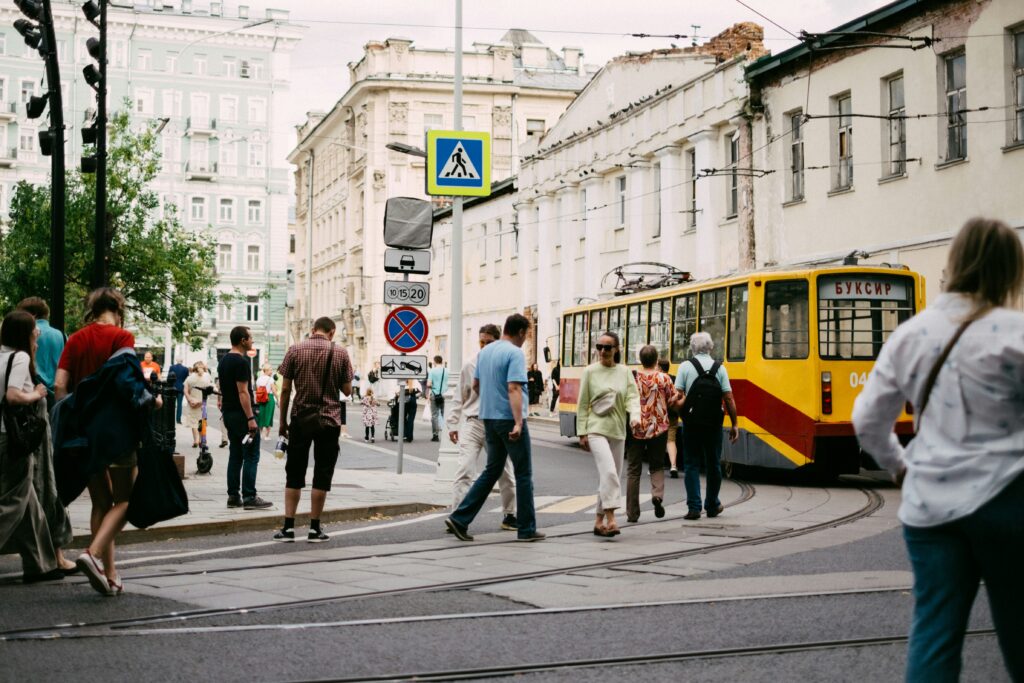
Tip 6: Walk or Bike the City
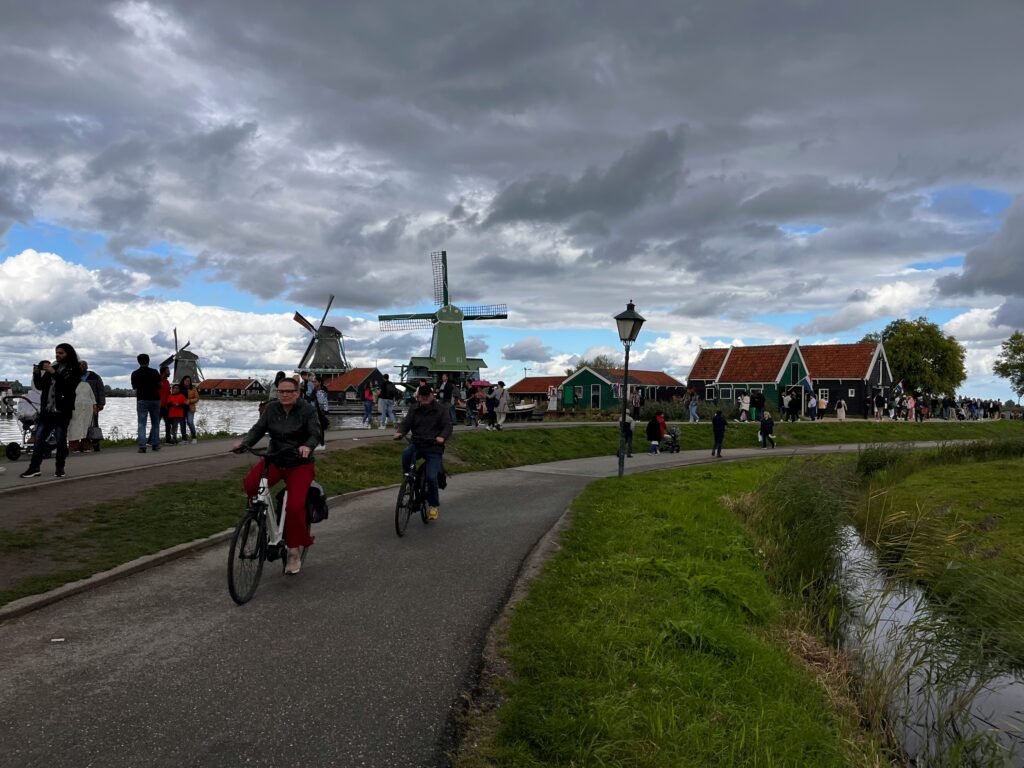
Walking or biking helps you notice details you’d miss in a car—murals, hidden shops, or friendly chats with shopkeepers. Many cities offer affordable bike-sharing programs.
- Example: Amsterdam’s bike culture offers the perfect way to see the city like a local.

Tip 7: Adjust Your Schedule
Many cultures operate differently from your own. Respect and embrace these rhythms:
- Spain: Late dinners around 9–10 p.m.
- Italy: Afternoon riposo (nap/siesta time).
- Japan: Respect quietness on trains and punctuality.
Fitting into local rhythms helps you connect more naturally.
Tip 8: Shop Local, Support Local
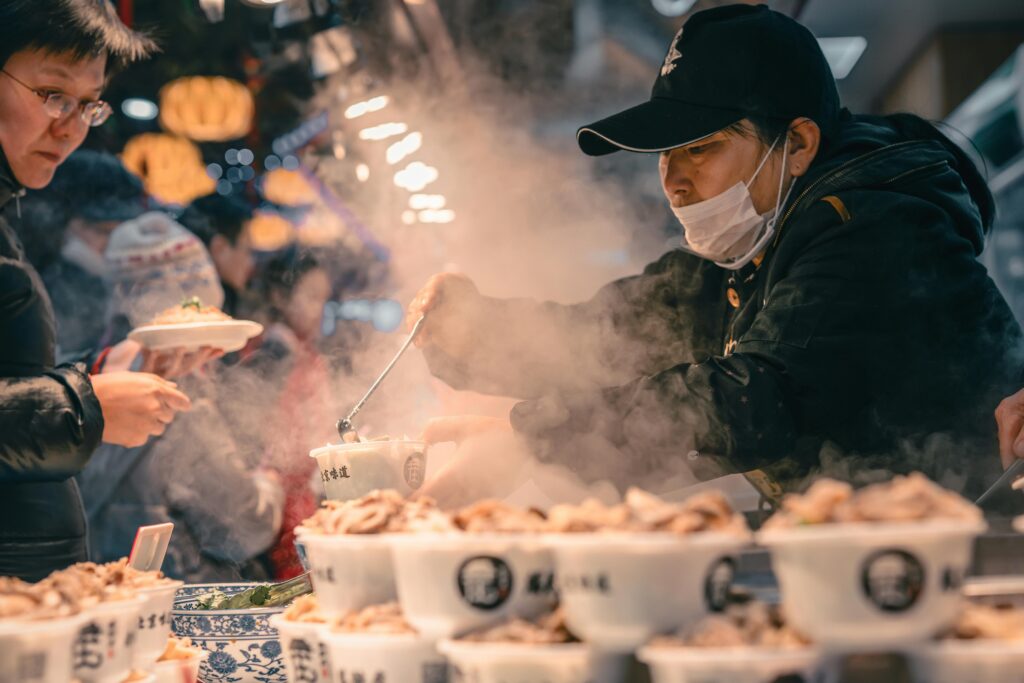
Instead of chain stores, shop at independent boutiques, craft shops, or farmers’ markets. Not only will you find unique souvenirs, but you’ll also support the local economy.
Pro tip: Look for handmade items that carry cultural significance.
Tip 9: Join Community Activities
Check community boards, social media groups, or Airbnb Experiences to find local events. It might be a cooking class, a pottery workshop, or a community hike.
- Example: Join a Thai cooking class in Chiang Mai or a tango lesson in Buenos Aires.
Pair with our Food & Culture: A Culinary Journey Through Mediterranean Flavors.
Tip 10: Slow Down and Stay Curious
The biggest mistake travelers make is rushing. To travel like a local, slow down.
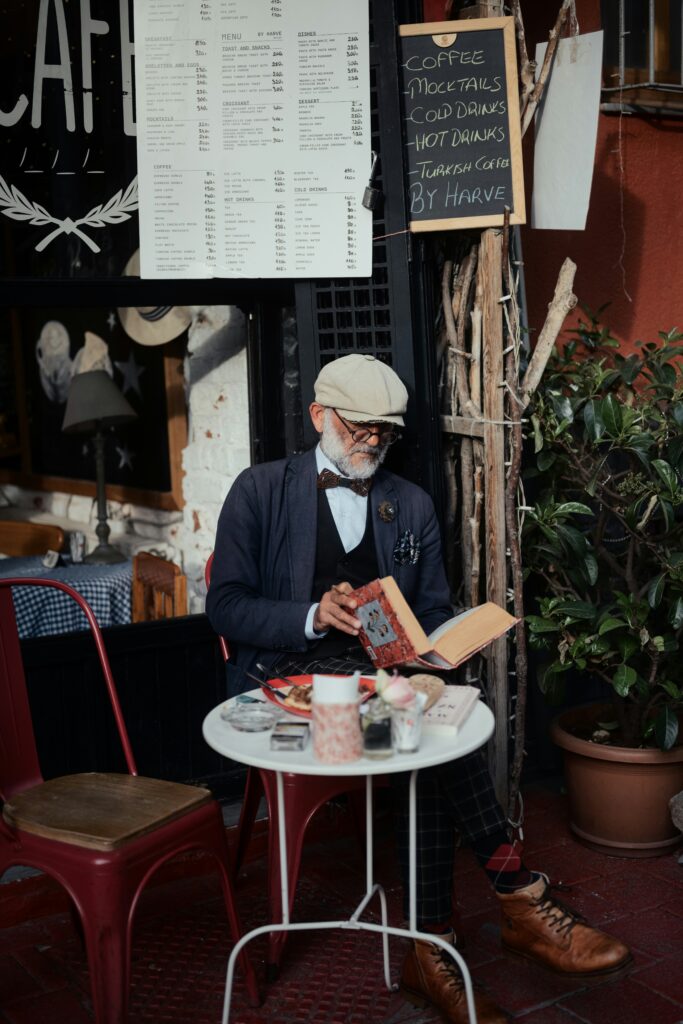
- Spend an afternoon in a café just people-watching.
- Chat with a shop owner about daily life.
- Take time to notice small cultural differences.
Authenticity isn’t in the guidebooks—it’s in moments of curiosity and openness.
Conclusion: Travel Beyond the Surface
Traveling like a local isn’t about avoiding famous sights—it’s about going beyond them. By learning phrases, eating local food, adjusting to cultural rhythms, and engaging with people, you’ll find yourself building memories that feel genuine and lasting.
When you return home, you won’t just remember landmarks—you’ll remember stories, smiles, and experiences that made you feel part of a community.