Introduction: The Beating Heart of Nature
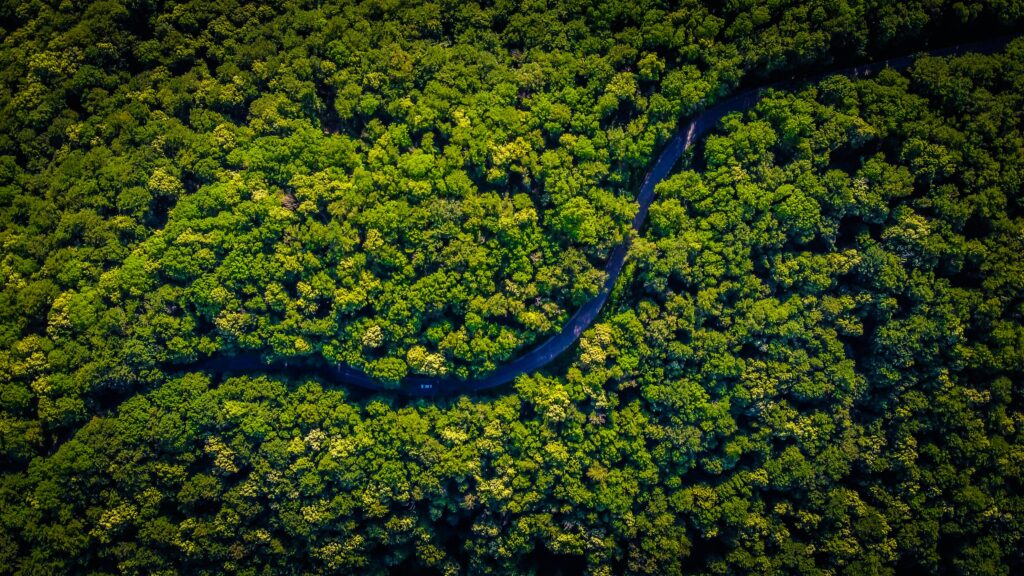
The Amazon Rainforest is often called the “Lungs of the Earth” because it produces 20% of the world’s oxygen. Spanning nine countries and covering over 5.5 million square kilometers, it is the largest rainforest on Earth. At its core lies Brazil, home to nearly 60% of the Amazon, where dense jungle, winding rivers, and vibrant cultures thrive.
To visit the Amazon is to witness nature’s raw power, humanity’s ancient roots, and one of the most important ecosystems on the planet.
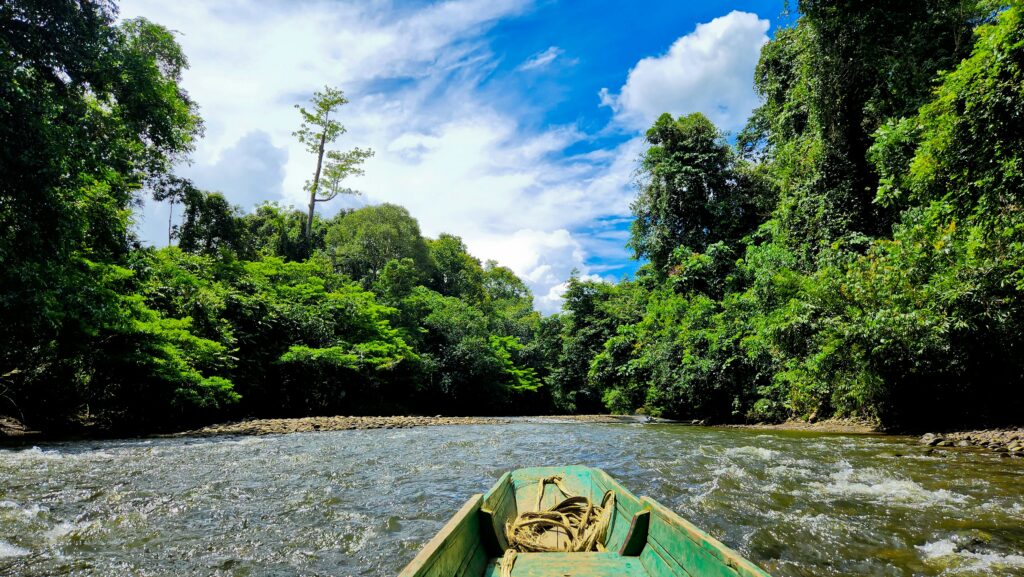
The Amazon River: A Mighty Lifeline
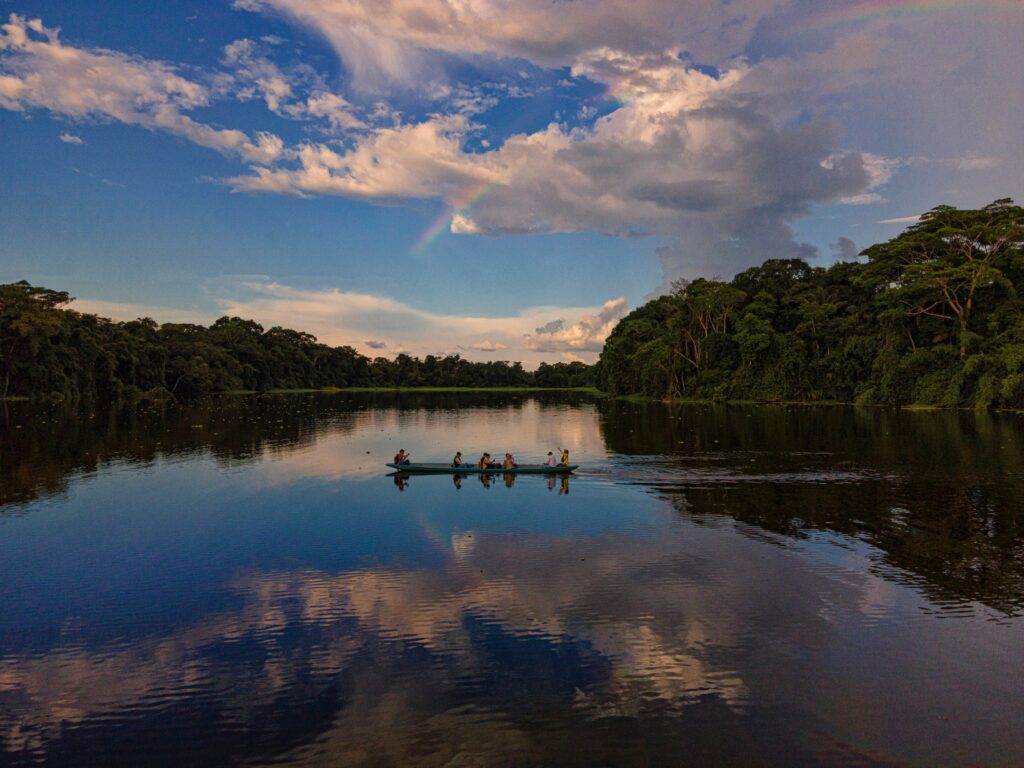
At over 6,400 kilometers, the Amazon River is the second longest in the world, yet the largest by water volume.
- Biodiversity: Home to pink river dolphins, giant otters, and piranhas.
- Riverside Villages: Communities rely on fishing, transport, and farming.
- Manaus: The main gateway city, where the Rio Negro and Solimões Rivers meet in the “Meeting of Waters” phenomenon.
The river is not just water—it’s the artery that sustains millions of lives, both human and animal.
Biodiversity: Nature’s Greatest Laboratory
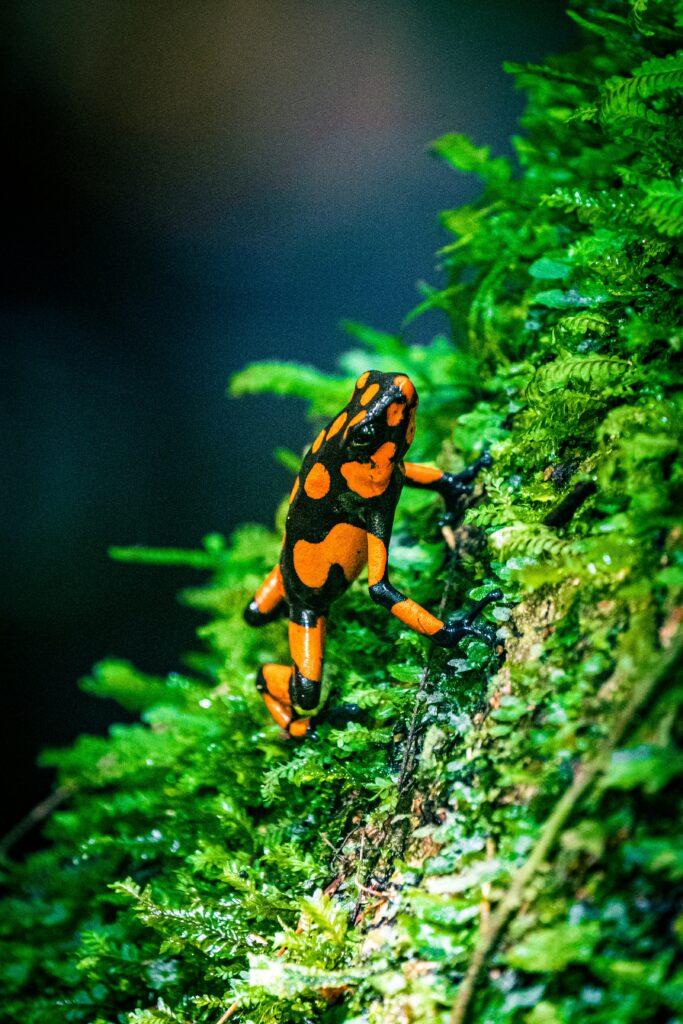
The Amazon is the most biodiverse region on Earth.
- Plants: Over 40,000 plant species, many with medicinal properties still being studied.
- Animals: Jaguars, sloths, macaws, anacondas, and over 400 species of amphibians.
- Insects: Millions of species, many undiscovered.
Scientists call it “Nature’s Pharmacy,” as many modern medicines trace their origins here.
Indigenous Communities: Guardians of the Forest
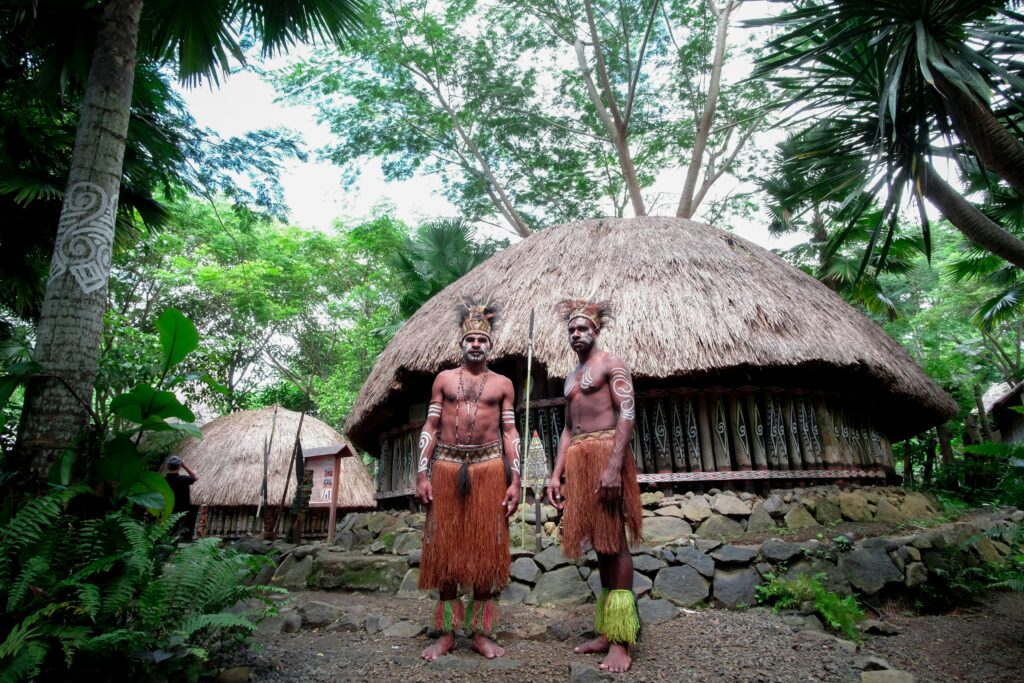
The Amazon is home to more than 400 Indigenous tribes, many of whom have lived here for thousands of years.
- Knowledge: Deep understanding of medicinal plants and forest cycles.
- Traditions: Songs, dances, and rituals passed through generations.
- Challenges: Deforestation and modernization threaten traditional ways of life.
Meeting Indigenous communities provides a perspective on coexistence with nature that the modern world often forgets.
Adventure and Ecotourism
The Amazon offers thrilling ways to experience the forest.
- Jungle Treks: Guided walks reveal plants, insects, and nocturnal wildlife.
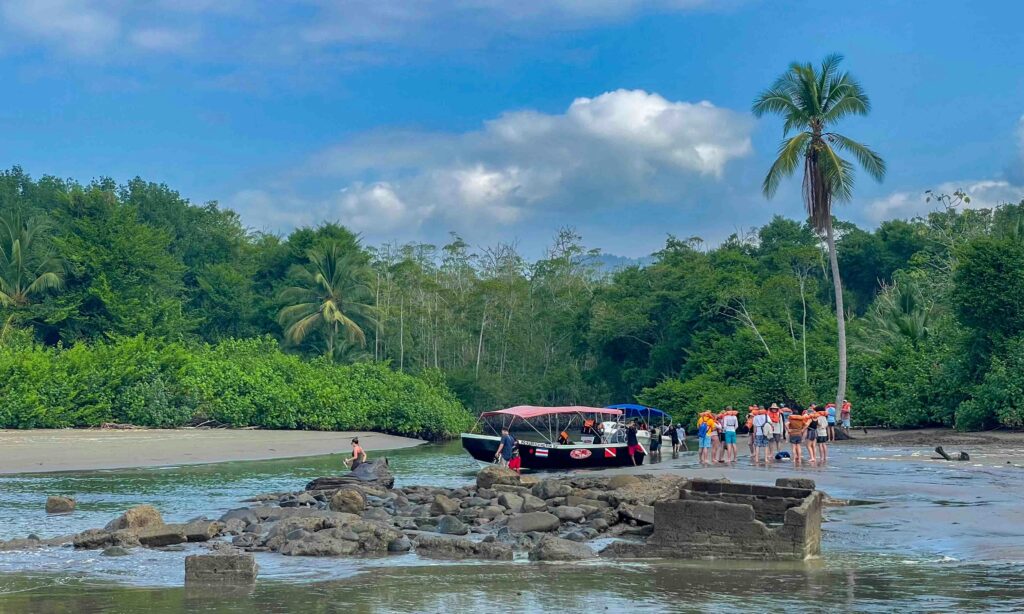
- River Cruises: From luxury boats to traditional canoes, these journeys reveal life along the river.
- Wildlife Watching: Spot monkeys, toucans, or caimans on night safaris.
- Canopy Tours: Walkways high in the trees give a bird’s-eye view of the rainforest.
Ecotourism here isn’t just adventure—it’s a way to support conservation and local livelihoods.
Threats and Conservation
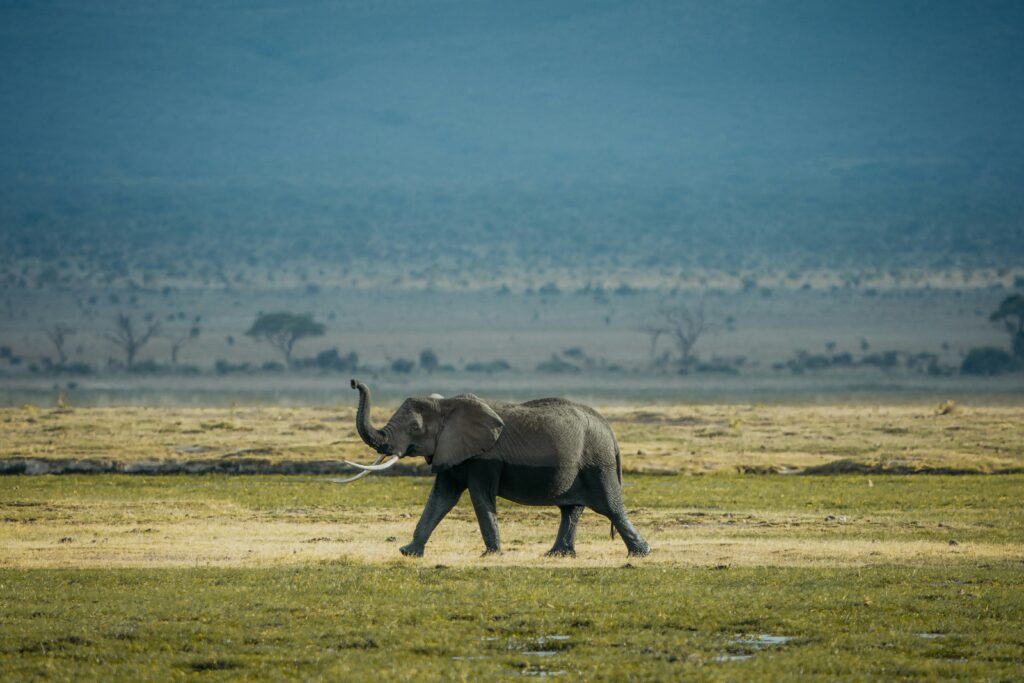
Despite its majesty, the Amazon faces severe challenges.
- Deforestation: Driven by agriculture, logging, and mining.
- Climate Change: Altering rainfall patterns, threatening the ecosystem.
- Fires: Human-made and natural, devastating large areas.
Conservation efforts include national parks, Indigenous land rights, and international agreements. Protecting the Amazon is not just Brazil’s responsibility—it’s a global imperative.
Daily Life Along the Amazon
Life here is shaped by the river and forest.
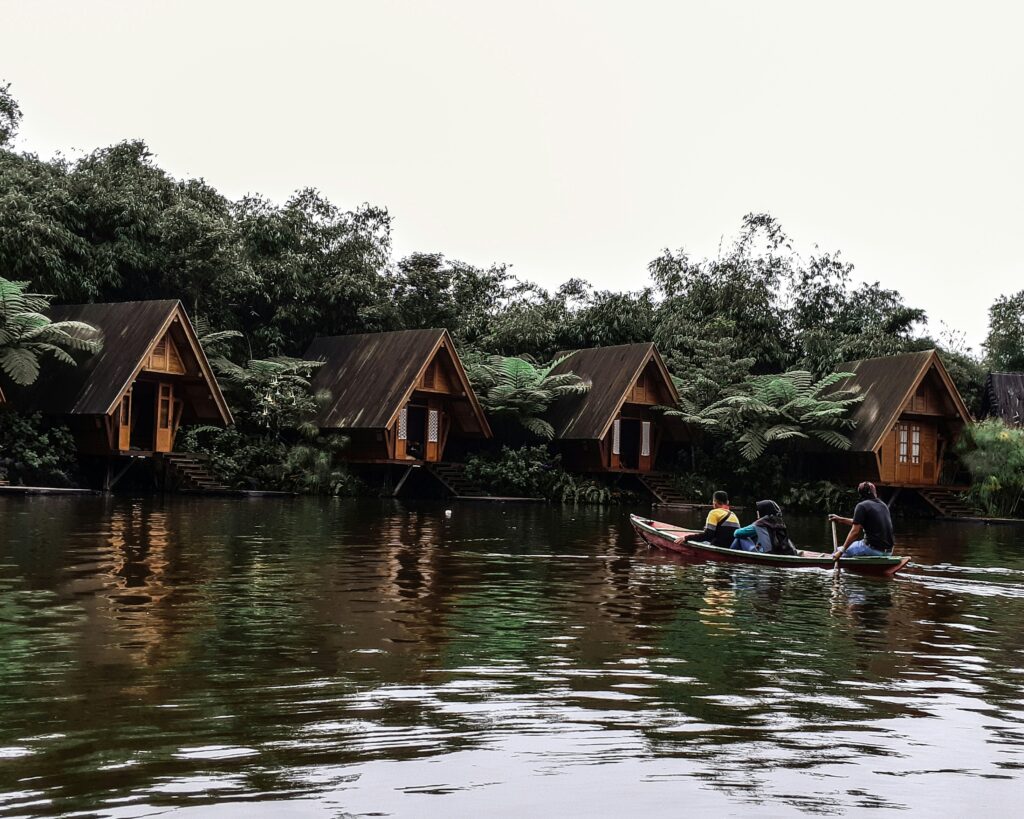
- Floating Houses: Common in flood-prone areas.
- Markets: Manaus and Belém host bustling markets selling fish, fruits, and crafts.
- Cuisine: Dishes like tacacá (shrimp soup) and açaí bowls reflect the forest’s bounty.
For locals, the Amazon is not exotic—it is home, livelihood, and culture.
Walking through historic cities often reveals how the past quietly blends into modern routines, similar to the experience of Rome, Italy — The Eternal City’s Living History.
Practical Tips for Visiting the Amazon
- Best Time to Visit:
- Flood Season (December–May): High rivers, canoe access to flooded forests.
- Dry Season (June–November): Easier trekking, more wildlife spotting.
- Health: Yellow fever vaccination recommended; mosquito repellent essential.
- Guides: Always travel with experienced local guides.
- Packing: Lightweight clothing, rain gear, binoculars, and waterproof bags.
Pair with our Ultimate Packing Guide for more travel essentials.
Conclusion: The Lungs That Sustain Us All
The Amazon is more than a destination—it is the foundation of Earth’s climate, biodiversity, and cultural diversity. Visiting offers awe-inspiring experiences, but it also comes with responsibility: to respect, to protect, and to support those who call it home.
To stand under its canopy is to feel life at its purest. The Amazon is not just Brazil’s treasure—it is the planet’s.