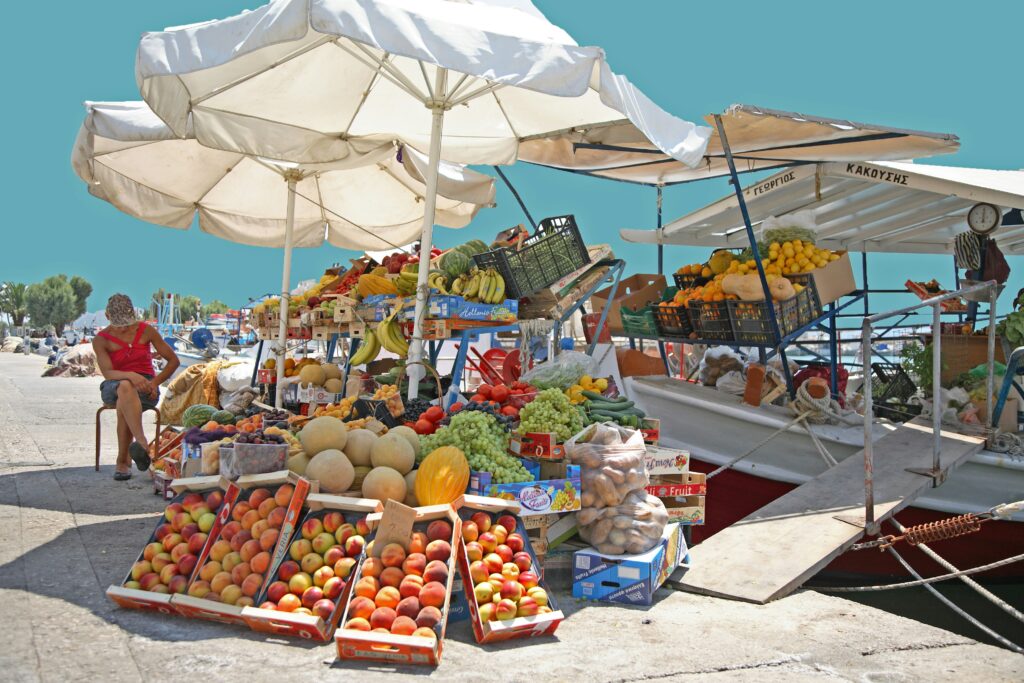
Introduction: Why the Mediterranean Captivates Food Lovers
The Mediterranean region is more than just a geographic area—it is a lifestyle, a philosophy, and a culinary treasure trove. Stretching from Spain and Italy to Greece, Turkey, and the coasts of North Africa, this region has inspired countless chefs and nourished generations with dishes that embody freshness, balance, and joy.
In this article, we’ll take you on a flavorful journey through the Mediterranean, exploring its most iconic dishes, the cultural context behind them, and tips on where to savor these delights during your travels.
The Core of Mediterranean Cuisine
Mediterranean food is not about complex techniques—it’s about simplicity and harmony. The main ingredients include:
- Olive oil – The liquid gold of the region, used for cooking, dressing, and drizzling.
- Fresh vegetables – Tomatoes, eggplants, zucchini, peppers, and leafy greens dominate.
- Herbs and spices – Oregano, rosemary, basil, cumin, saffron, and mint add character.
- Seafood and lean meats – Fish, lamb, and chicken are staples, often grilled or roasted.
- Grains and legumes – Couscous, bulgur, chickpeas, and lentils provide substance.
This simple yet powerful foundation creates dishes that feel light yet deeply satisfying.
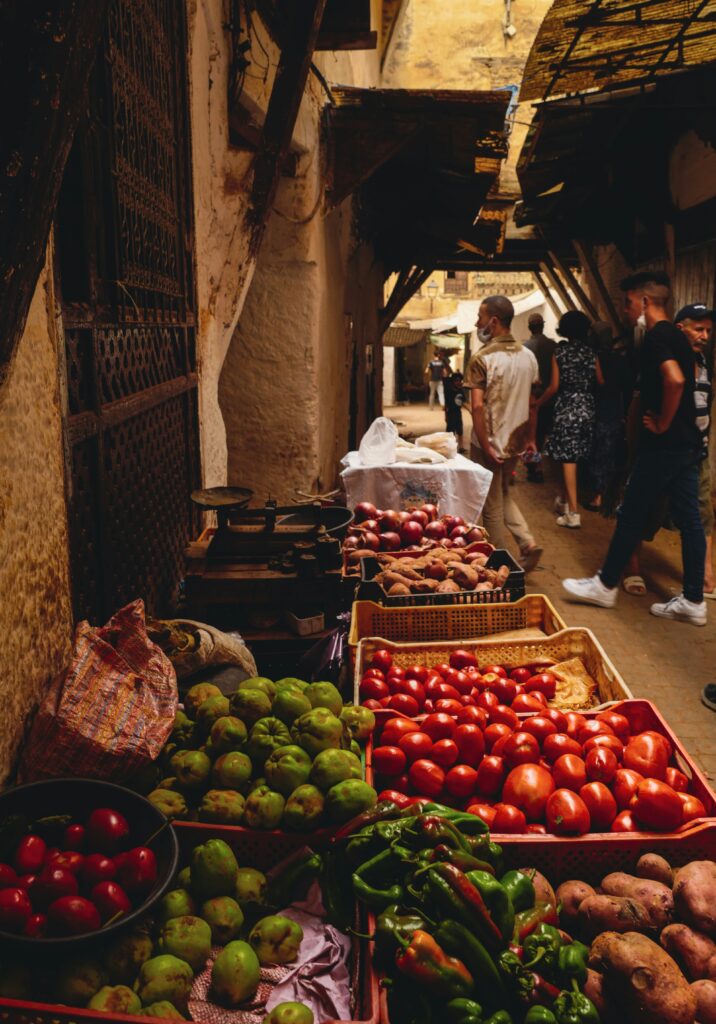
Spanish Tapas: Small Bites, Big Flavors
Spain’s culinary contribution to the Mediterranean is undeniable. Tapas—small, shareable plates—allow diners to experience a wide range of flavors in one sitting. Popular options include:
- Patatas Bravas – Crispy potatoes topped with spicy tomato sauce and aioli.
- Gambas al Ajillo – Shrimp sautéed with garlic and chili in olive oil.
- Jamón Ibérico – A melt-in-the-mouth cured ham that is a national treasure.
If you’re visiting Barcelona, be sure to explore our Barcelona Foodie Guide and plan a tapas crawl that pairs perfectly with a glass of Rioja wine. For more background on tapas culture, see our Exploring Spanish Tapas.
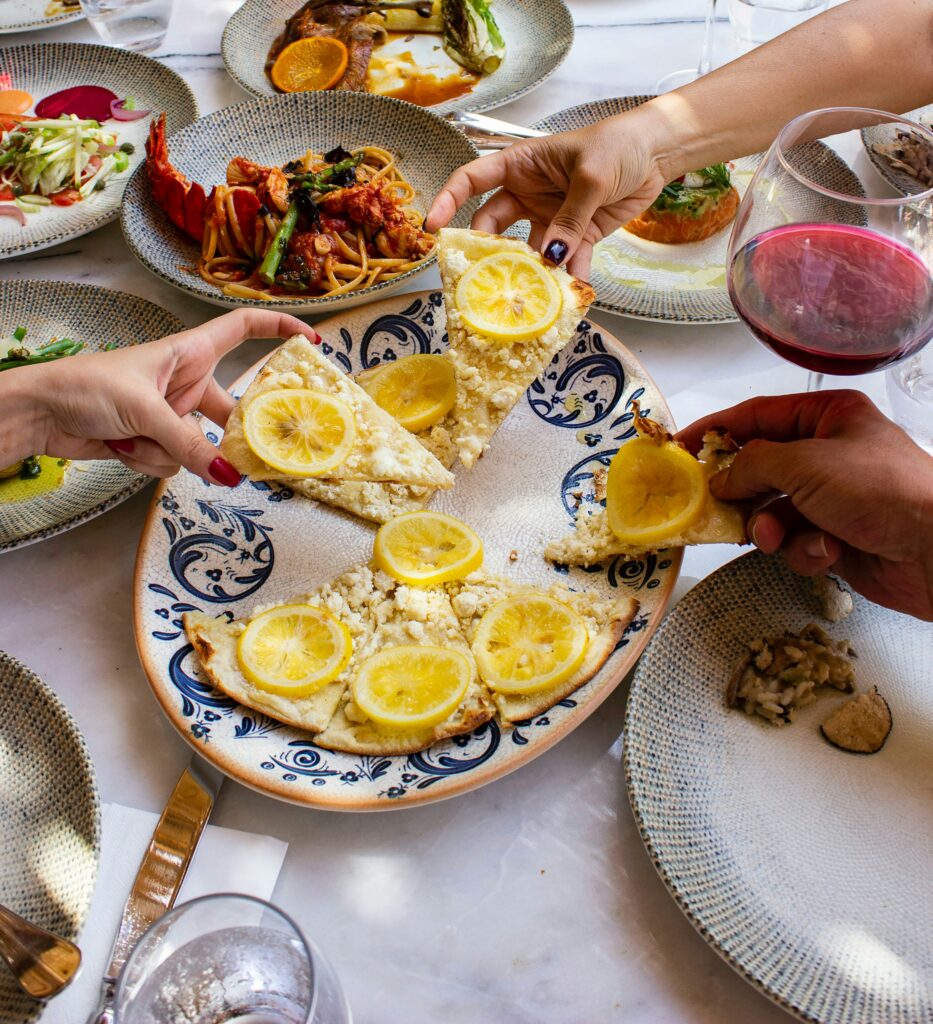
Italy: Where Pasta, Pizza, and Passion Collide
Italian cuisine is perhaps the most globally beloved, but nothing compares to enjoying it in its homeland. Every region brings its own specialties:
- Naples – The birthplace of pizza, with wood-fired Margherita as the classic.
- Bologna – Known for rich ragù sauces, especially Tagliatelle al Ragù.
- Sicily – Offers arancini (stuffed rice balls) and cannoli for dessert.
A key feature of Italian dining is the slow food movement, which encourages savoring meals, supporting local producers, and respecting culinary traditions.
Greece: A Taste of Mythology on the Plate
Greek cuisine is a celebration of freshness and balance. It embodies the country’s sun-soaked culture and mythical heritage. Must-try dishes include:
- Moussaka – A layered casserole with eggplant, minced lamb, and béchamel sauce.
- Souvlaki – Grilled meat skewers, often wrapped in pita with fresh vegetables.
- Greek Salad – Crisp cucumbers, tomatoes, feta cheese, and olives dressed with olive oil.
For travelers, our Traditional Greek Cuisine article dives deeper, while our Greek Island Hopping Guide helps you pair food with breathtaking destinations.
Turkey and the Eastern Mediterranean
Crossing into the Eastern Mediterranean, Turkish cuisine offers robust flavors influenced by Ottoman traditions. Key highlights include:
- Meze Platters – Similar to tapas, offering small dishes like hummus, stuffed grape leaves, and eggplant spreads.
- Kebabs – Charcoal-grilled skewers with lamb, chicken, or vegetables.
- Baklava – A sweet pastry layered with nuts and honey, enjoyed with strong Turkish coffee.
Visiting Istanbul allows you to experience the fusion of East and West through food markets and street vendors—check out our Istanbul Bazaars & Cuisine guide.
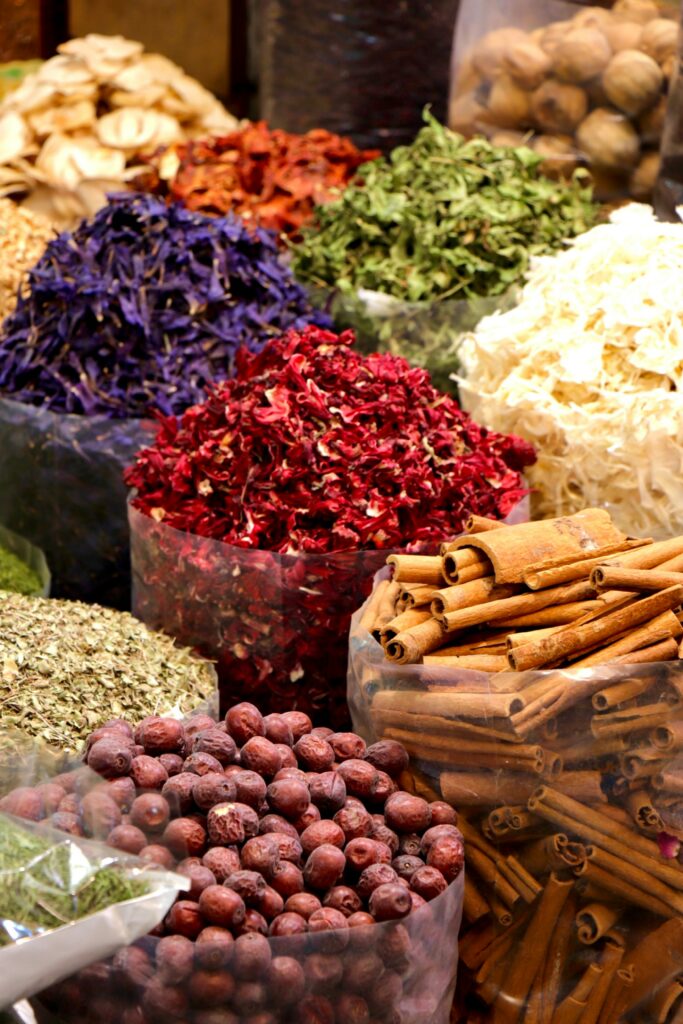
North Africa: Couscous and Spice Markets
The southern Mediterranean offers flavors full of spices and warmth. Morocco, Tunisia, and Algeria have cuisines shaped by Berber, Arab, and French influences. Signature dishes include:
- Couscous – A staple grain served with stewed meats and vegetables.
- Tagine – Slow-cooked stew in clay pots with lamb, apricots, and spices.
- Harira Soup – A hearty soup with chickpeas, lentils, and tomatoes.
Wandering through spice markets in Marrakech immerses you in aromas of cumin, cinnamon, and saffron. Learn more in our Morocco Travel Guide and follow the Marrakech Spice Route article for a full sensory experience.
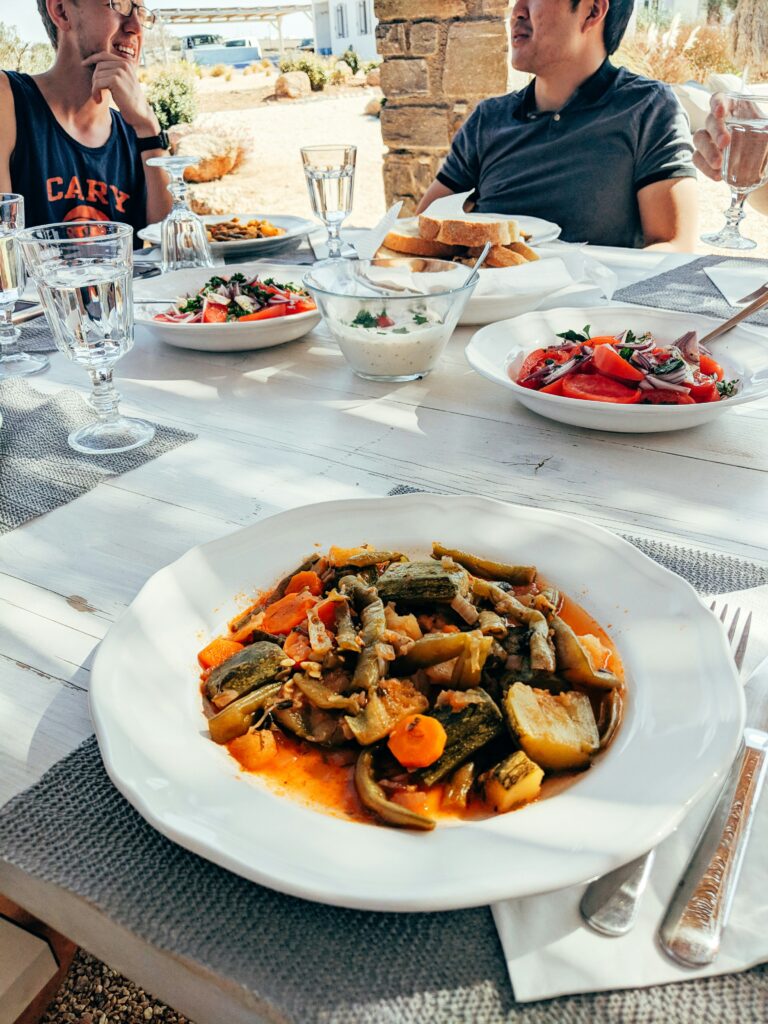
Mediterranean Street Food: Affordable and Authentic
One of the best ways to connect with local culture is through street food. Some must-try items include:
- Italy: Gelato stands serving fresh flavors from pistachio to lemon.
- Greece: Gyros wrapped in pita with tzatziki sauce.
- Spain: Churros dipped in thick hot chocolate.
- Turkey: Simit (sesame bread rings) sold by street vendors.
Want to explore more? See our Street Food Around the World guide for global comparisons.
Wine and Olive Oil: Liquid Treasures of the Region
The Mediterranean is home to some of the world’s most celebrated wines and olive oils. Regions like Tuscany (Italy), Rioja (Spain), and Santorini (Greece) produce bottles that reflect their unique terroir.
If you’re planning a wine trip, check our Top European Wine Regions overview to find the best vineyards to visit.
Tips for Travelers Exploring Mediterranean Cuisine
- Eat local – Visit family-run restaurants instead of chains.
- Learn food etiquette – For example, in Greece it’s common to share dishes.
- Take cooking classes – Many cities offer hands-on workshops.
- Shop at local markets – It’s the best way to taste fresh ingredients.
- Pair food with culture – Explore historical sites alongside culinary adventures.
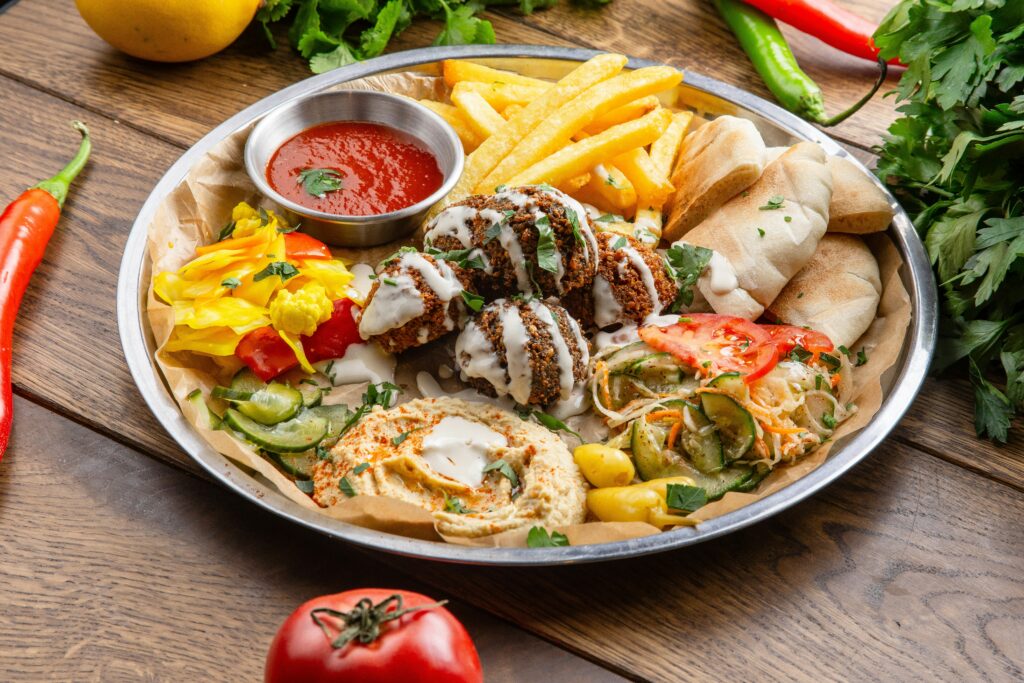
Conclusion: More Than Just Food, It’s a Way of Life
The Mediterranean is a living table where food and culture merge seamlessly. Each dish tells a story of history, community, and celebration. Whether it’s savoring tapas in Spain, pizza in Italy, or couscous in Morocco, every bite is an invitation to embrace the Mediterranean way of life.
So, next time you travel to this sun-kissed region, remember: you’re not just tasting food—you’re tasting centuries of tradition, health, and joy.



Comments
Alright, so I stumbled upon 881bet through 881bet777. Looks like a decent spot to place some bets. Wish me luck! Check it out yourselves: 881bet
Alright, I’m giving comebet a shot. Heard some buzz about it. Wish me luck! Hoping for some good vibes and maybe a win or two!
Just stumbled upon demoslots. Gotta love trying before buying. I’m gonna test the waters first before diving in headfirst. Smart move, right?