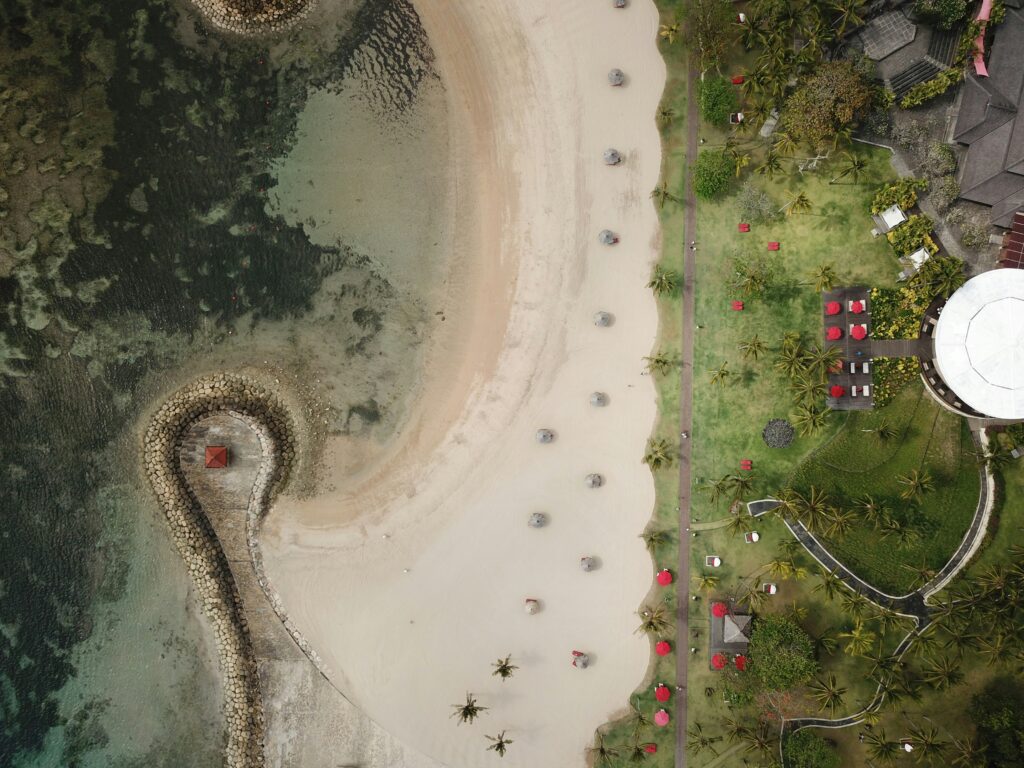
The Earth is more than a map of borders and oceans—it is a living mosaic of landscapes, cultures, and civilizations. From desert sands to snow-capped peaks, from bustling metropolises to remote villages, our world is a tapestry woven from geography, history, and human spirit.
To explore the world is to discover not only places, but also ourselves: our origins, our diversity, and our shared future.

Geography: Landscapes that Shape Life
The diversity of Earth’s geography is staggering.
- Mountains: The Himalayas tower as guardians between nations, while the Andes stretch like a backbone across South America.
- Rivers: The Nile, Amazon, and Yangtze are lifelines that birthed civilizations.
- Deserts: From the Sahara to the Gobi, they are both harsh and beautiful.
- Oceans: Covering 70% of the planet, they connect continents and influence climate.
These landscapes shape the cultures, economies, and daily rhythms of those who inhabit them.
Pair with our Amazon — The Lungs of the Earth article for an in-depth look at Earth’s greatest rainforest.
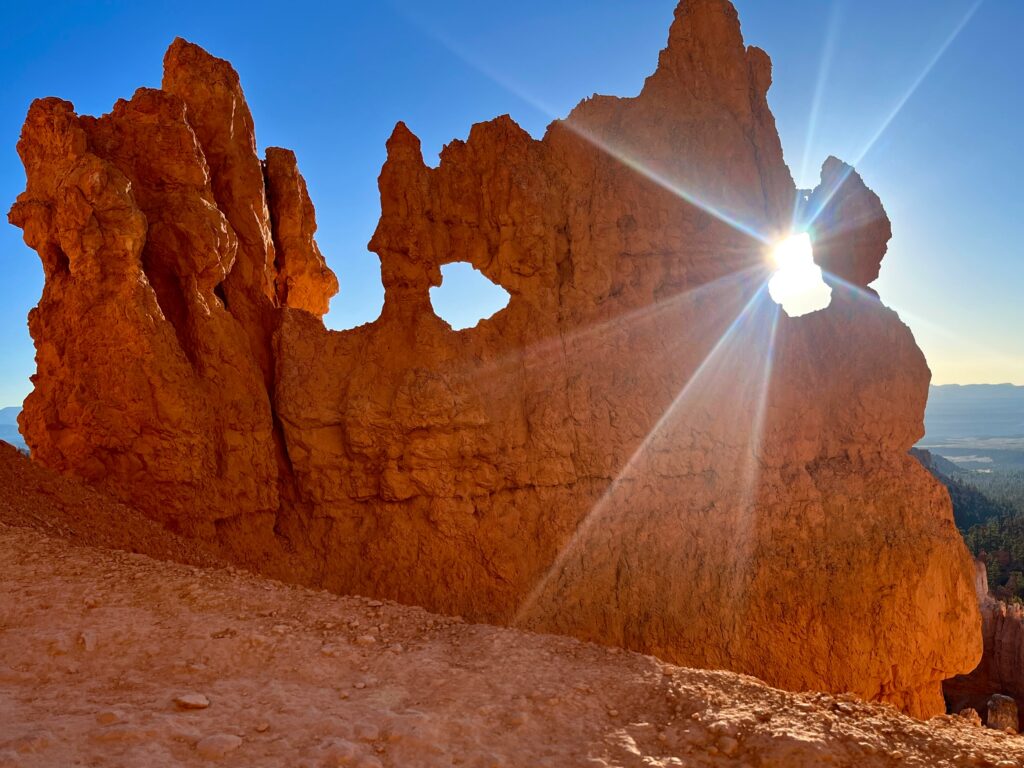
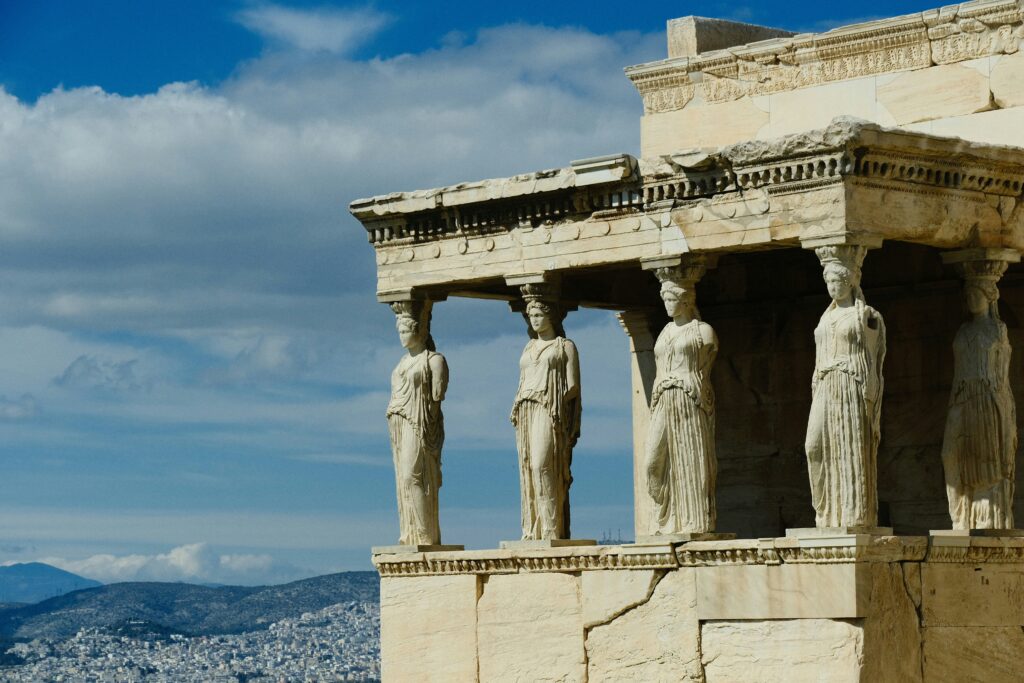
History: Civilizations Written in Stone
Every corner of the world tells a story of human endeavor.
- Ancient Wonders: The pyramids of Egypt, Petra in Jordan, and Machu Picchu in Peru remind us of civilizations’ ingenuity.
- Trade Routes: The Silk Road and maritime networks spread ideas, religions, and goods across continents.
- Colonial Encounters: Cities like Havana and Istanbul carry layered legacies of empires.
- Modern Transformations: New York, Tokyo, and Dubai showcase humanity’s drive toward progress and reinvention.
History is not confined to museums—it lives in streets, monuments, and cultural traditions.
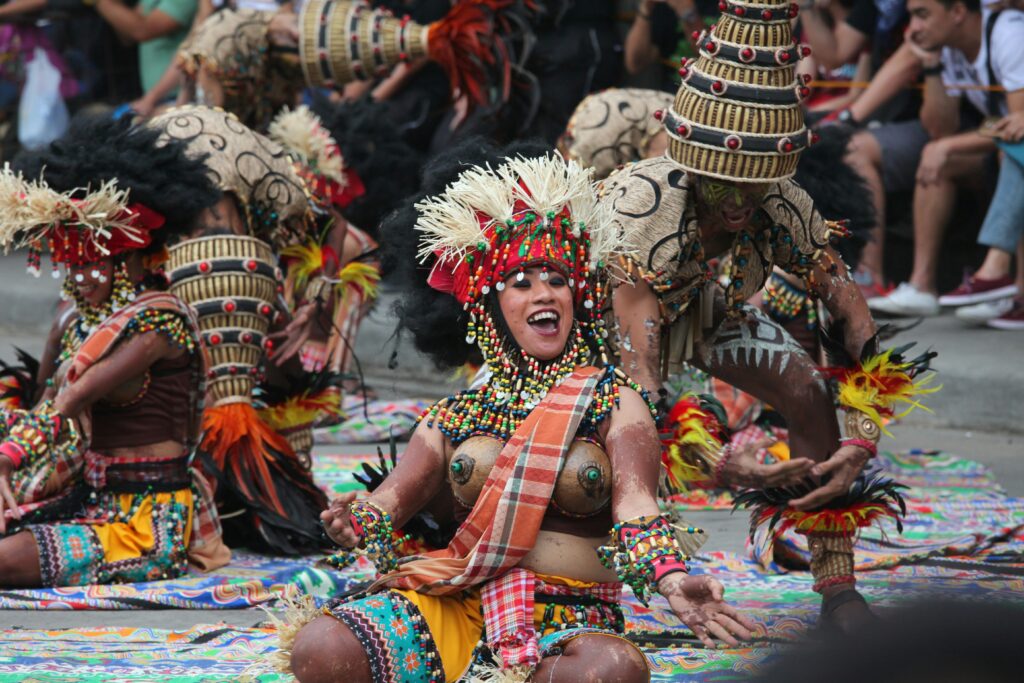
Culture: A Tapestry of Traditions
Human culture is as diverse as the landscapes we inhabit.
- Languages: Over 7,000 spoken worldwide, each carrying stories of identity.
- Art & Music: From samba in Rio to opera in Sydney, creative expression transcends borders.
- Food: Curry in India, sushi in Japan, tapas in Spain—cuisine is a universal language of hospitality.
- Festivals: Diwali, Carnival, Ramadan, Lunar New Year—celebrations unite communities in joy.
Culture is the bridge that connects us, showing both uniqueness and universality.
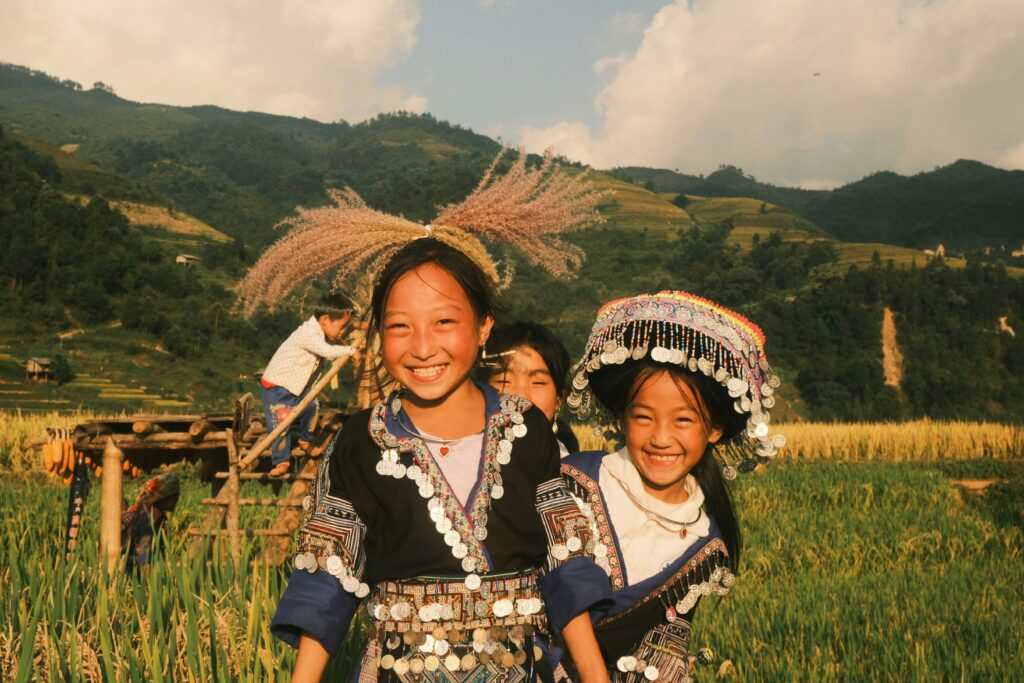
Society and People: The Human Journey
Beyond monuments and landscapes, the world is defined by its people.
- Cities: Urban centers like Cairo, Paris, and New York pulse with innovation and energy.
- Villages: Remote communities in the Andes or Himalayas preserve ancient ways of life.
- Indigenous Wisdom: From the Amazon to Australia, Indigenous peoples hold keys to sustainable living.
- Globalization: Migration and technology connect societies more than ever before, blending traditions.
Exploring society means understanding resilience, creativity, and the ongoing human journey.
Civilization and Modern Challenges
Civilization has brought both wonders and challenges.
- Innovation: Technology, medicine, and science have transformed our world.
- Global Issues: Climate change, inequality, and cultural preservation remain pressing.
- Resilience: From rebuilding after wars to adapting to pandemics, humanity persists.
- Hope: Shared initiatives—conservation, education, and diplomacy—point toward collective solutions.
To explore the world today is to confront both beauty and responsibility.
Cultural identity often becomes clearer when viewed through specific places, such as Kyoto’s quiet neighborhoods shaped by tradition and routine .
Conclusion: A World of Wonder, A Shared Home
Our planet is vast, yet intimately connected. From ancient ruins to modern skylines, from tribal rituals to global festivals, from glaciers to coral reefs—the world is a stage of endless stories.
To travel is not only to see, but to learn, to feel, and to grow. It is a reminder that while cultures may differ, humanity shares a common heartbeat.
Exploring the world is not just about destinations—it is about recognizing Earth as our shared home, a place of beauty, diversity, and boundless wonder.

Comments
rjh63p