Introduction: A City Carved from Stone
Hidden in the rugged mountains of southern Jordan lies Petra, the legendary “Rose-Red City, half as old as time.” Once the capital of the Nabataean Kingdom, Petra was a thriving trading hub linking Arabia, Egypt, and the Mediterranean. Forgotten for centuries and rediscovered in 1812 by Swiss explorer Johann Ludwig Burckhardt, Petra is now a UNESCO World Heritage Site and one of the New Seven Wonders of the World.
To step into Petra is to journey back in time—to a city literally carved into stone, where grandeur and mystery linger in every canyon and façade.
The Siq: A Dramatic Entrance
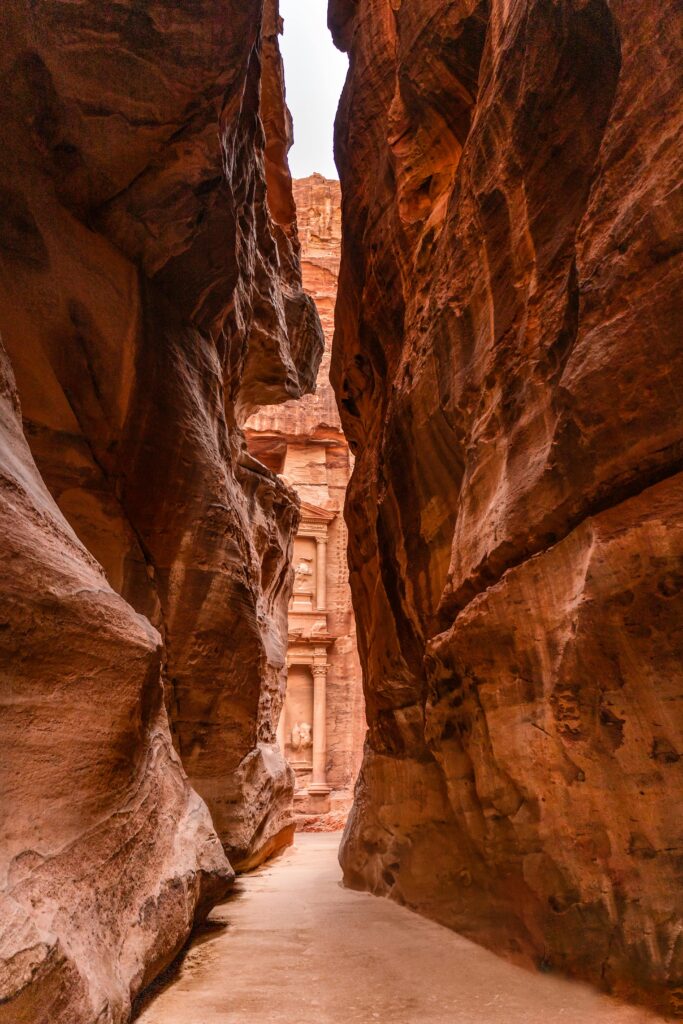
Your Petra journey begins at The Siq, a narrow gorge stretching nearly a kilometer, with cliffs towering up to 80 meters high.
- Natural Wonder: Formed by tectonic forces, the Siq is both a geological and cultural marvel.
- Carved Details: Along the walls, you’ll find ancient niches, carvings, and remnants of water channels that once brought life to the desert city.
- The Reveal: The Siq ends with a breathtaking first glimpse of the Treasury—Petra’s most famous monument.
Walking the Siq feels like stepping through a natural time tunnel into another world.
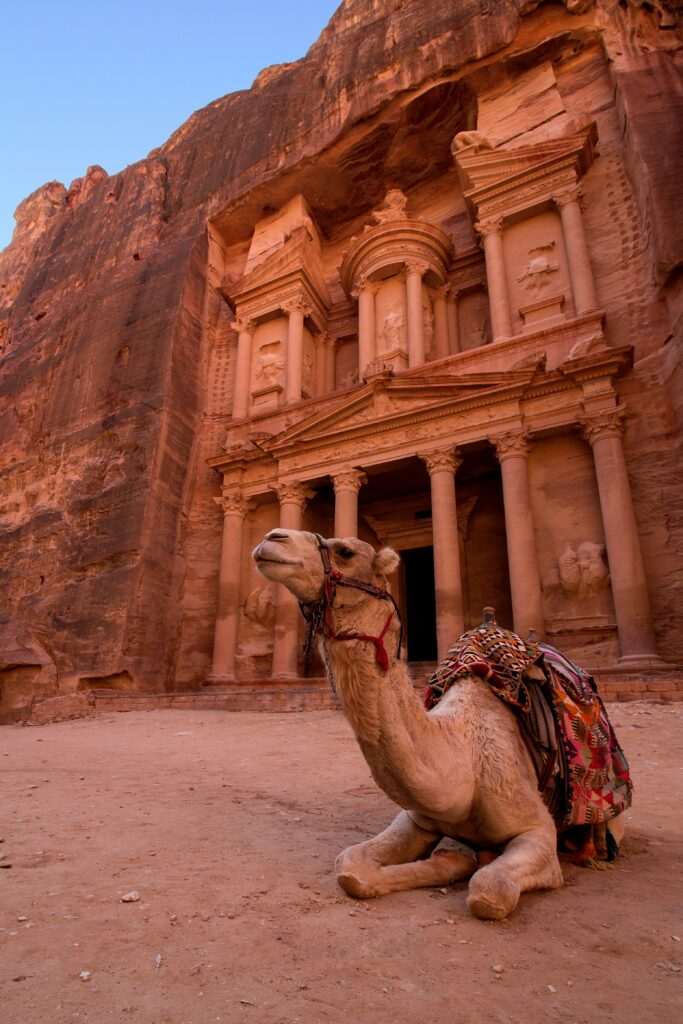
The Treasury (Al-Khazneh): Petra’s Icon
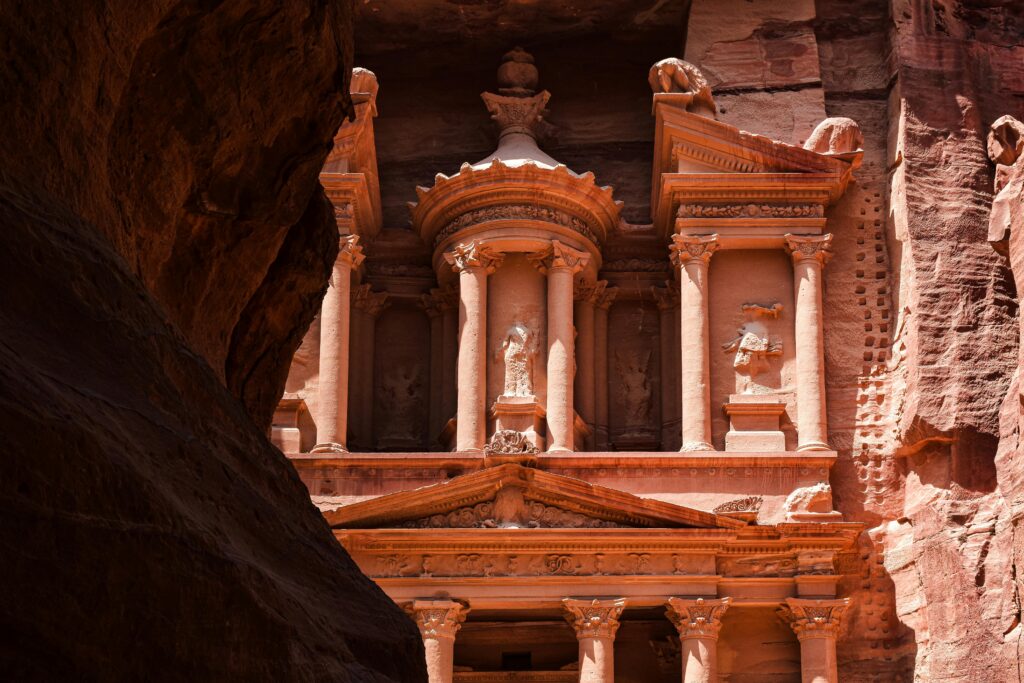
The Treasury is Petra’s most iconic structure, instantly recognizable for its ornate façade.
- Function: Once thought to hold hidden treasure, scholars now believe it was likely a royal tomb or temple.
- Design: Carved directly into sandstone cliffs, its Greco-Roman influence reflects Petra’s role as a cultural crossroads.
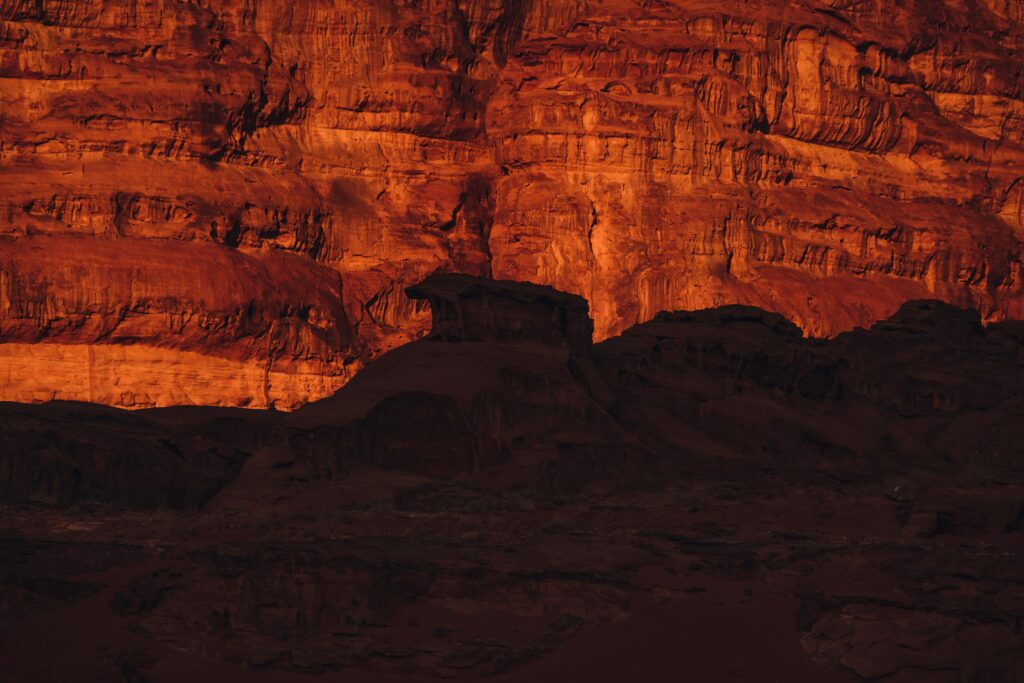
- Light Play: Visit at sunrise or sunset when the façade glows rose-gold, giving Petra its “Rose City” nickname.
The Treasury is only the beginning—Petra is far more than one monument.
Beyond the Treasury: A Vast Hidden City
Petra spans over 260 square kilometers, filled with hundreds of archaeological wonders.
- The Street of Facades: Tombs carved into cliff walls, lined up like an ancient boulevard.
- The Royal Tombs: Monumental structures such as the Urn Tomb and Silk Tomb, where Nabataean kings were buried.
- The Great Temple: Once a vast ceremonial complex showcasing Nabataean architectural ingenuity.
- Colonnaded Street: The heart of Petra’s civic life, flanked by columns and marketplaces.
Exploring Petra reveals a city far larger and more complex than most visitors expect.
The Monastery (Ad-Deir): Petra’s Mountain Gem
For those willing to hike nearly 800 steps up a mountainside, Petra rewards you with the Monastery (Ad-Deir).
- Scale: Larger than the Treasury, with a simpler but equally majestic façade.
- Purpose: Likely used for religious ceremonies and later repurposed as a Christian monastery.
- Viewpoints: From here, you can see sweeping vistas of Petra’s surrounding valleys and deserts.
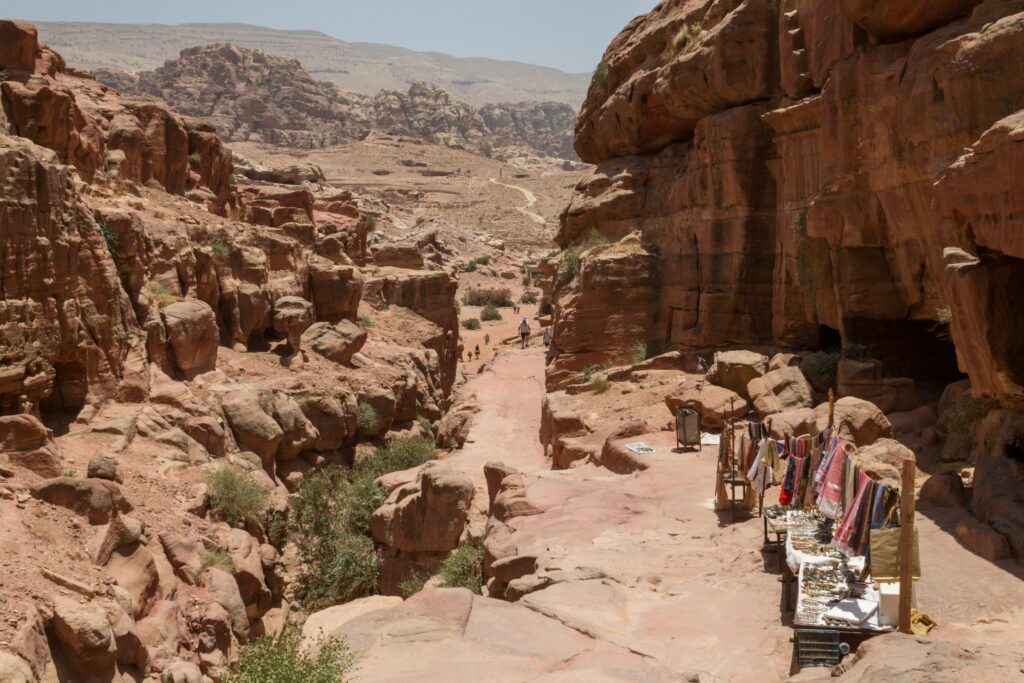
The climb itself is part of the experience—lined with donkeys, vendors, and dramatic landscapes.
Nabataean Ingenuity: Masters of Water
Petra’s survival in a desert environment was possible thanks to the Nabataeans’ sophisticated water systems.
- Canals & Cisterns: Collected seasonal rainfall and stored it for dry months.
- Dams: Protected the city from flash floods.
- Agriculture: Enabled Petra to thrive not only as a trade hub but also as a settlement.
Their mastery of water engineering remains one of Petra’s greatest legacies.
Culture and Trade: Crossroads of Civilizations
Petra was more than architecture—it was a vibrant crossroads where cultures met.
- Trade Hub: Linked the Silk Road, spice routes, and Arabian Peninsula.
- Cultural Blend: Nabataean art fused Arabian, Egyptian, Hellenistic, and Roman styles.
- Languages: Inscriptions reveal a society fluent in multiple tongues, reflecting cosmopolitan life.
This cultural fusion makes Petra not only visually stunning but also historically invaluable.
Modern Petra: Bedouins and Heritage
Today, Petra is not just ruins—it is also home to local Bedouin communities who have lived in and around the site for centuries.
- Bedouin Hospitality: Visitors often encounter locals offering tea, souvenirs, or guided tours.
- Traditional Music: Echoes of Bedouin songs and ouds add to the mystical atmosphere.
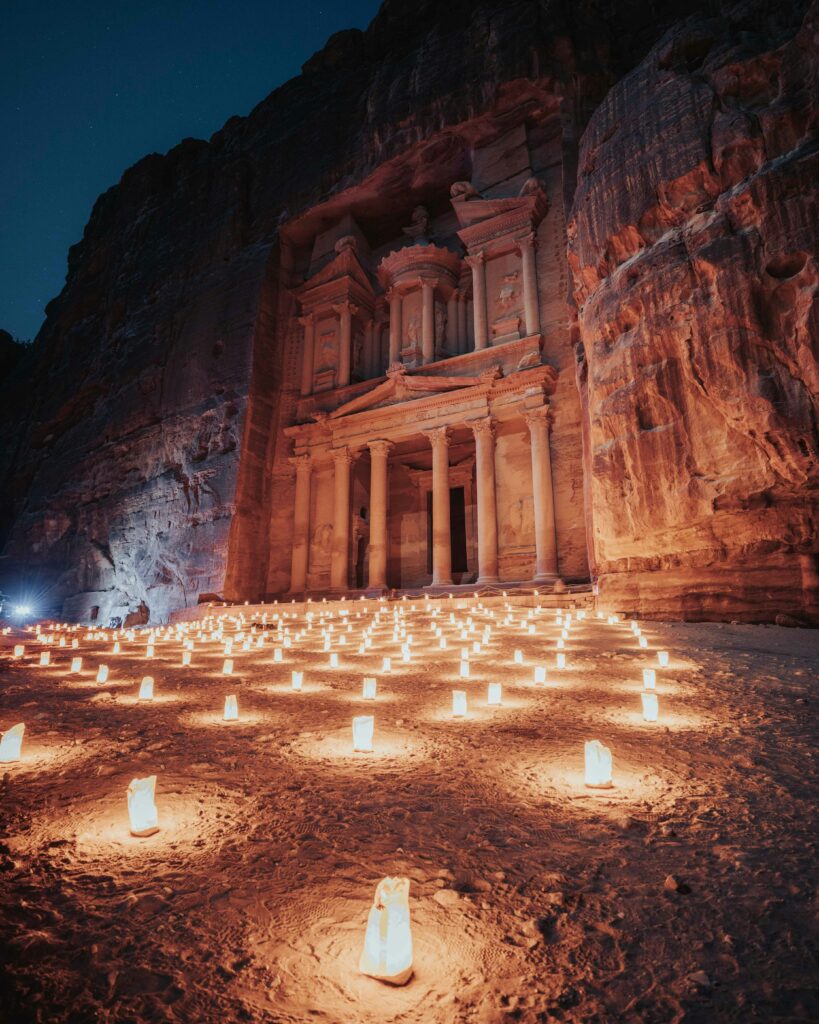
- Petra by Night: Thousands of candles light up the Siq and the Treasury for an unforgettable evening experience.
Petra’s living culture ensures its story continues into the present.
Geography often influences cultural diversity, a connection also seen in Sydney’s relationship with the Pacific and global movement.
Practical Tips for Visiting Petra
- Best Time to Visit: Spring (March–May) and autumn (September–November). Summers are extremely hot.
- Tickets: A one-day ticket costs around 50 JD (~70 USD); multi-day passes are recommended.
- Getting Around: Wear sturdy shoes—distances are long and terrain is rocky.
- Stay Nearby: The town of Wadi Musa offers hotels and guesthouses.
- Allow Time: Petra deserves at least two days to fully appreciate its scale.
Conclusion: The Rose-Red Legacy
Petra is not just an archaeological site—it is a testament to human creativity, resilience, and cultural exchange. From its grand façades to its hidden tombs, from Nabataean water systems to modern Bedouin traditions, Petra embodies a civilization lost to time yet never forgotten.
Visiting Petra is more than sightseeing—it’s a pilgrimage into history, where every stone whispers a story, and every canyon opens into wonder.