Introduction: A City Between Continents
Few places in the world capture the imagination like Istanbul, a city that straddles both Europe and Asia. With the Bosphorus Strait cutting through its heart, Istanbul is where empires rose and fell, where religions converged, and where vibrant cultures continue to meet. To walk through Istanbul is to feel history, tradition, and modernity intertwining at every turn.
Hagia Sophia and the Legacy of Empires
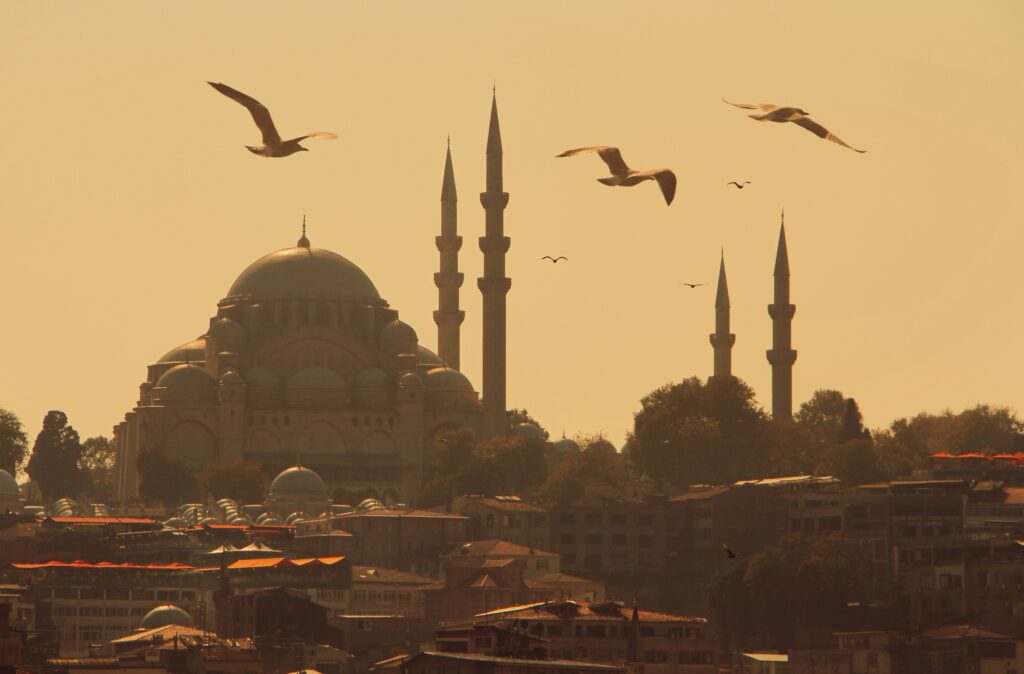
No landmark reflects Istanbul’s layered history more than Hagia Sophia.
- Built in the 6th century as a Byzantine cathedral, it became a mosque under the Ottomans and is today a functioning mosque again.
- Its massive dome, mosaics, and minarets symbolize the blending of Christian and Islamic traditions.
- Visiting Hagia Sophia is like walking through the story of two great empires—Byzantine and Ottoman.
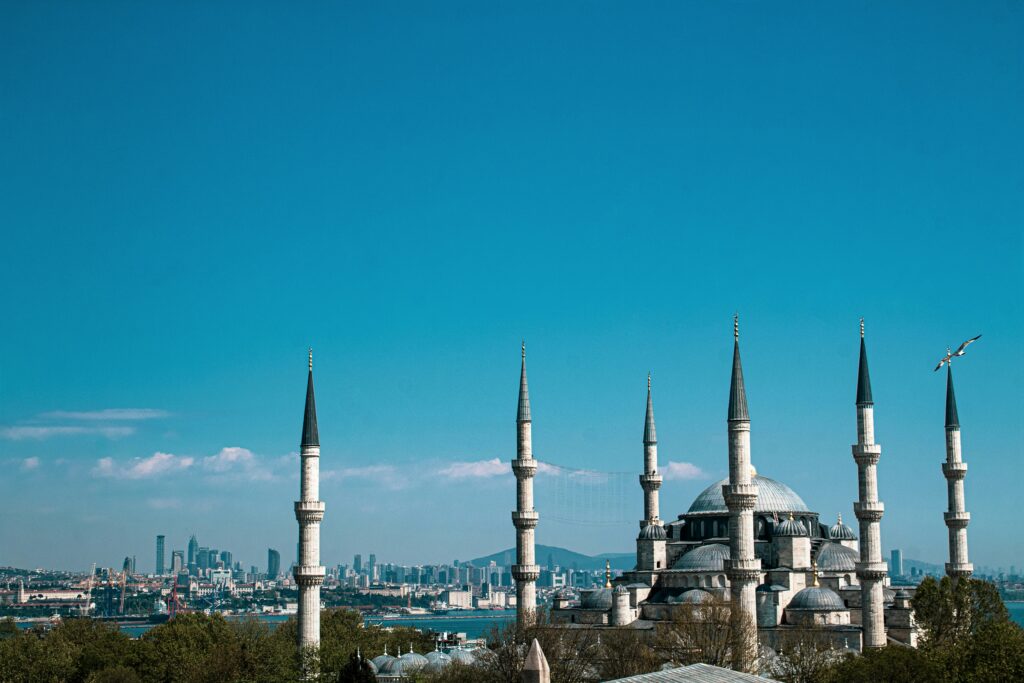
Nearby stands the Blue Mosque (Sultan Ahmed Mosque), with six slender minarets and an interior lined with 20,000 blue tiles. Together, they form Istanbul’s most iconic skyline.
Cities formed at crossroads often carry layered identities, similar to New York’s role as a meeting point of cultures .
The Bosphorus: Where Continents Meet
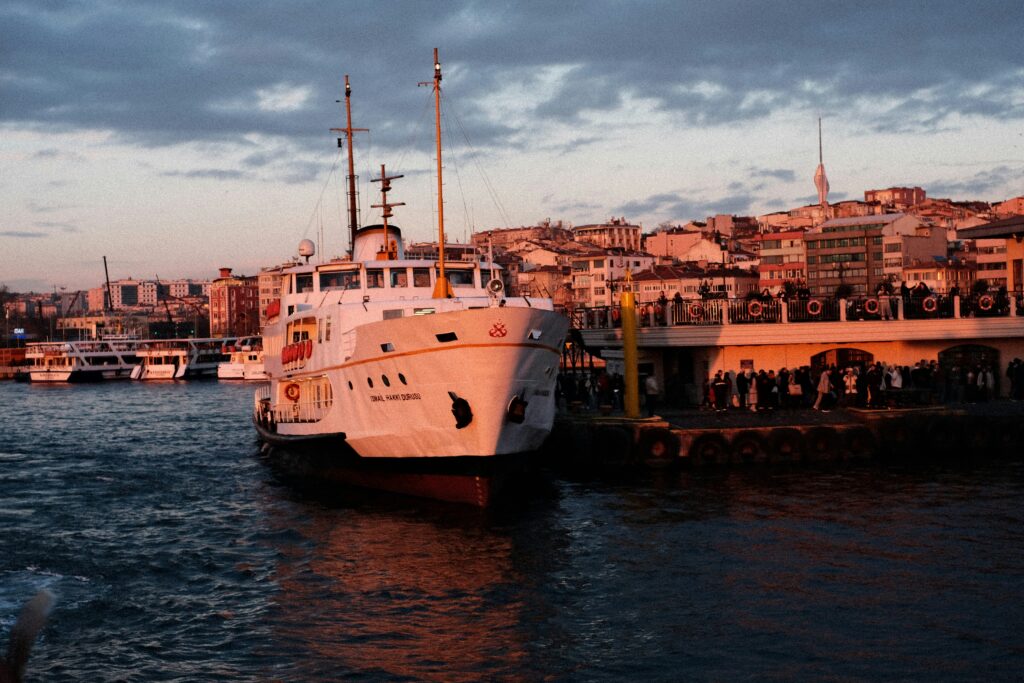
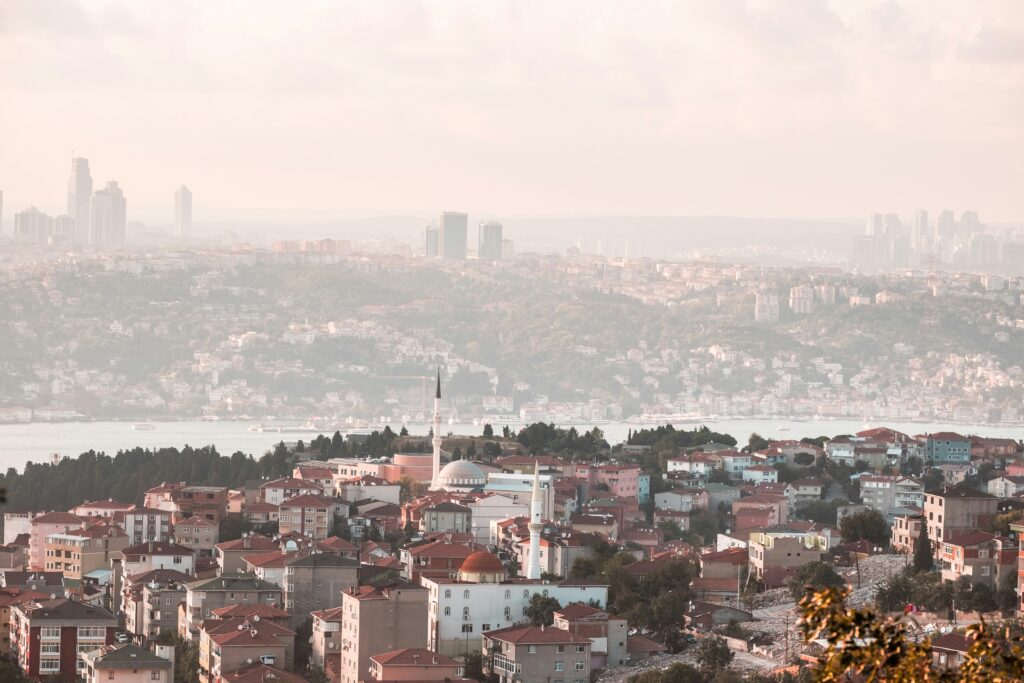
The Bosphorus Strait isn’t just a waterway—it’s a symbol of Istanbul’s dual identity.
- Ferry Rides: Cross between Europe and Asia in just 20 minutes.
- Bosphorus Cruises: Offer views of Ottoman palaces, fishing villages, and modern mansions.
- Bridges: Galata, Bosphorus, and Fatih Sultan Mehmet bridges light up at night, connecting continents in a dazzling display.
Standing on its shores, you can literally gaze from one continent to another—a rare experience only Istanbul provides.
Grand Bazaar and Spice Bazaar: Markets of the Ages
Istanbul has been a trading hub for centuries, and its markets remain legendary.
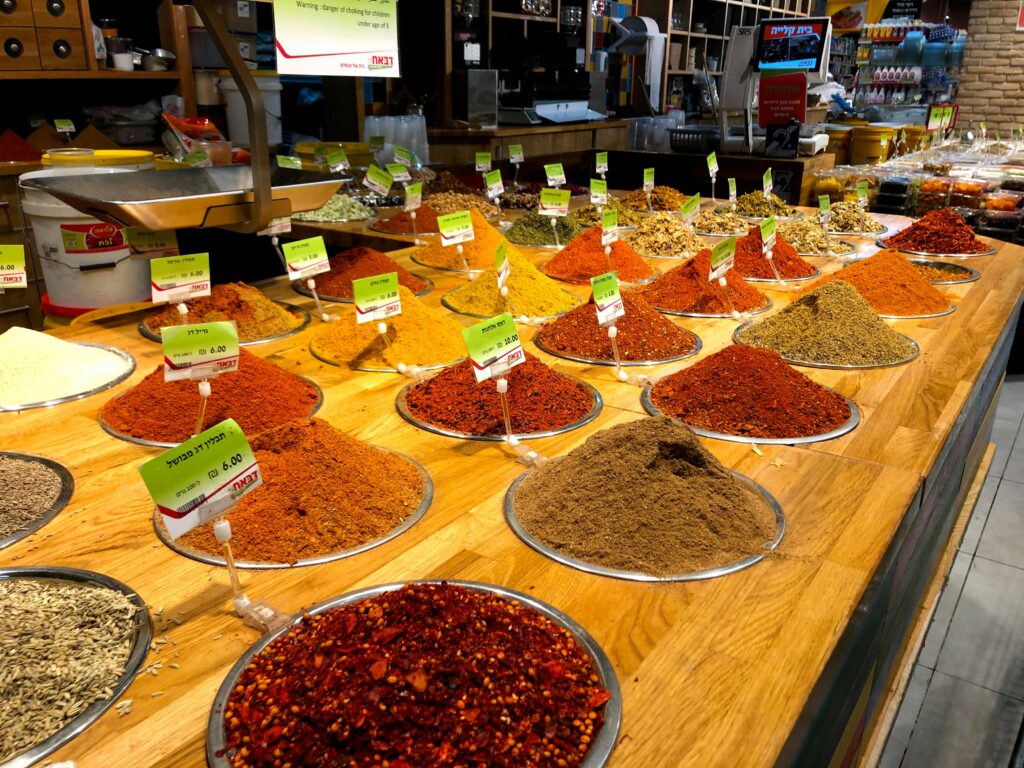
- Grand Bazaar: One of the world’s oldest and largest covered markets, with thousands of shops selling carpets, jewelry, ceramics, and souvenirs.
- Spice Bazaar (Egyptian Bazaar): Bursting with colorful spices, teas, and sweets like Turkish delight.
- Modern Twist: Today’s Istanbul also has hipster markets in Karaköy and designer boutiques in Nişantaşı.
These bazaars aren’t just shopping destinations—they’re windows into centuries of commerce and culture.
Palaces of Power: Ottoman Grandeur
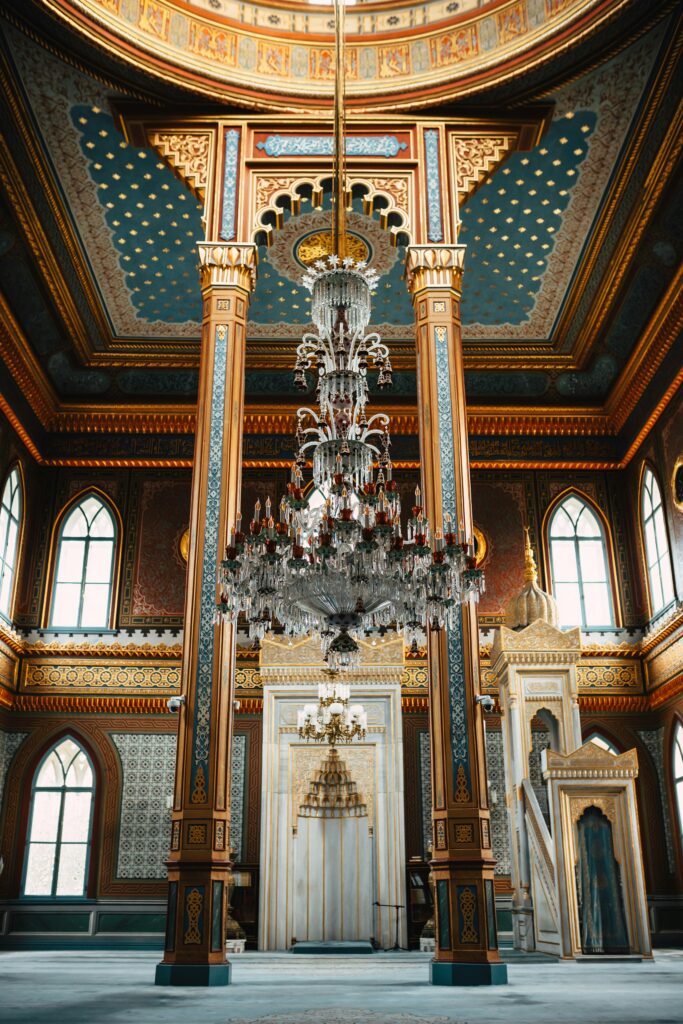
Istanbul was the capital of the Ottoman Empire for centuries, and its palaces reflect that grandeur.
- Topkapi Palace: Once home to sultans, it houses the Imperial Harem and sacred relics of Islam.
- Dolmabahçe Palace: A 19th-century masterpiece blending European baroque with Ottoman design.
- Yildiz Palace Gardens: A tranquil escape filled with history and greenery.
Visiting these palaces reveals not only luxury but also the political power and sophistication of the empire.
Daily Life: From Tea Houses to Rooftops
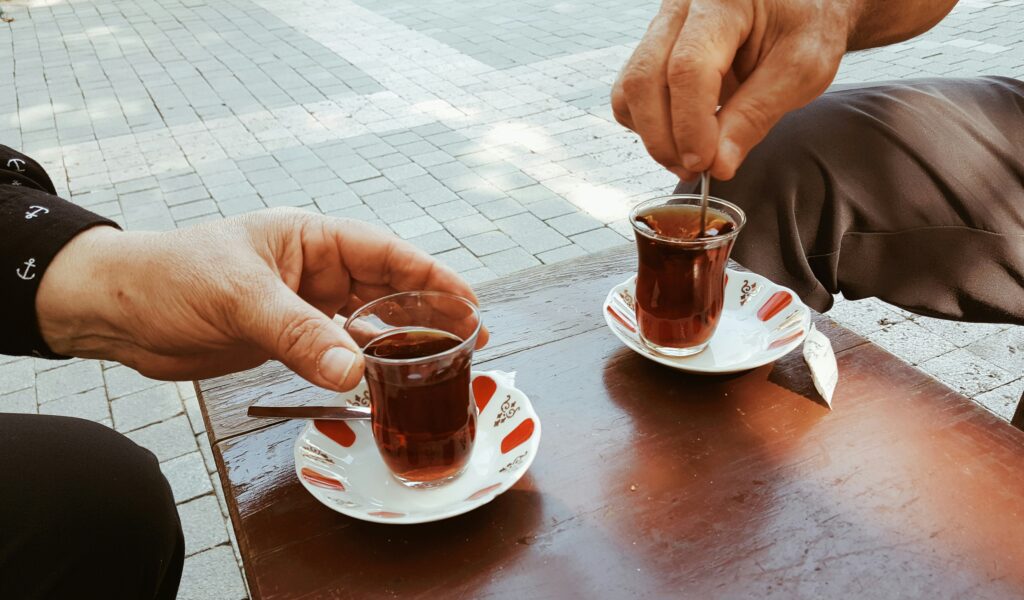
Beyond monuments, Istanbul’s essence lies in its daily rhythms.
- Tea Culture: Locals sip çay (black tea) in tulip-shaped glasses, whether in bazaars, ferries, or parks.
- Street Food: Simit (sesame bread rings), kebabs, and roasted chestnuts are everywhere.
- Rooftop Cafés: Offering sweeping views of domes, minarets, and the Bosphorus.
- Hamams (Turkish Baths): A centuries-old ritual of relaxation and cleansing.
Life here flows at a pace shaped by tradition yet energized by modernity.
Religion and Diversity
Istanbul has always been a meeting point of faiths.
- Christianity: Byzantine churches like Chora Church showcase stunning mosaics.
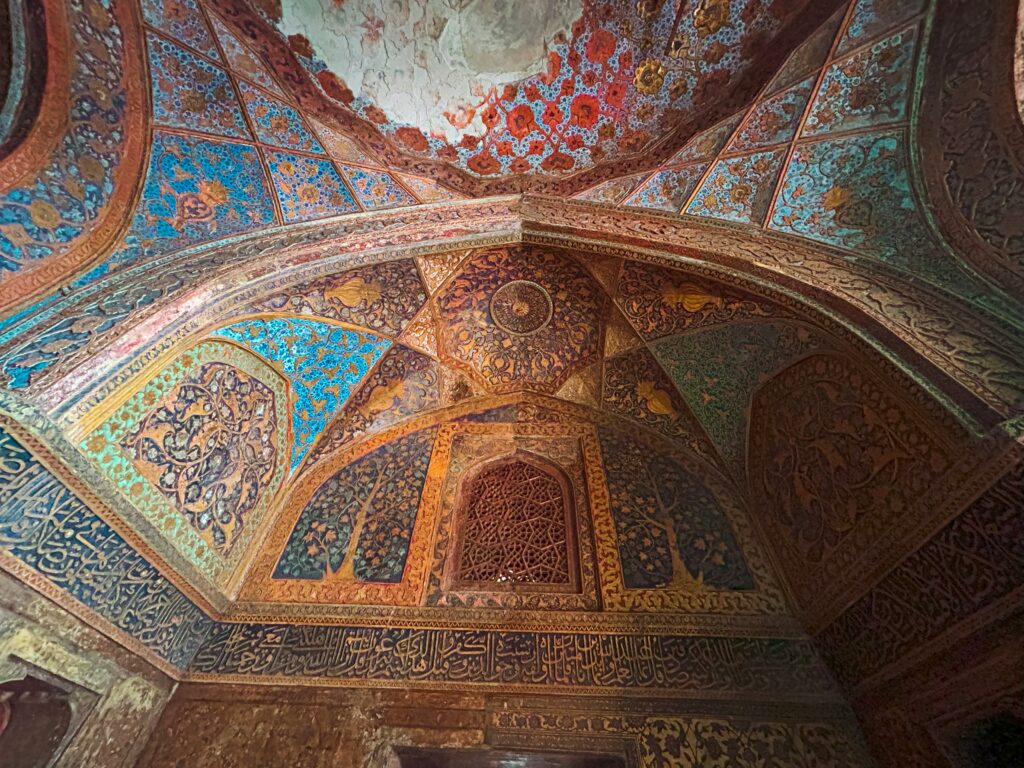
- Islam: Mosques dominate the skyline, each with unique artistry.
- Judaism: Synagogues, some centuries old, serve the city’s Jewish community.
- Modern Secularism: Turkey’s unique balance of religion and secular life is visible on Istanbul’s streets.
This coexistence defines Istanbul’s soul—a city of faiths, layered but harmonious.
Practical Tips for Istanbul
- Best Time to Visit: April–June and September–November for pleasant weather.
- Getting Around: Ferries, trams, and metros make the city accessible; taxis can be tricky.
- Where to Stay: Sultanahmet for history, Beyoğlu for nightlife, Kadıköy (Asian side) for local vibes.
- Don’t Miss: A sunset ferry ride—the most magical (and affordable) way to see Istanbul.
Conclusion: The Bridge of Worlds
Istanbul is more than a city—it is a bridge across continents, cultures, and centuries. From Byzantine domes to Ottoman palaces, from bustling bazaars to quiet tea gardens, it embodies the phrase “East meets West.”
To explore Istanbul is to witness history in motion, where every call to prayer, every ferry crossing, and every market stall reflects a story of connection. Few places on earth capture the world’s diversity and unity quite like this city on the Bosphorus.