Introduction: A City Where Time Stands Still
Rome is not just a city—it is an open-air museum, a place where every cobblestone whispers stories from centuries past. Known as the Eternal City, Rome’s unique charm lies in its ability to preserve its past while continuing to thrive as a vibrant, modern capital. From the grandeur of the Colosseum to the quiet beauty of neighborhood piazzas, Rome is living history, unfolding before your eyes.
Ancient Rome: The Empire Lives On
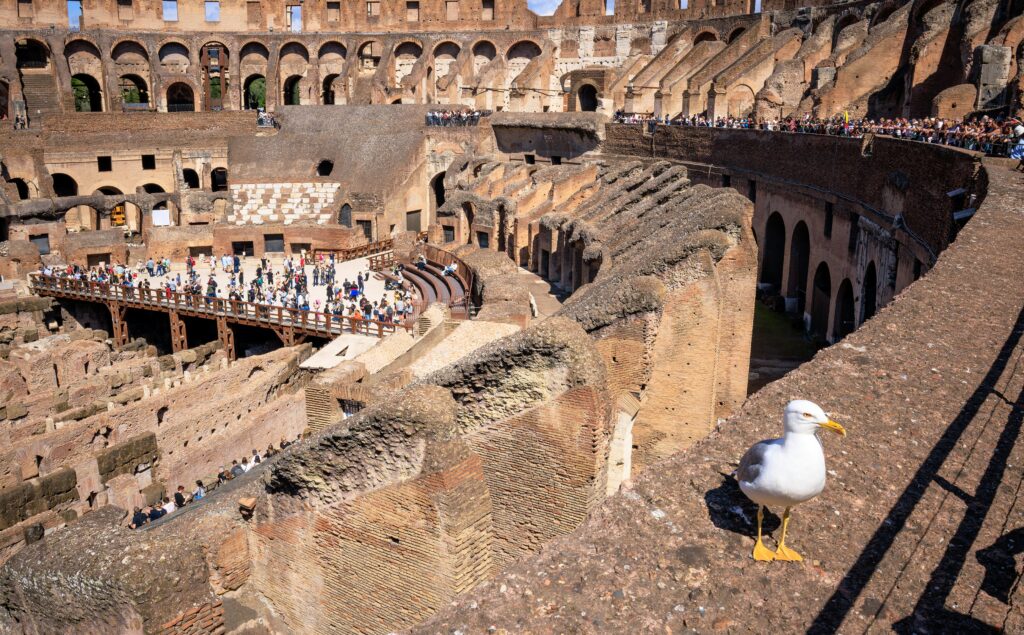
Rome’s legacy as the capital of an empire still dominates its skyline.
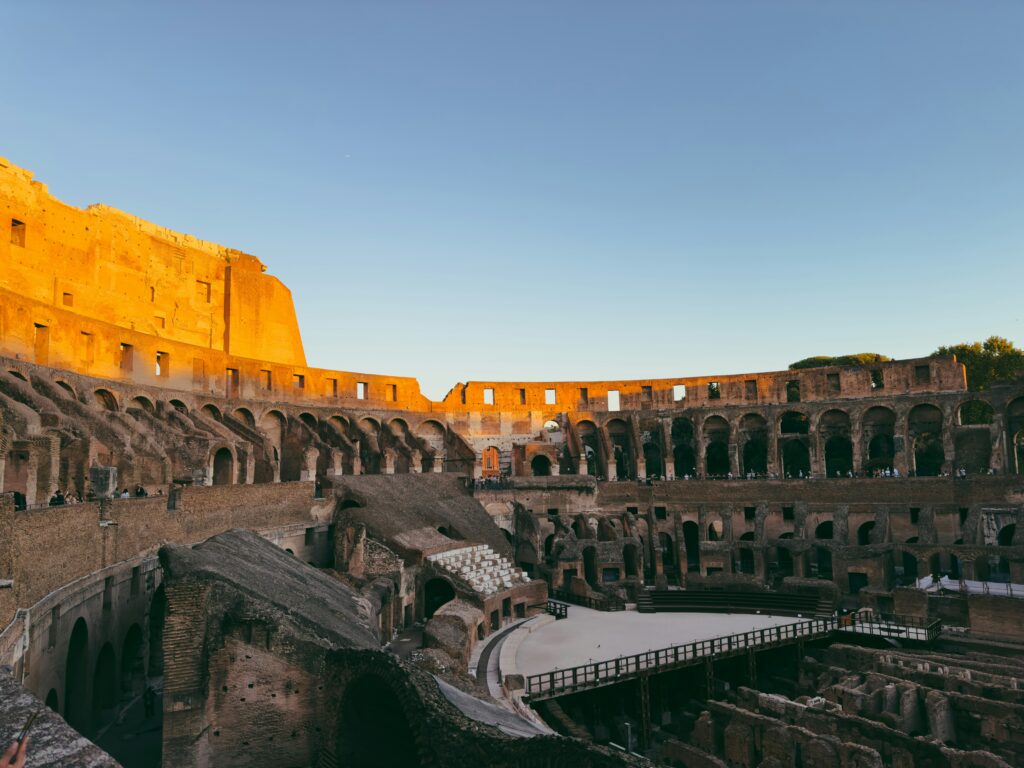
- Colosseum: Once the stage for gladiators, today it remains one of the world’s most iconic landmarks.
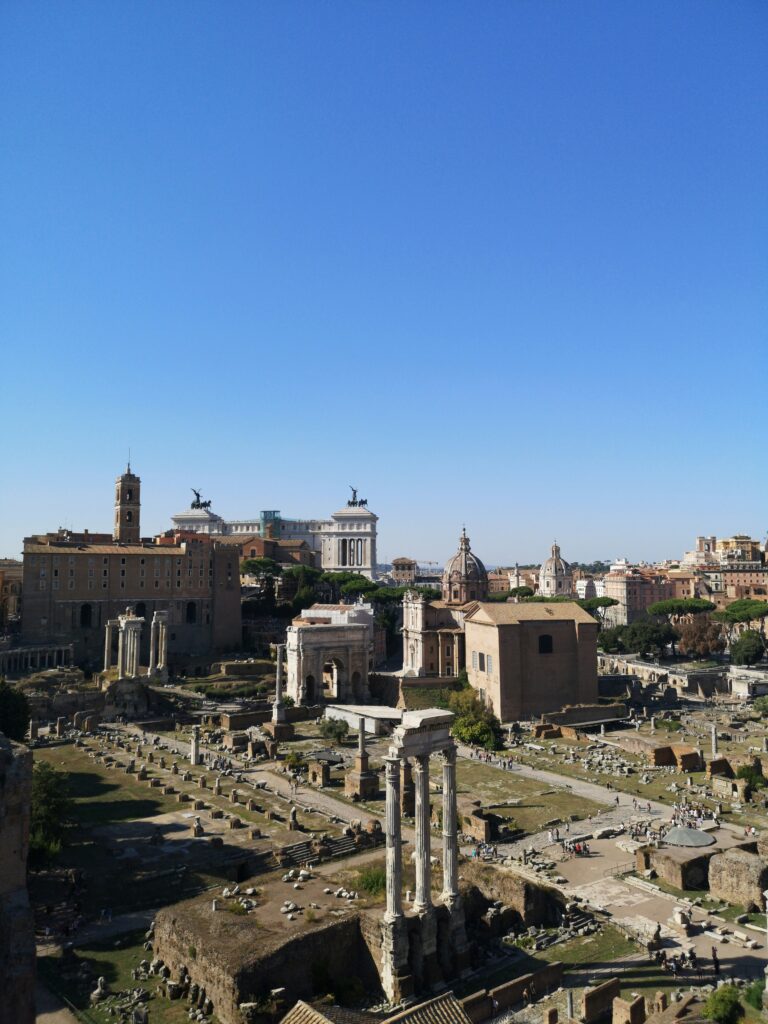
- Roman Forum: The political, religious, and social center of ancient Rome, now a sprawling set of evocative ruins.
- Pantheon: A 2,000-year-old temple with a perfectly preserved dome, still an active church.
These structures are not relics—they are symbols of resilience, embodying Rome’s title as the Eternal City.
Renaissance & Baroque Splendor
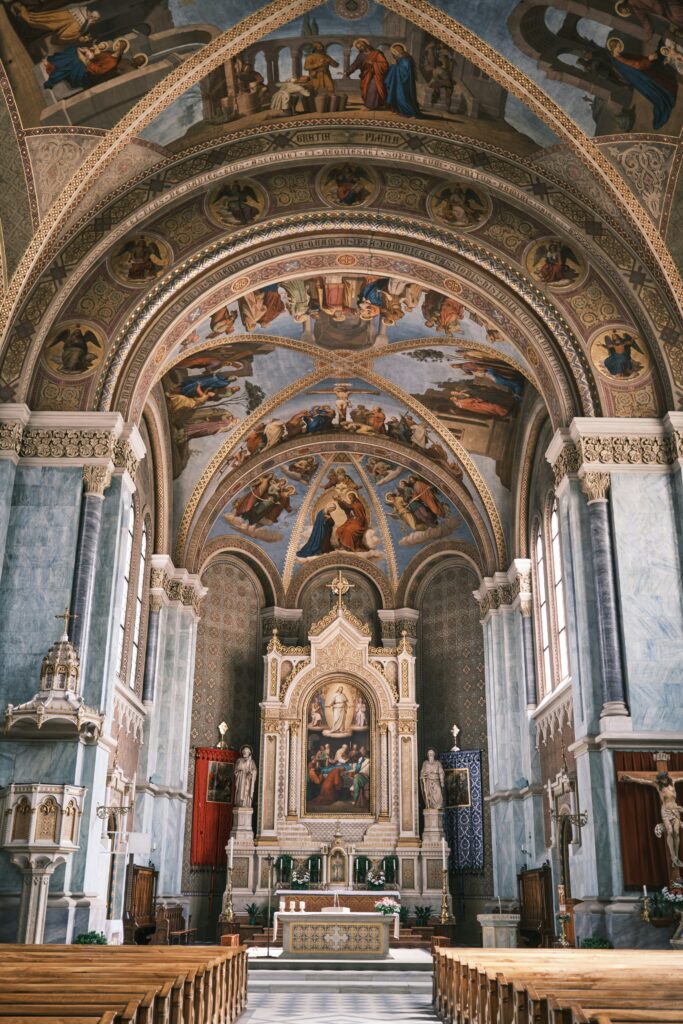
Rome also flourished during the Renaissance and Baroque periods, becoming the artistic heart of Europe.
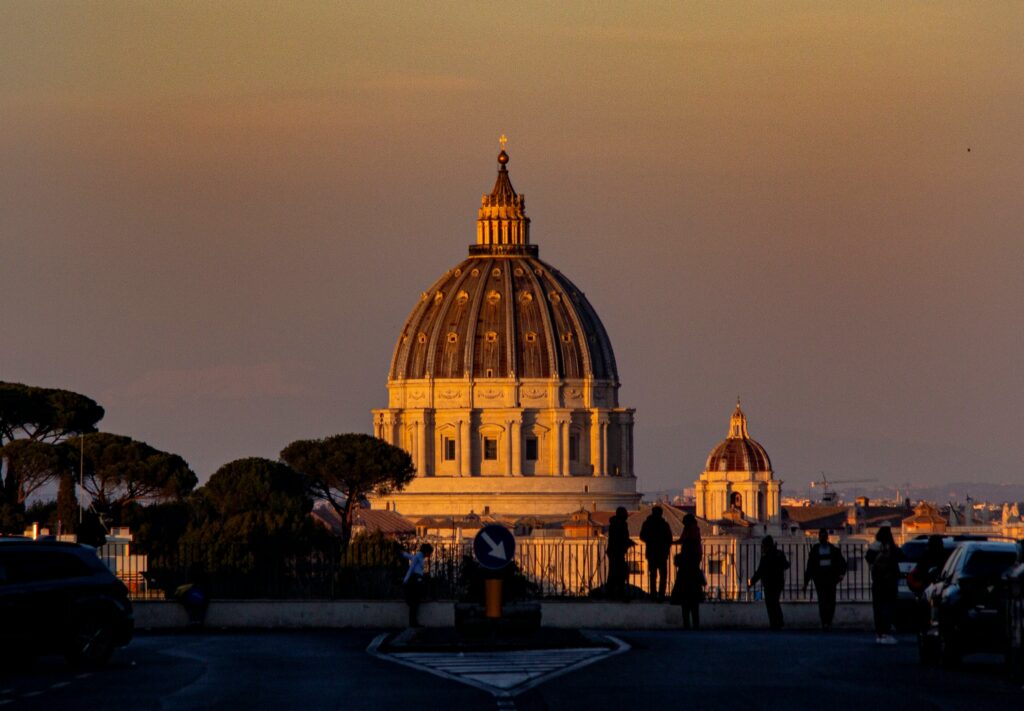
- St. Peter’s Basilica: A masterpiece of Michelangelo and Bernini, located in Vatican City.
- Sistine Chapel: Michelangelo’s ceiling frescoes remain one of humanity’s greatest artistic achievements.
- Piazza Navona: A showcase of Baroque architecture, fountains, and street performers.
Walking through these sites reveals how Rome was not only the capital of an empire but also the cradle of art and faith.
Everyday Rome: Piazzas and Neighborhoods
Beyond monumental landmarks, Rome thrives in its neighborhoods.
- Trastevere: A bohemian district with narrow cobbled streets, ivy-covered buildings, and trattorias.
- Campo de’ Fiori: A lively market square by day, buzzing nightlife hub by evening.
- Jewish Ghetto: One of the oldest Jewish communities in Europe, offering history and distinctive Roman-Jewish cuisine.
It’s in these places that you encounter the living heartbeat of Rome: families chatting in piazzas, children playing soccer, and locals savoring gelato.
The Natural Side of Rome
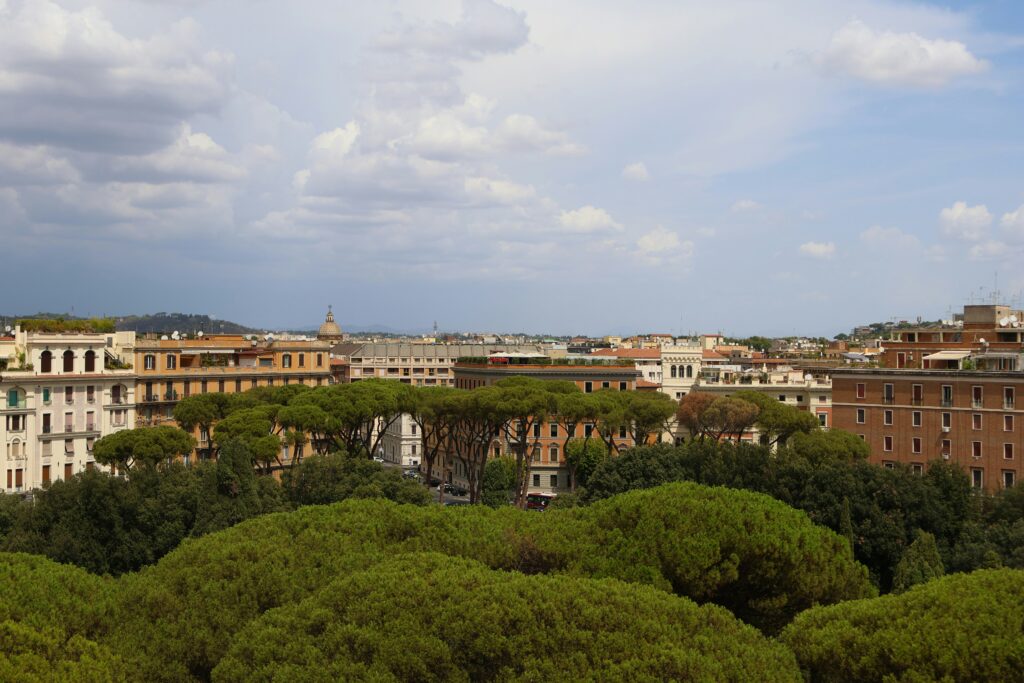
Though urban and historic, Rome also offers tranquil escapes.
- Villa Borghese Gardens: Expansive green park with museums and panoramic views.
- Aventine Hill’s Orange Garden: A romantic lookout over the city.
- Tiber River Walks: Ideal for morning jogs or evening strolls.
These spaces reveal the balance between Rome’s bustling history and its slower, contemplative side.
Food: A Taste of Roman Tradition
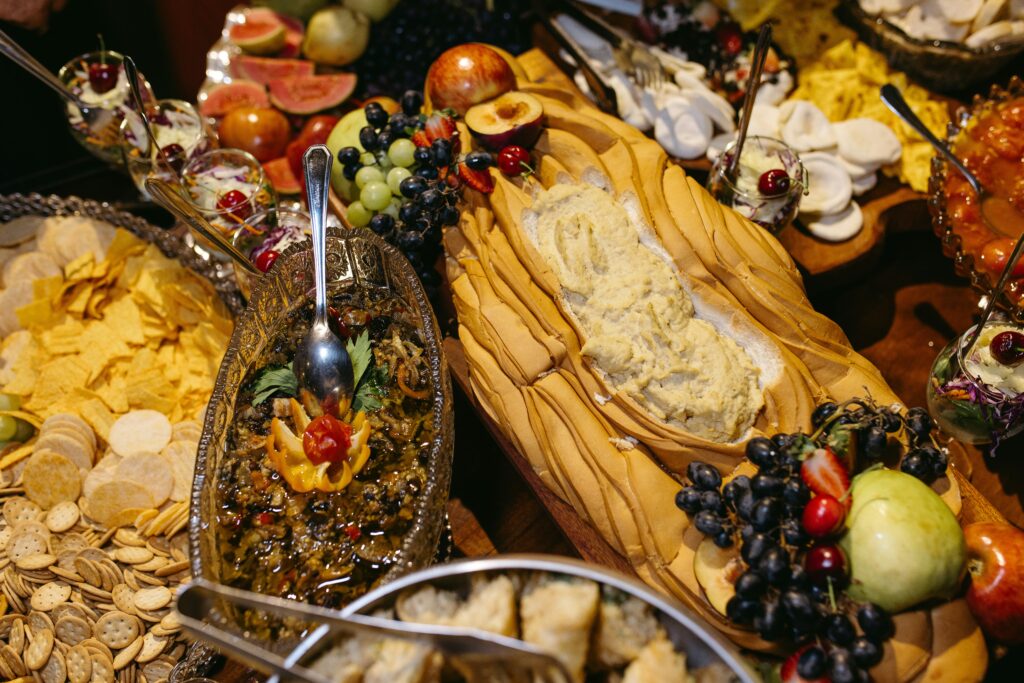
Rome’s cuisine reflects its history—simple, hearty, and deeply satisfying.
- Pasta Dishes: Carbonara, cacio e pepe, and amatriciana.
- Street Food: Supplì (fried rice balls), pizza al taglio (by the slice).
- Markets: Campo de’ Fiori and Testaccio for fresh produce and local delicacies.
- Wine: Lazio region wines pair perfectly with Roman meals.
Meals here are as much about connection as food itself—Romans linger, talk, and savor.
Pair with our Food & Culture series for culinary explorations worldwide.
Living History: Festivals and Traditions
Rome continues to celebrate its past with vibrant festivals:
- Natale di Roma (April 21): Rome’s birthday, celebrated with parades and reenactments.
- Easter at the Vatican: A deeply spiritual experience attended by thousands.
- Cinema Festival: Modern creativity in the ancient city.
These events prove Rome isn’t frozen in history—it’s alive, evolving, and always celebrating.
Cities layered with history often mirror the way ancient sites like Petra preserve stories through architecture and landscape.
Practical Travel Tips for Rome
- Best Time to Visit: April–June and September–October for mild weather.
- Getting Around: Walking is best; Metro lines are limited but efficient.
- Where to Stay: Historic center for convenience; Trastevere for charm.
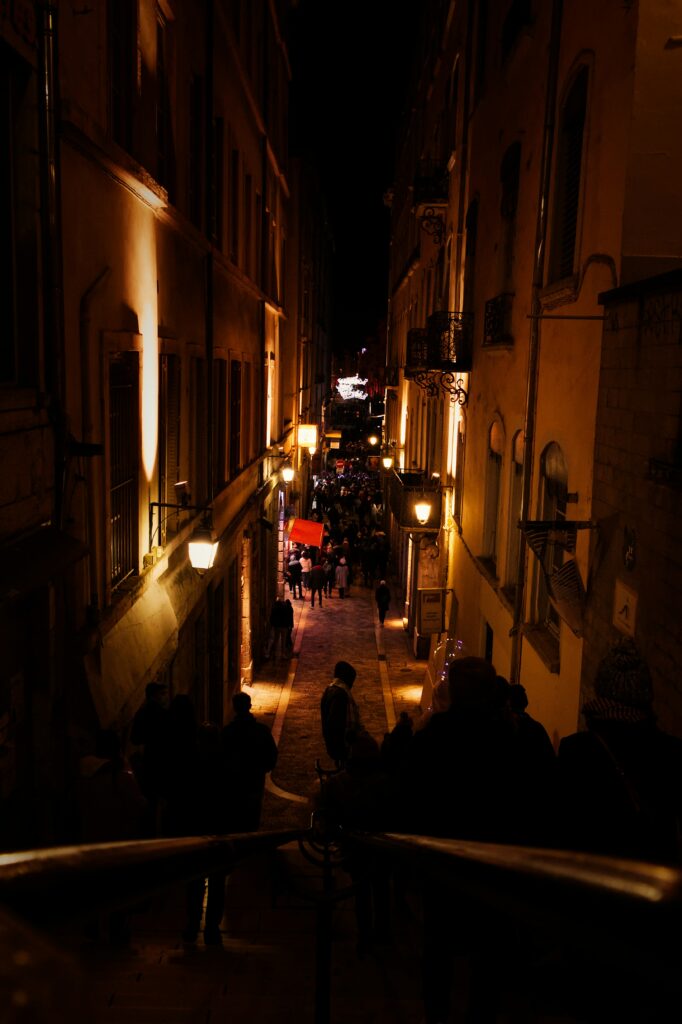
- Don’t Miss: Evening strolls—Rome’s magic is amplified under the glow of street lamps.
Conclusion: Why Rome Is Eternal
Rome’s streets are not mere thoroughfares—they are living palimpsests, layered with millennia of history yet thrumming with the vibrant pulse of the present. Walk along the Via del Corso, and your footsteps echo alongside those of ancient Romans, gladiators, and Renaissance artists; the cobblestones, worn smooth by millennia of footsteps, bear the marks of chariots as clearly as they carry the scuff of modern sneakers. Turn a corner, and you might stumble upon the ragged stone walls of the Colosseum, where the roar of 50,000 spectators once filled the air—now, it stands beside a bustling tram stop, its arches framing commuters scrolling through their phones. This is Rome’s magic: the past does not linger as a dusty relic, but wraps around the present like a well-worn cloak.
From the blood-stained sands of the Flavian Amphitheatre to the checkered tablecloths of family-run trattorias where nonna stirs simmering cacio e pepe, from the gilded masterpieces of the Vatican Museums to the chaotic charm of the Campo de’ Fiori market—where vendors shout over piles of sun-ripened tomatoes and fresh basil—Rome embodies the unbroken continuity of human civilization. Here, a priest in a cassock might pause to chat with a street artist painting Michelangelo’s David on a sidewalk; a group of tourists photographing the Pantheon’s oculus might be jostled by locals grabbing a quick espresso at a nearby bar. The sacred and the mundane, the ancient and the contemporary, collide not with friction, but with a seamless harmony that feels almost inevitable.
Rome is eternal not because it has frozen time, refusing to change, but because it has mastered the art of evolving while honoring its past. The city has weathered empires’ rise and fall, plagues, fires, and wars—yet each era has left its imprint, adding to rather than erasing what came before. A medieval church nestles against a Roman temple; a 21st-century boutique occupies the ground floor of a Baroque palace. This is the secret of its longevity: it does not cling to nostalgia, but reimagines its heritage for each new generation. Visiting Rome, then, is never just sightseeing. It is stepping into a living story—one written by Caesar and Caravaggio, by popes and peasants, and now by you—where every stone, every meal, every conversation is a new chapter in a narrative that has unfolded for 2,700 years and shows no sign of ending.