Introduction: The Allure of Morocco
Morocco is a land of contrasts—bustling souks echoing with traders’ calls, tranquil desert dunes glowing under the moon, and mountain villages tucked into the Atlas peaks. While Marrakech often takes the spotlight with its vibrant energy, the country holds countless hidden gems that reveal Morocco’s true magic.
This guide explores Morocco’s cultural heart, natural wonders, and historic treasures, showing why this North African nation is unlike anywhere else.
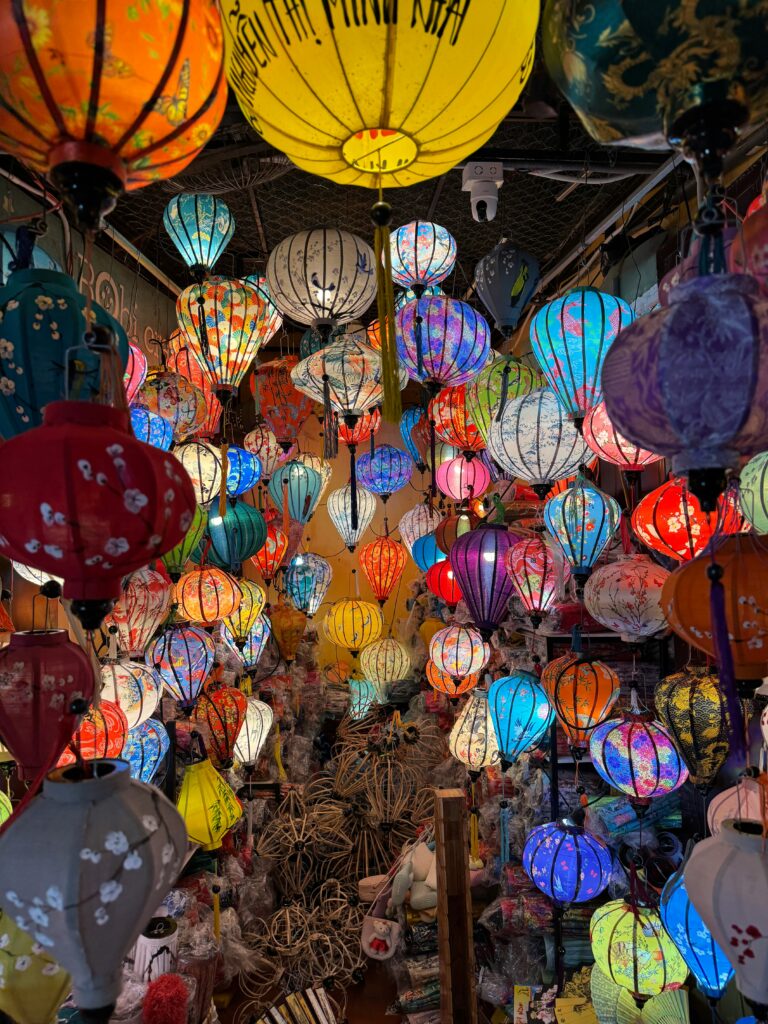
Marrakech: The Red City’s Endless Charms
Known as the Red City for its rose-colored walls, Marrakech is a sensory feast.
- Jemaa el-Fnaa Square: By day, snake charmers and juice stalls; by night, food vendors and storytellers.
- Souks of Marrakech: Labyrinthine markets filled with spices, leather goods, lanterns, and carpets.
- Bahia Palace: A stunning 19th-century residence with intricate tilework and gardens.
- Majorelle Garden: Once owned by Yves Saint Laurent, it’s a peaceful haven of cobalt blue and exotic plants.
Marrakech is chaotic, colorful, and captivating—an introduction to Morocco’s vibrant culture.
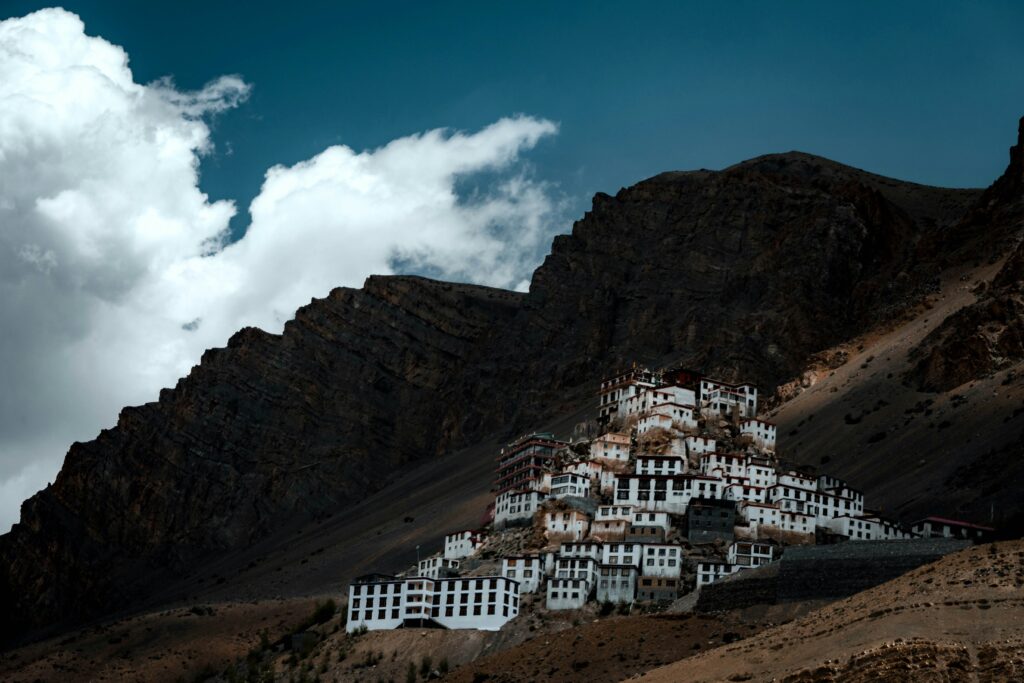
The Atlas Mountains: Villages in the Clouds
Just outside Marrakech lie the Atlas Mountains, offering a completely different pace of life.
- Berber Villages: Meet locals who have preserved centuries-old traditions of weaving, farming, and hospitality.
- Trekking Adventures: From day hikes to multi-day treks, the mountains reveal waterfalls, valleys, and panoramic views.
- Oukaïmeden: North Africa’s ski resort—a surprise for many travelers.
The Atlas Mountains embody Morocco’s diversity: one day you’re in a desert, the next you’re hiking snowy peaks.
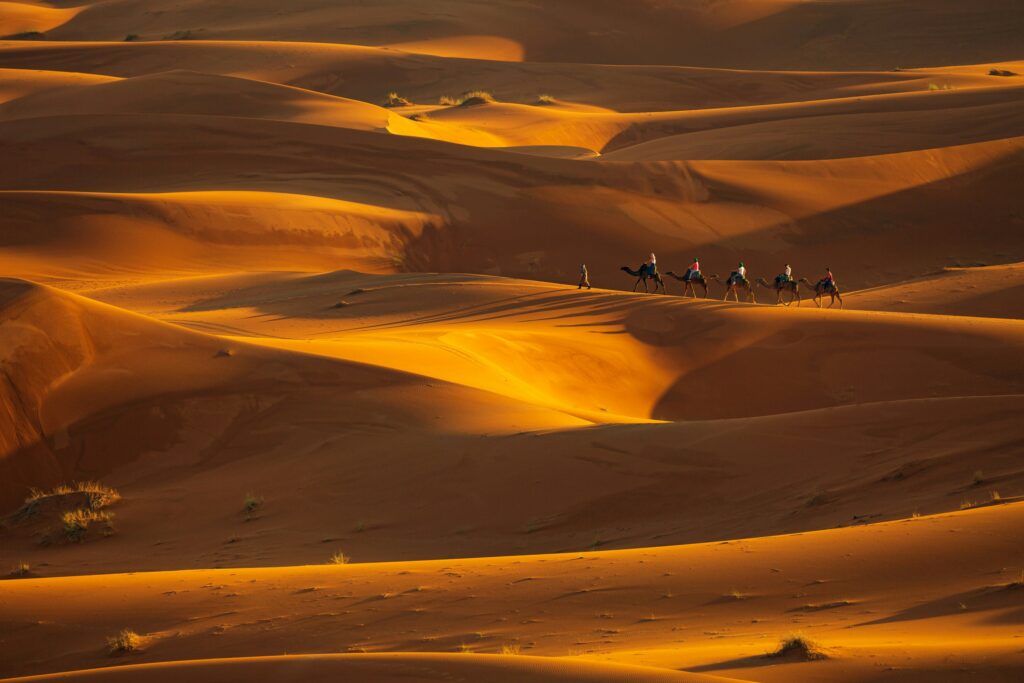
The Sahara Desert: Ocean of Sand
No trip to Morocco is complete without the Sahara Desert. Its vast dunes offer surreal landscapes and unforgettable experiences.
- Merzouga: Gateway to the Erg Chebbi dunes, famous for camel treks and luxury desert camps.
- Zagora: Less crowded, offering a more rugged desert adventure.
- Night Under the Stars: The desert sky reveals constellations with unparalleled clarity.
Pro tip: Stay overnight in a desert camp—music, food, and storytelling around the fire create lifelong memories.
Fez: Morocco’s Spiritual Capital
Fez (or Fes) is less chaotic than Marrakech but equally enchanting.
- Medina of Fez el-Bali: A UNESCO World Heritage site and one of the world’s largest car-free urban areas.
- Al Quaraouiyine University: Founded in 859, recognized as the oldest operating university in the world.
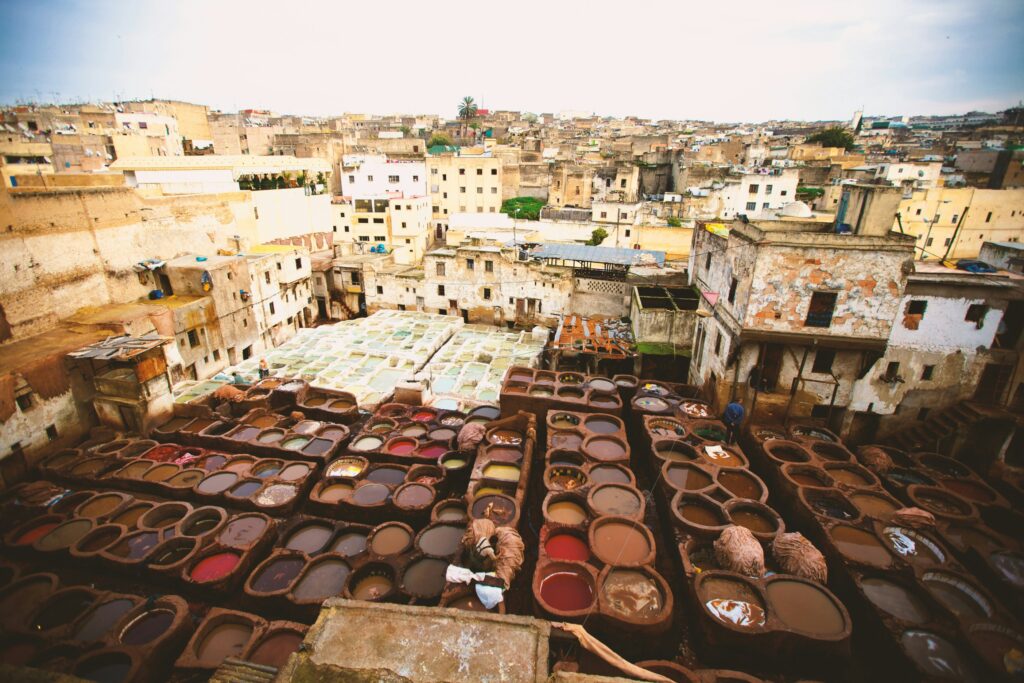
- Tanneries of Fez: A colorful, if pungent, glimpse into centuries-old leather-making traditions.
Fez is Morocco’s intellectual and spiritual center, preserving traditions that date back over a millennium.
Coastal Gems: Essaouira & Beyond
Morocco’s coastline is dotted with laid-back towns and fishing villages.
- Essaouira: Known for whitewashed houses, strong Atlantic winds (a kite-surfer’s paradise), and fresh seafood.
- Asilah: A seaside town famous for murals and art festivals.
- Rabat & Casablanca: Offering modern contrasts—government buildings, art-deco architecture, and Atlantic charm.
Essaouira, in particular, is a refreshing break from the intensity of Marrakech.
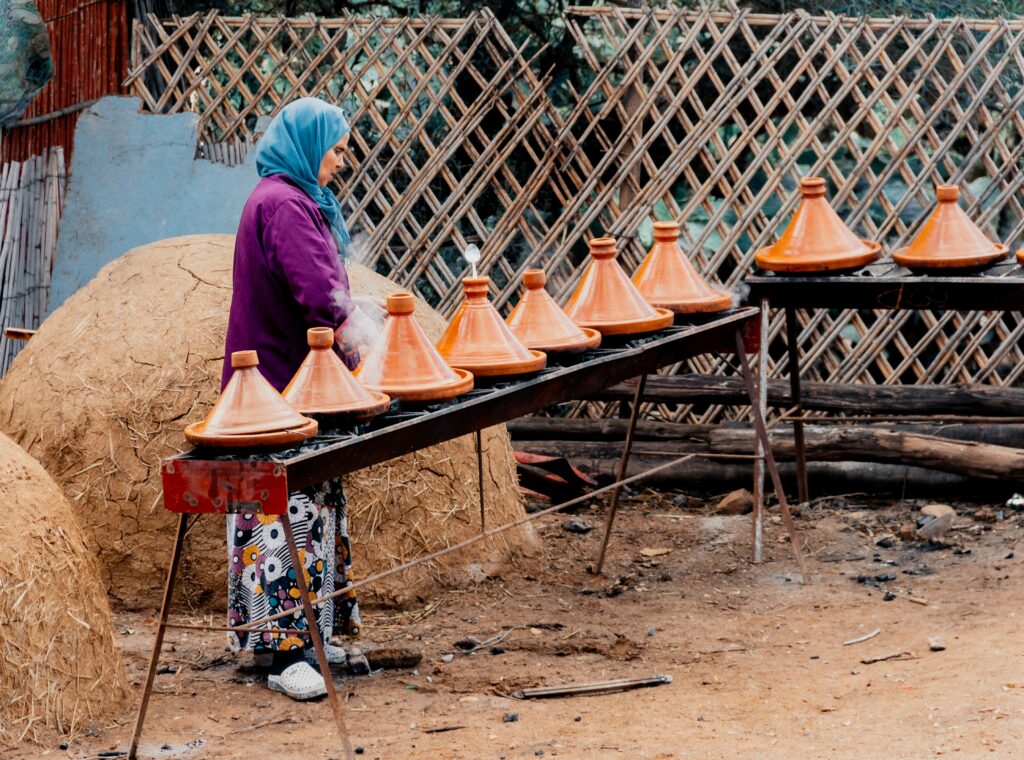
Food & Flavor: Morocco on a Plate
Moroccan cuisine is as colorful as its markets.
- Tagine: Slow-cooked stews of meat, vegetables, and spices.
- Couscous: A Friday staple in Moroccan households.
- Mint Tea: The “Moroccan whiskey,” poured high for frothy sweetness.
- Pastilla: A savory-sweet pie of pigeon or chicken wrapped in pastry.
Eating in Morocco is more than a meal—it’s an invitation to share stories and hospitality.
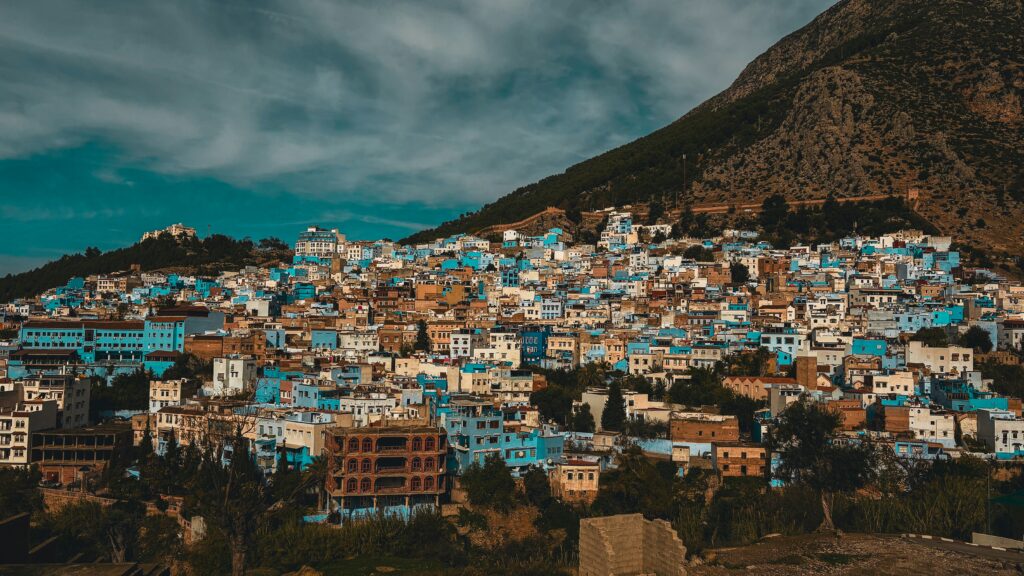
Everyday life in traditional cities often unfolds through color, rhythm, and routine, similar to Kyoto’s quieter residential streets.
Practical Tips for Exploring Morocco
- Best Time to Visit: Spring (March–May) and autumn (September–November). Summers can be scorching in the desert.
- Getting Around: Trains connect major cities; buses and grand taxis reach smaller towns.
- What to Wear: Modest clothing is appreciated; scarves are handy for sun and cultural respect.
- Currency: Moroccan dirham (MAD). Cash is essential in souks and small towns.
Conclusion: Morocco’s Endless Magic
Morocco is a country of many faces: bustling Marrakech, serene mountains, endless deserts, scholarly Fez, and breezy coastal towns. Together, they form a mosaic of history, culture, and natural wonder.
To explore Morocco is to step into a storybook where every turn reveals a new chapter—colorful, intense, and unforgettable.