Introduction: Kyoto, the Soul of Japan
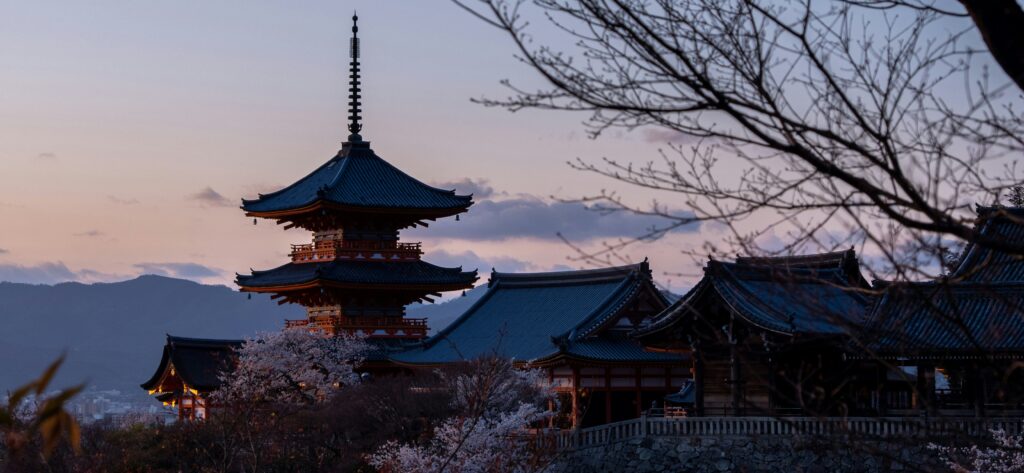
When people imagine Japan, they often think of neon-lit Tokyo, sushi bars, or cutting-edge technology. Yet, if you want to see the soul of Japan, there is no better place than Kyoto. Once the imperial capital for more than a thousand years, Kyoto is where tradition and modernity intertwine seamlessly. From serene Zen gardens to bustling markets, this city captures Japan’s spiritual essence like no other.
The Cultural Heart: Temples, Shrines, and Spirituality
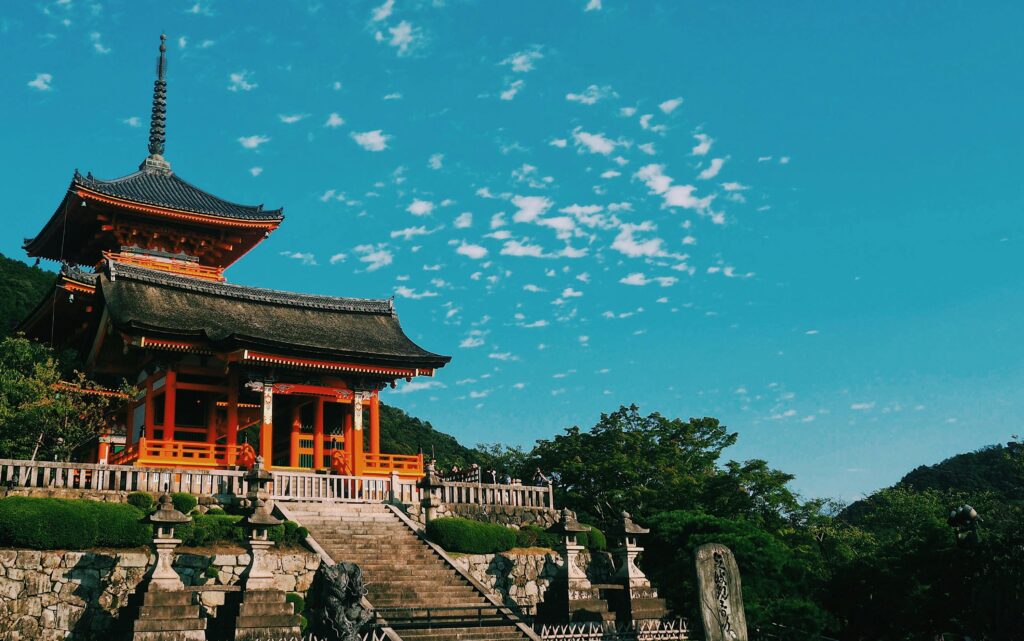
Kyoto is home to over 1,600 Buddhist temples and 400 Shinto shrines, making it Japan’s cultural and spiritual epicenter.
- Kinkaku-ji (Golden Pavilion): A Zen temple shimmering with gold leaf, reflected in a tranquil pond.
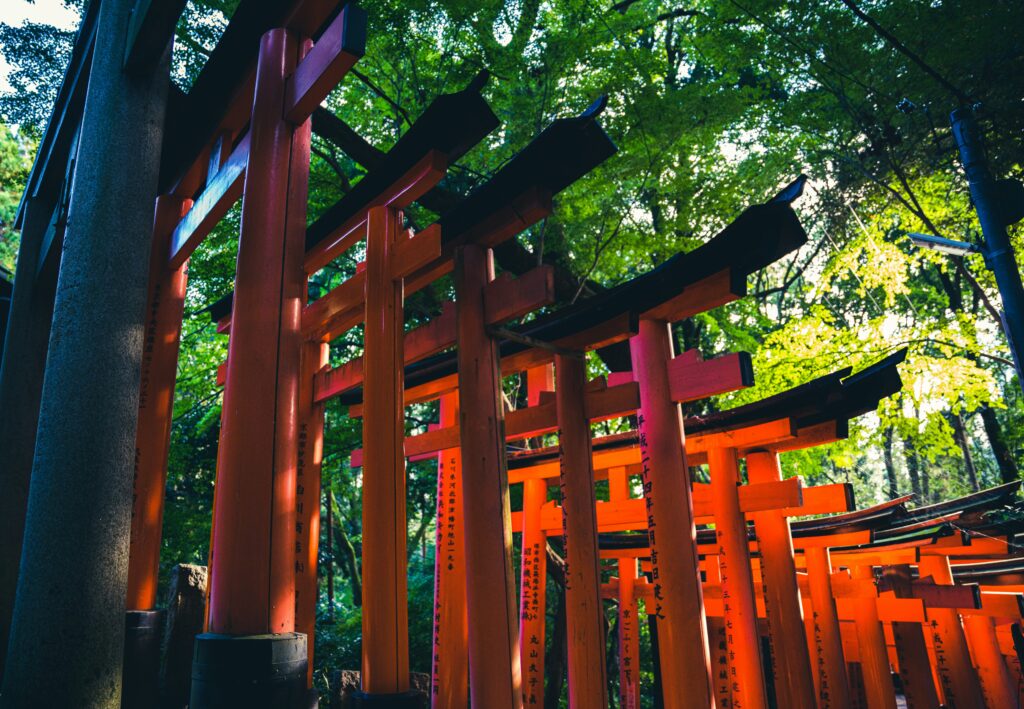
- Fushimi Inari Shrine: Famous for its endless red torii gates leading up Mount Inari.
- Ryoan-ji: Known for its minimalist rock garden, a masterpiece of Zen philosophy.
Every temple tells a story of discipline, harmony, and balance—values deeply embedded in Japanese culture.
Nature’s Poetry: Gardens, Seasons, and Mountains
Kyoto is a city that changes with the seasons, offering four completely different experiences:
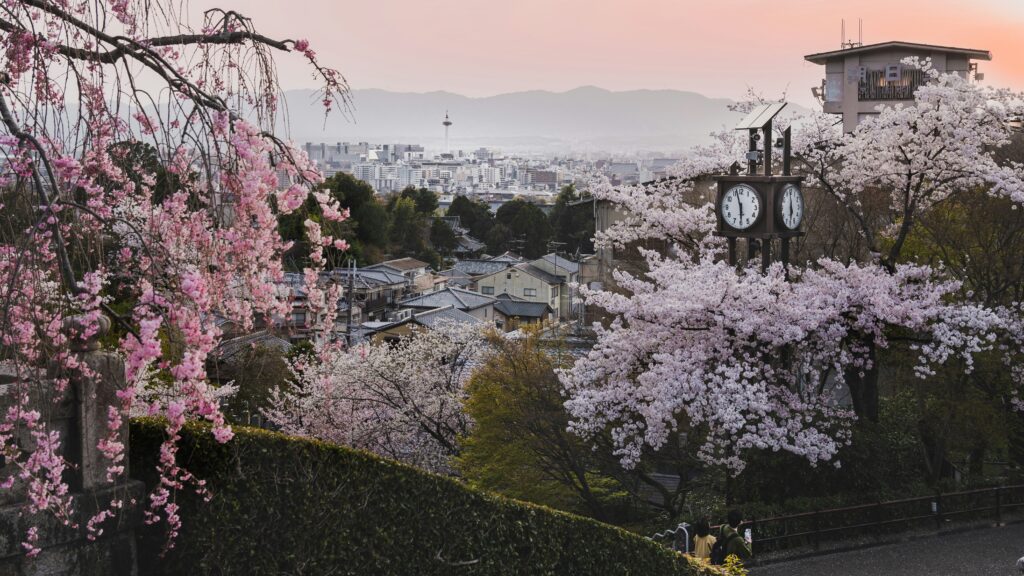
- Spring: Cherry blossoms at Maruyama Park and the Philosopher’s Path.
- Summer: Lush greenery and traditional festivals like Gion Matsuri.
- Autumn: Fiery maple leaves at Tofuku-ji Temple and Arashiyama.
- Winter: Snow-dusted temples creating postcard-perfect scenes.
Nearby, the Arashiyama Bamboo Grove is a natural wonder—walking among towering bamboo stalks feels like stepping into another world.
Pro tip: Visit early morning or late afternoon to avoid crowds.
Living Traditions: Tea, Geisha, and Everyday Kyoto
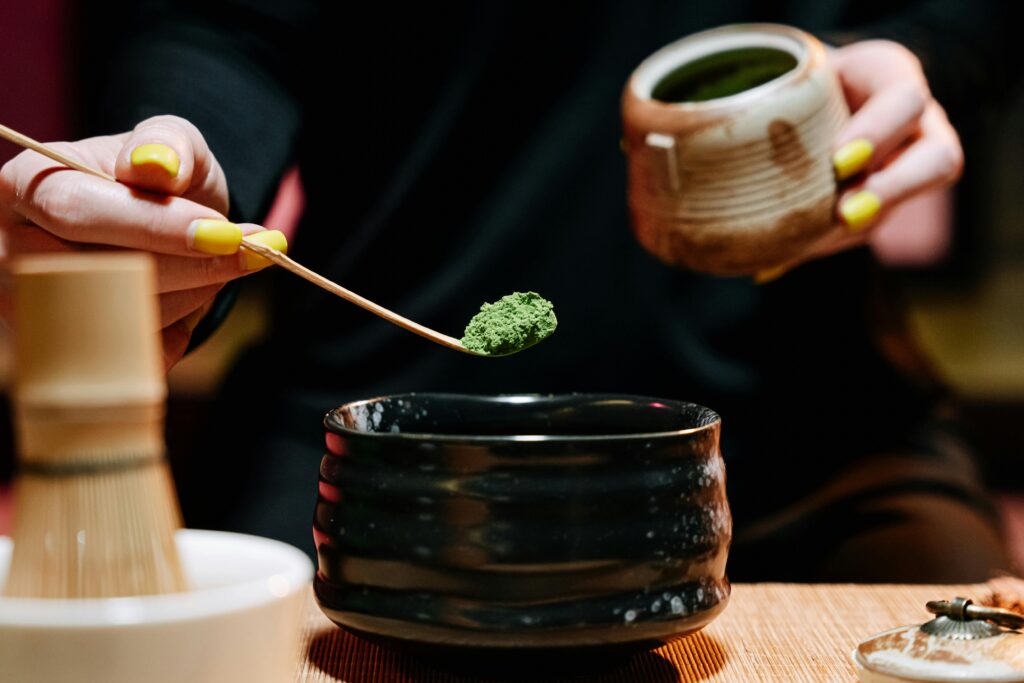
Kyoto isn’t just about monuments—it’s a living city where traditions survive and thrive.
- Tea Ceremony: Experience the Japanese tea ritual in a traditional machiya townhouse. It’s not just about drinking tea, but about mindfulness and hospitality.
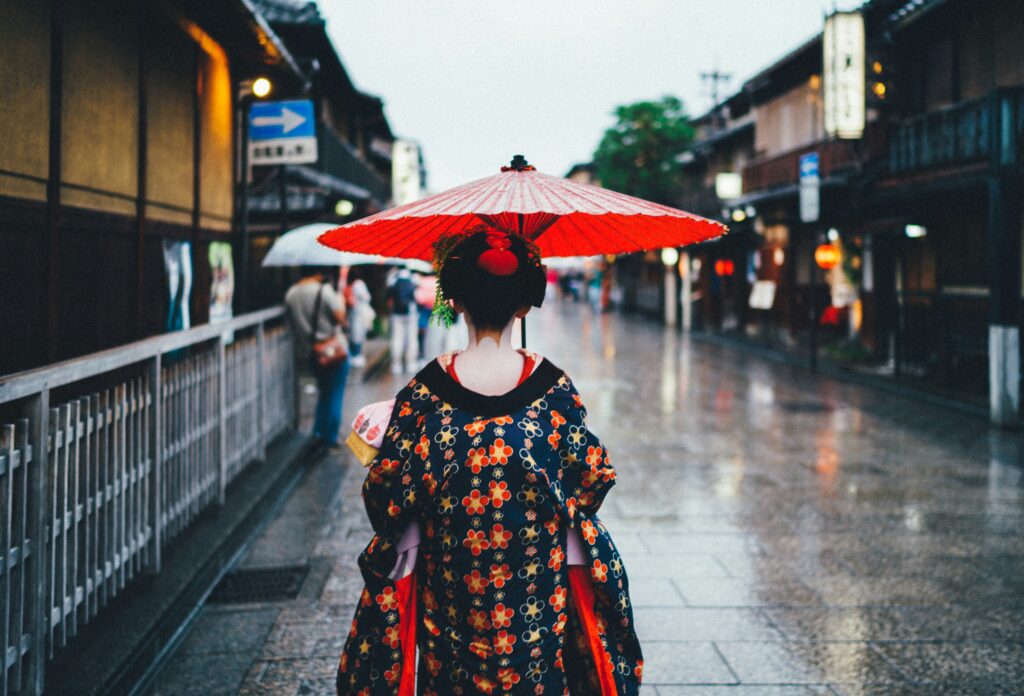
- Geisha Culture: In the Gion district, you may glimpse geiko (Kyoto’s geisha) or maiko (apprentices) heading to evening engagements.
- Craftsmanship: From kimonos to pottery, Kyoto artisans keep centuries-old skills alive.
These practices aren’t staged performances; they are genuine reflections of Kyoto’s identity.
Connect with our Food & Culture category to explore culinary traditions alongside tea rituals.
History Woven into the City
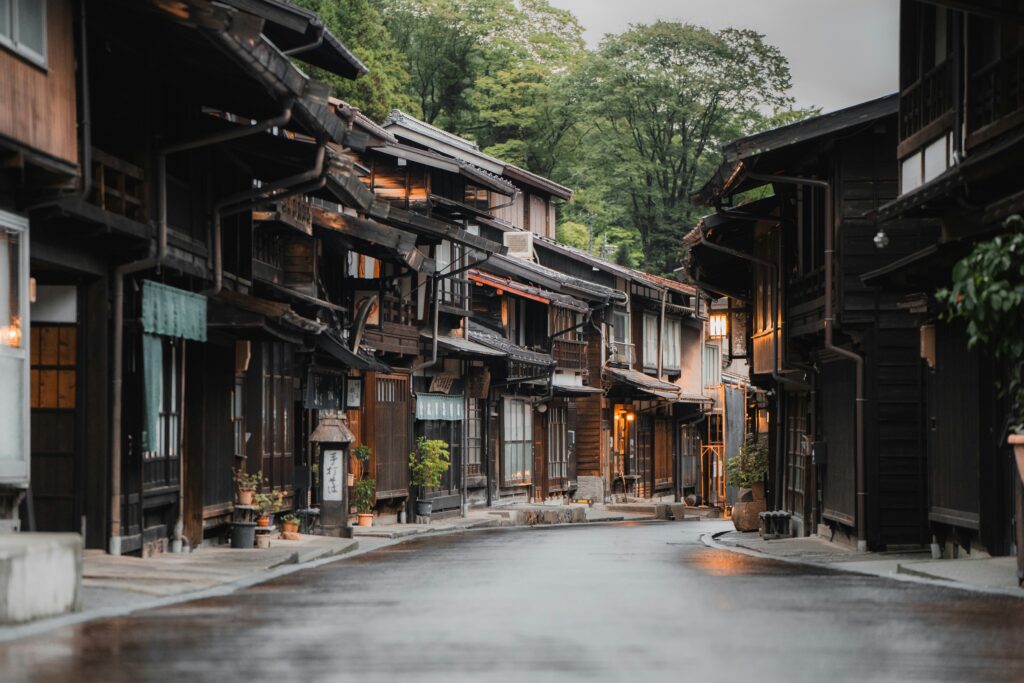
As Japan’s imperial capital for over a millennium, Kyoto has witnessed dynasties, wars, and cultural renaissances.
- Heian Period (794–1185): Kyoto was established as the capital, modeled after China’s Chang’an.
- Medieval Era: Temples and gardens flourished under Zen influence.
- Modern Era: Despite modernization, Kyoto preserved its historical character during World War II when it was spared from bombing.
Walking its streets is like walking through time, where each neighborhood holds echoes of different centuries.
Food: The Flavor of Elegance
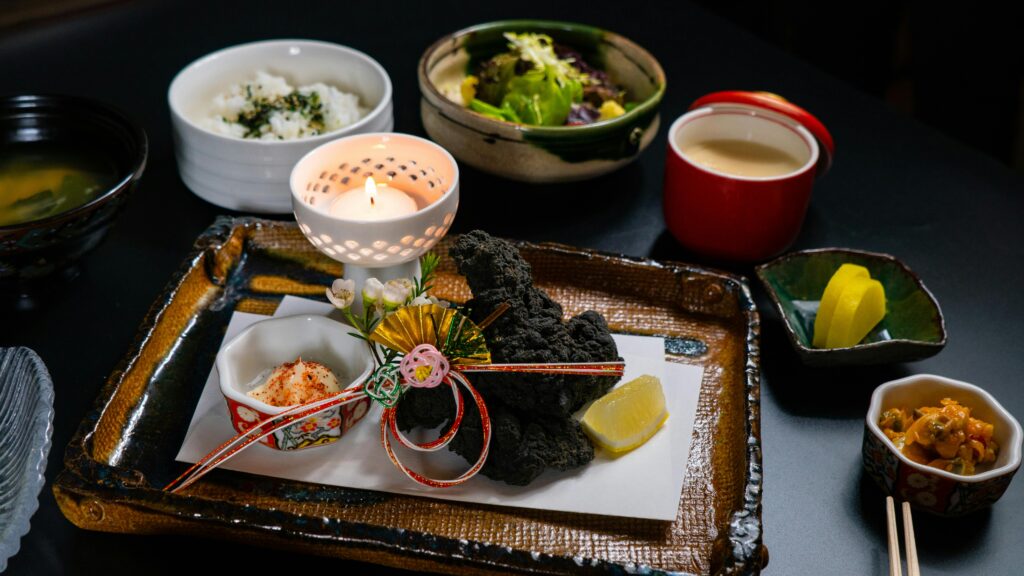
Kyoto’s cuisine, known as kyo-ryori, emphasizes seasonal ingredients and refined presentation.
- Kaiseki: A multi-course haute cuisine meal, balancing flavor, texture, and beauty.
- Obanzai: Home-style Kyoto dishes, simple yet nourishing.
- Matcha Sweets: Kyoto is the capital of matcha-based desserts, from parfaits to cakes.
Eating in Kyoto is not just about filling the stomach—it’s about experiencing the philosophy of harmony with nature.
Kyoto Today: Where Past Meets Present
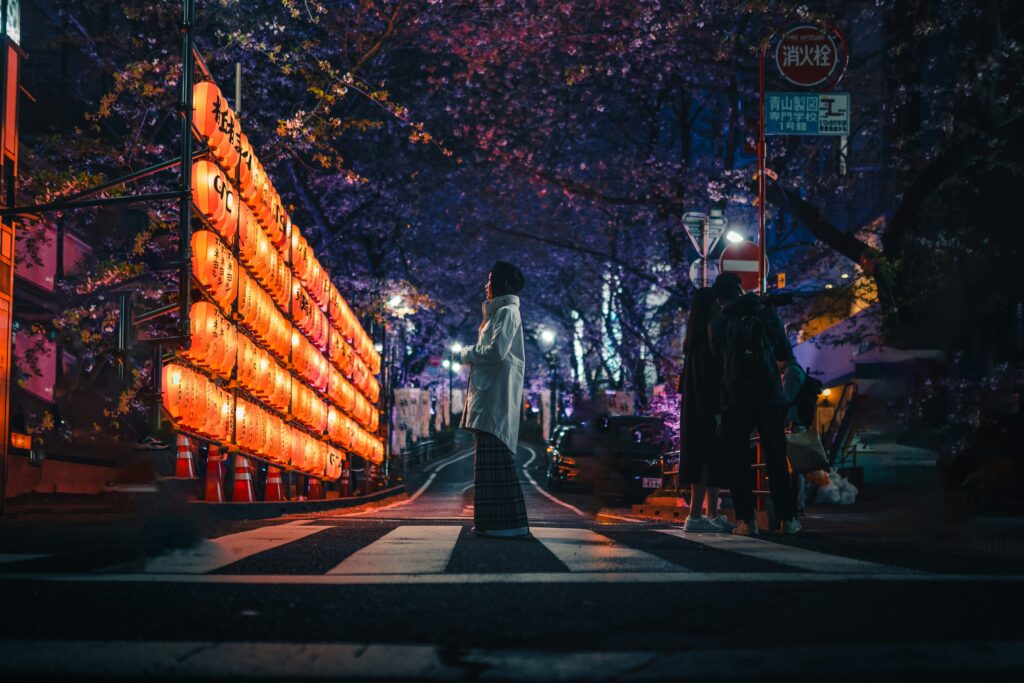
Kyoto may be steeped in tradition, but it is also a modern, vibrant city. Universities, tech startups, and cultural festivals coexist with ancient temples. This unique balance is what makes Kyoto so compelling—it’s a city that honors the past while embracing the future.
Pro tip: Spend a night in a ryokan (traditional inn) for a complete Kyoto experience.
Practical Travel Tips for Kyoto
- Best Time to Visit: Spring (March–April) and autumn (October–November) are most picturesque.
- Getting Around: Buses cover most attractions; bikes are great for shorter distances.
- Where to Stay: Machiya guesthouses for tradition, or modern hotels near Kyoto Station for convenience.
- Don’t Miss: Gion Matsuri in July, one of Japan’s most famous festivals.
Kyoto’s influence becomes clearer when viewed alongside the city’s seasonal relationship with nature and tradition.
Conclusion: Kyoto, Japan’s Eternal Spirit
Kyoto is more than a destination—it is an experience of Japan’s eternal spirit. From Zen gardens and ancient temples to geisha culture and seasonal beauty, Kyoto embodies the essence of harmony, tradition, and resilience.
Visiting Kyoto is like opening a living history book, one that continues to write new chapters every day. And for travelers, it is an invitation to slow down, breathe deeply, and embrace the timeless rhythm of Japan.