Introduction: Why Safety Should Come First
Travel is exciting, but it also comes with risks—from lost luggage to scams, accidents, or emergencies abroad. While you can’t control everything, you can minimize risks with practical safety habits.
This guide highlights essential safety strategies for stress-free travel—covering personal security, financial safety, health precautions, and cultural awareness—so you can enjoy your adventures with peace of mind.

Personal Safety: Protecting Yourself Abroad
1. Blend In with Locals
- Avoid flashy jewelry or obvious tourist clothing.
- Learn a few basic phrases of the local language—it shows respect and helps you fit in.
2. Be Cautious at Night
- Stick to well-lit, populated areas.
- Use registered taxis or rideshare apps rather than unmarked cars.
3. Share Your Itinerary
- Let friends or family know where you’ll be staying.
- Check in periodically when traveling solo.
Financial Safety: Protecting Your Money
1. Split Your Funds
Keep money, debit cards, and credit cards in different locations (e.g., wallet, hotel safe, hidden pouch).
2. Use Cards Wisely
- Carry at least one backup card.
- Use credit cards for major purchases—they often offer fraud protection.
- Inform your bank about your travel dates to avoid blocked transactions.
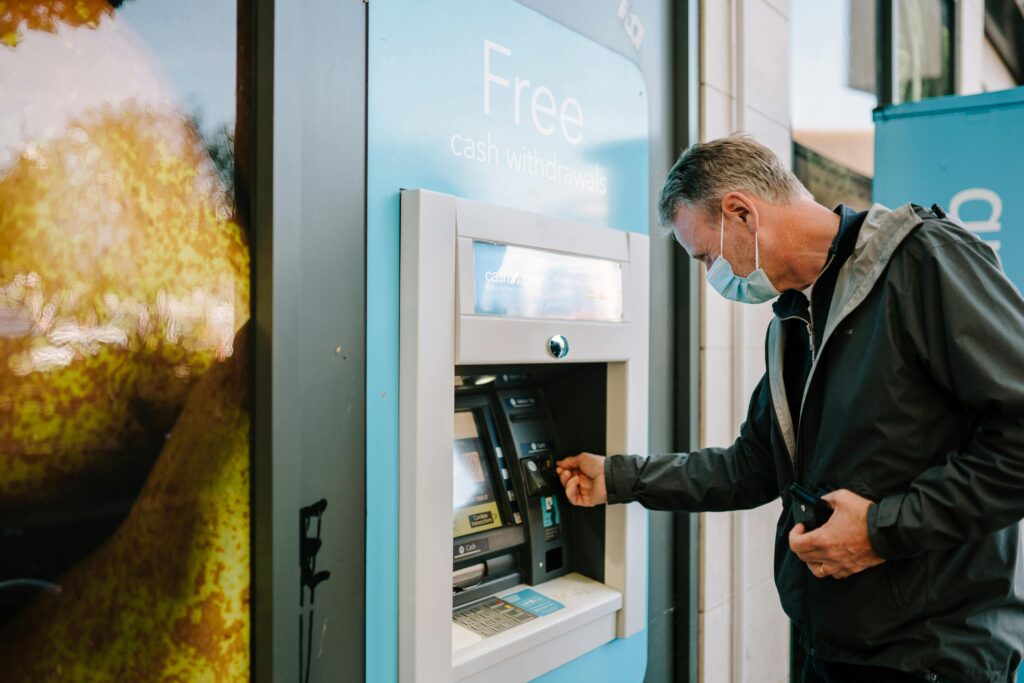
3. ATM Safety
- Use ATMs inside banks or malls, not on deserted streets.
- Cover the keypad when entering PINs.
Health and Wellness Safety
1. Food and Water Precautions
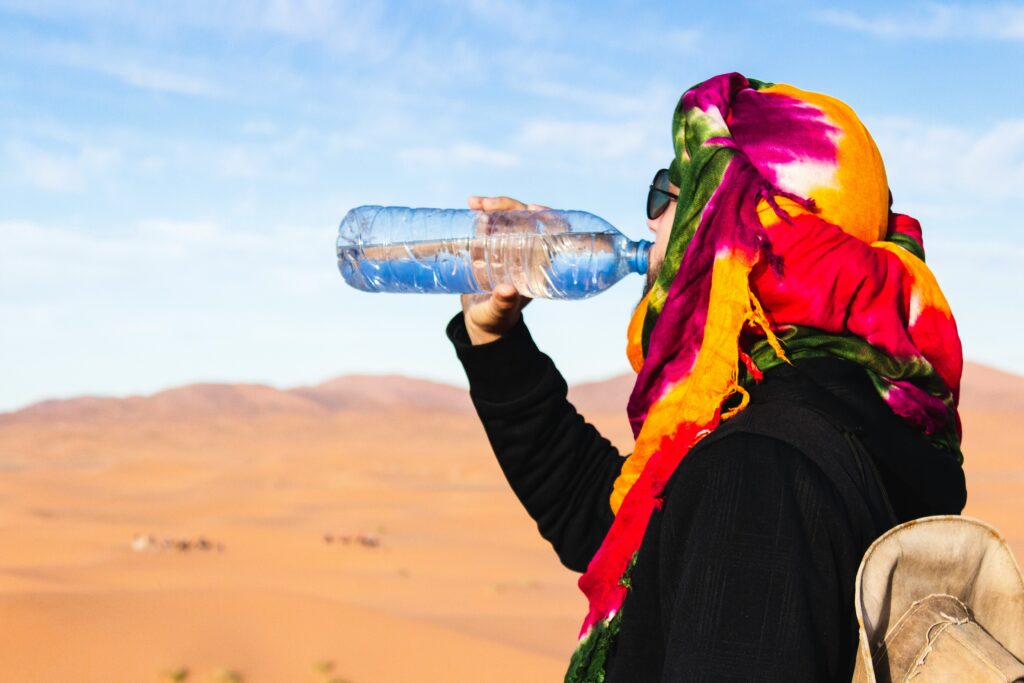
- Drink bottled or filtered water if tap water isn’t safe.
- Eat at popular restaurants where food turnover is high.
2. Carry a Travel Health Kit
Include pain relievers, bandages, motion sickness tablets, and any prescription medications.
3. Stay Hydrated and Rested
Tired or dehydrated travelers are more prone to mistakes and illness.
Luggage and Belongings Safety
1. Keep Valuables Close
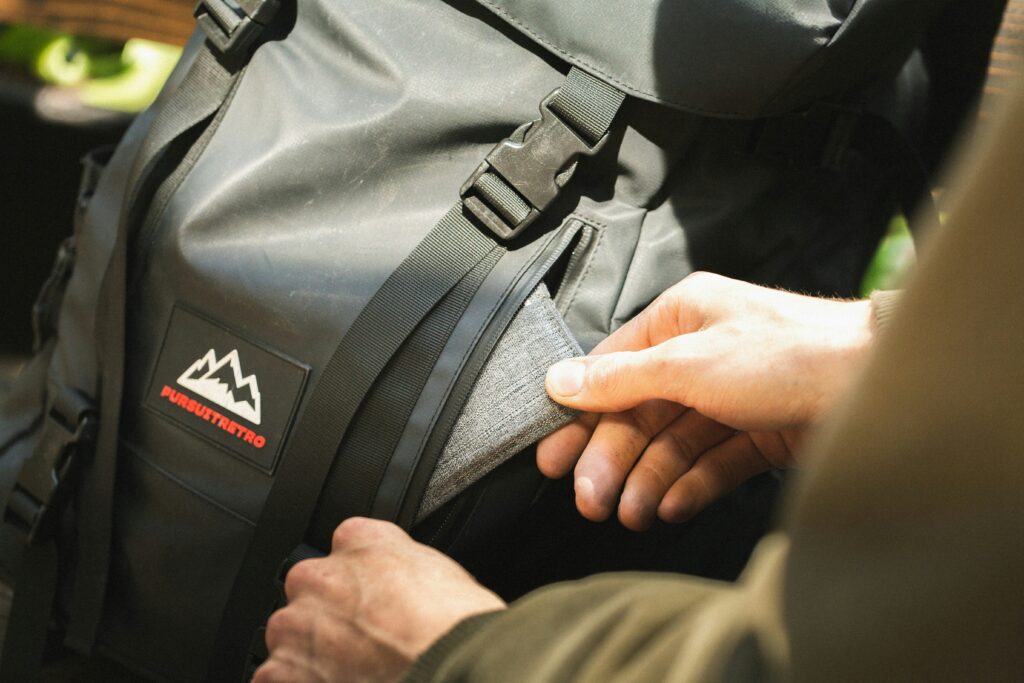
- Use anti-theft backpacks with lockable zippers.
- Keep passports, cash, and electronics in a cross-body bag or money belt.
2. Track Your Bags
- Use luggage tags with only your email or phone (not home address).
- Consider devices like Apple AirTag or Tile to track lost bags.
3. Carry-On Essentials
Always pack essentials (passport, medication, change of clothes) in your carry-on in case checked bags go missing.
Digital Safety for Travelers
1. Secure Wi-Fi Usage
- Use a VPN when connecting to public Wi-Fi.
- Avoid online banking or sensitive transactions on unsecured networks.
2. Back Up Important Documents
- Store scans of passports, visas, and insurance policies in encrypted cloud storage.
- Carry a USB drive with critical files as a backup.
3. Protect Your Devices
- Keep devices password-protected and set up remote wipe features in case of theft.
Pair with our Tech-Savvy Traveler article for the best digital tools.

Safety for Solo Travelers
Traveling alone can be liberating but requires extra caution.
- Trust your instincts—if something feels wrong, leave.
- Stay in reputable accommodations with strong reviews.
- Join group tours for excursions instead of going completely alone.
- Keep emergency contacts handy in both your phone and written form.
Emergency Preparedness
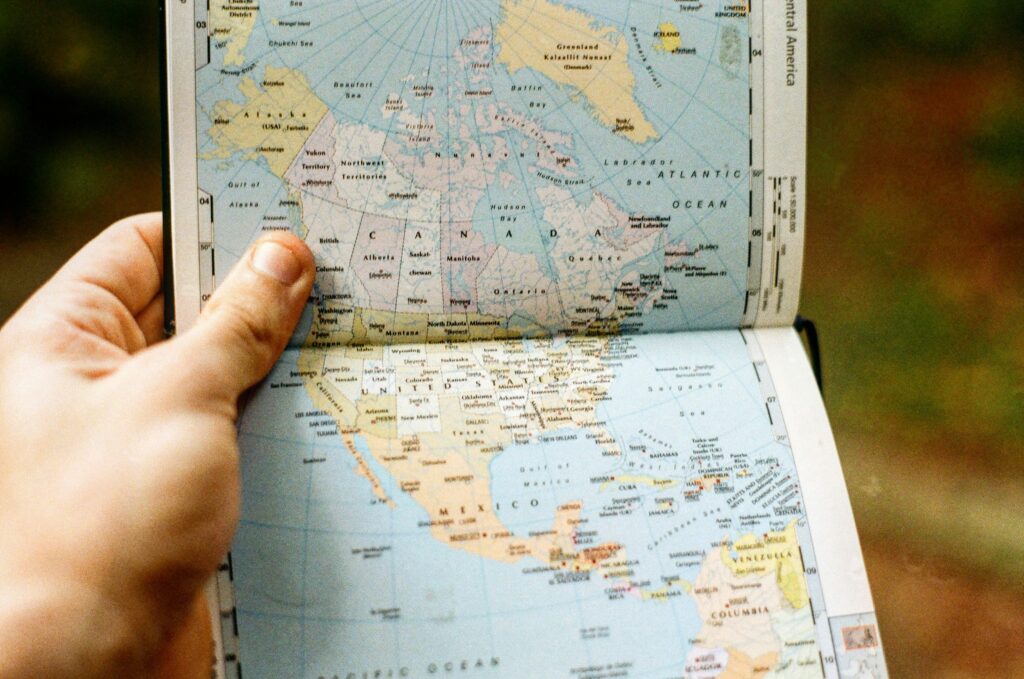
1. Know Local Emergency Numbers
Not every country uses “911.” Save the correct number for police, ambulance, and fire services.
2. Find Your Embassy or Consulate
Keep contact information handy in case you need legal or medical assistance.
3. Have a Plan B
- Know the location of nearby hospitals.
- Carry a small amount of cash in local currency for emergencies.
Combine with our Travel Documents Made Easy article for embassy and insurance prep.
Conclusion: Peace of Mind Equals Freedom
Traveling safely doesn’t mean being paranoid—it means being prepared and aware, so you can relax and enjoy the journey. By blending in, securing your money, caring for your health, and using smart digital practices, you create the freedom to explore stress-free.
When safety comes first, confidence follows. And with confidence, you’ll find yourself fully immersed in the joys of travel—whether wandering city streets, trekking mountains, or lounging by the beach.