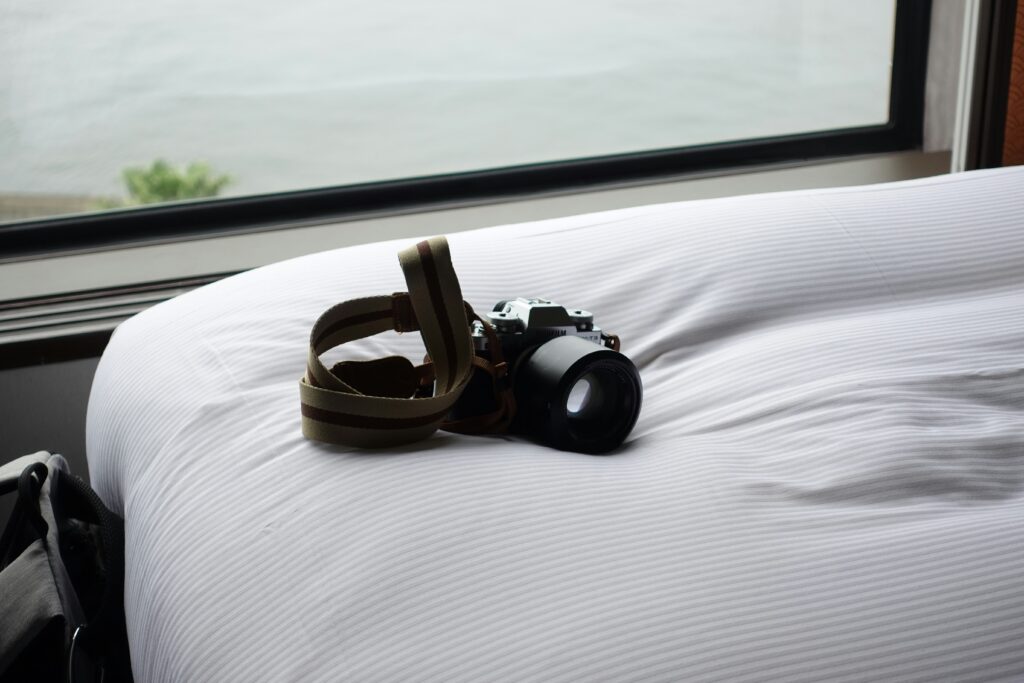
Introduction: Why Jet Lag Happens
You’ve landed in a dream destination, but instead of excitement, you feel groggy, irritable, and wide awake at 3 a.m. Welcome to jet lag—a common condition that occurs when your body’s internal clock, or circadian rhythm, is disrupted by crossing time zones.
Jet lag can make the first days of your trip difficult, but with the right strategies, you can minimize fatigue and adjust faster. This guide explores why jet lag happens, how to prevent it, and the best ways to recover quickly once you arrive.
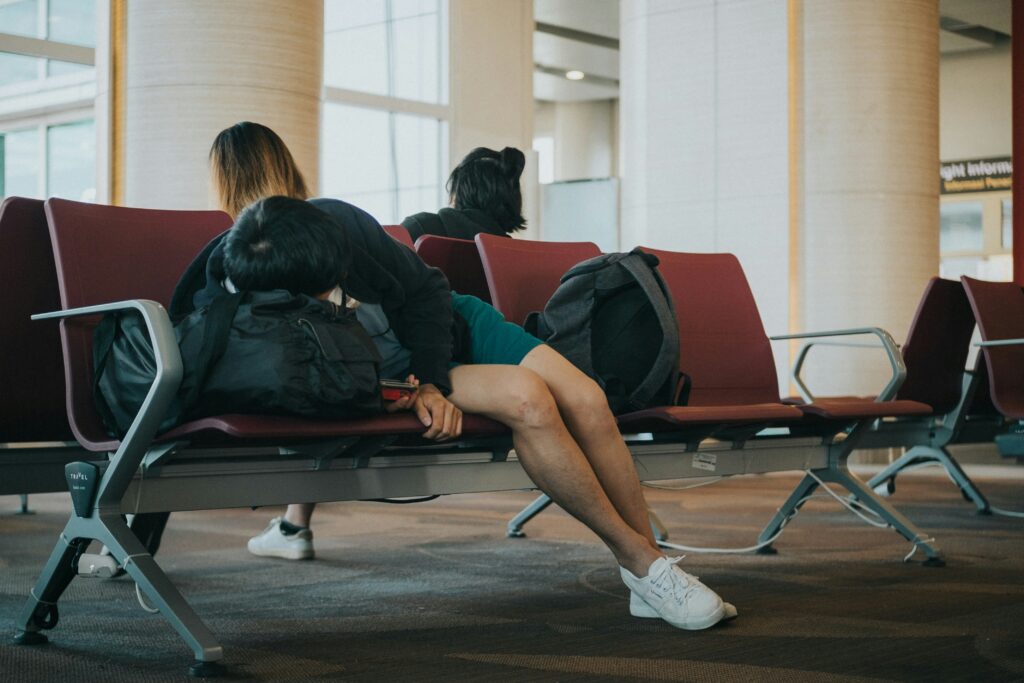
What Causes Jet Lag?
Your body’s circadian rhythm is designed to sync with natural light-dark cycles. When you fly across time zones, your body clock lags behind or jumps ahead, causing fatigue, insomnia, digestive issues, and difficulty concentrating.
- Eastward travel (e.g., New York → Paris) is harder because you “lose” hours.
- Westward travel (e.g., London → Los Angeles) is easier since you “gain” time.
- North-south travel usually avoids jet lag since time zones don’t change much.
Step 1: Prepare Before You Fly
Beating jet lag starts before your trip.
1. Adjust Your Sleep Schedule
- For eastward flights: Go to bed and wake up 1–2 hours earlier a few days before departure.
- For westward flights: Stay up later and sleep in longer.
2. Stay Healthy Pre-Flight
- Exercise regularly in the days before departure.
- Avoid late-night caffeine and alcohol—they disrupt sleep.
- Eat light dinners so your body clock is not thrown off.
3. Choose Flight Times Wisely
Whenever possible, choose flights that arrive in the evening—so you can go to bed at the local bedtime.
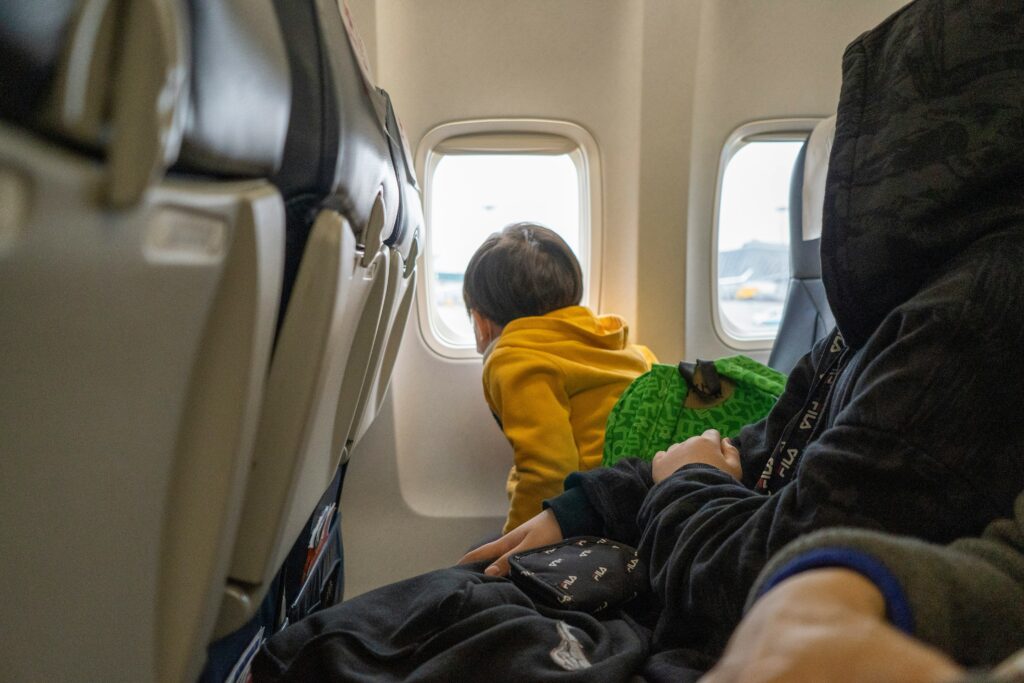
Step 2: Tips During the Flight
Your in-flight routine can make or break how you feel upon arrival.
1. Hydrate Constantly
Airplane cabins are dry, and dehydration worsens jet lag. Drink water regularly, avoid too much coffee or alcohol.
2. Move Around
Stretch, walk, or do light exercises in your seat to improve circulation and reduce fatigue.
3. Eat According to Destination Time
If it’s dinner at your destination, eat a meal; if it’s breakfast, opt for something lighter. This helps train your body.
4. Sleep Strategically
- Use an eye mask and earplugs to simulate nighttime.
- Neck pillows make sleeping easier, especially on long-haul flights.
Passenger sleeping comfortably on a plane with mask and pillow

Step 3: Adjust Quickly After Arrival
Once you’ve landed, it’s all about syncing your body with the local time zone.
1. Expose Yourself to Natural Light
Sunlight is the strongest signal for resetting your body clock. Spend time outdoors in the morning if traveling east, or in the afternoon if traveling west.
2. Avoid Naps (At First)
As tempting as it is, resist long naps on the first day. If you must rest, keep it under 30 minutes.
3. Stick to Local Mealtimes
Eat meals when locals do, even if you’re not hungry. This trains your digestive rhythm.
4. Stay Active
Take a light walk, stretch, or go for a short jog to re-energize your body.
Combine with our Cultural Journeys: Festivals Worth Traveling For to maximize your energy at local events.

Step 4: Sleep Aids and Natural Remedies
Sometimes, you may need extra help adjusting.
- Melatonin Supplements: Help signal your body that it’s bedtime. Best for eastward flights.
- Herbal Teas: Chamomile or lavender tea can relax your body.
- Blue Light Glasses: Reduce eye strain and help shift your circadian rhythm.
- Sleep Apps: Guided meditation or white noise can ease you into rest.
Pro tip: Always test supplements at home first before using them abroad.

Step 5: Special Tips for Frequent Travelers
Business travelers or frequent fliers need extra hacks.
- Stay on “home time” if trips are under 3 days.
- Split the adjustment—if crossing multiple zones, adjust halfway before arrival.
- Create a bedtime routine that works anywhere: reading, stretching, or meditation.
Pair with our Smart Travel Budgeting article for frequent flier savings.

Conclusion: From Fatigue to Fresh Starts
Jet lag may seem unavoidable, but with preparation, smart in-flight habits, and quick adjustment strategies, you can minimize its effects and enjoy your destination from the very first day.
Think of jet lag not as a barrier, but as a reminder of how incredible modern travel is—you’ve crossed oceans in hours, something our ancestors could never imagine. So the next time you land, step into the light, stretch, and embrace the adventure ahead—refreshed and ready.


Comments
Heard some good things about corona888. Decided to give it a whirl! I’ll let you know how it goes. Wish me luck! Let’s see if it lives up to the hype.
Alright, time to check out cwinsgame. New game, new possibilities! I’m excited to see what this one brings to the table. Gameplay time!
Heard about da88? Gotta try it out, man. Seems like everyone’s been winning lately! Check it out here: da88