Introduction: The Power of Spice
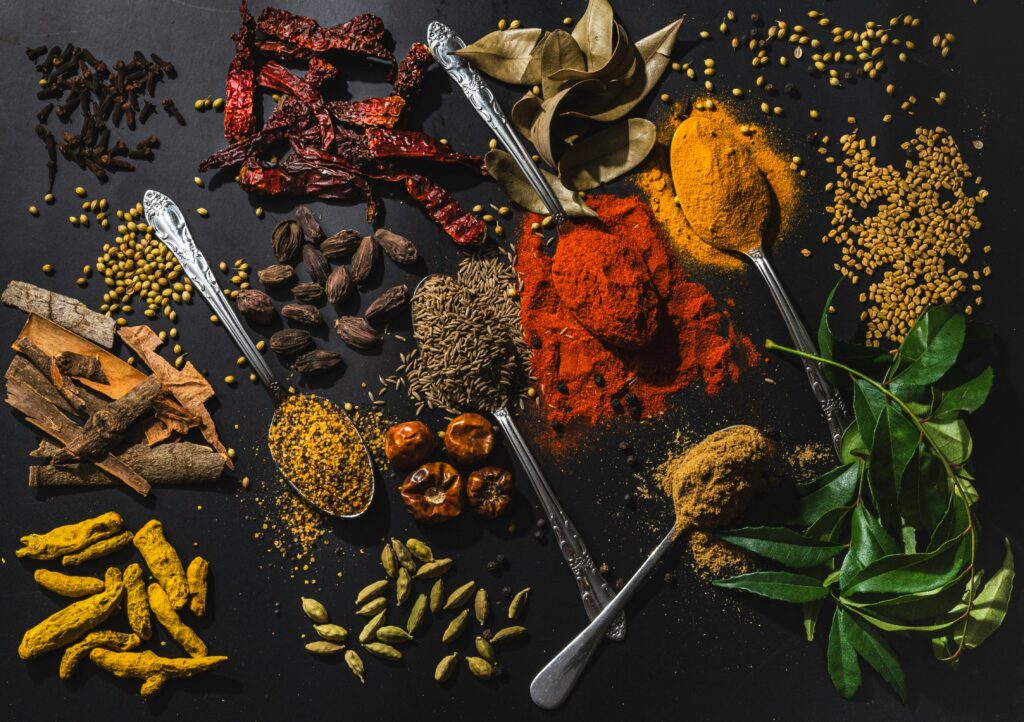
Spices are small but mighty. They transformed simple meals into feasts, sparked global trade routes, and even fueled wars and discoveries. From peppercorns in India to saffron in Persia and chili peppers in the Americas, spices carry centuries of history and flavor.
To travel through the world of spices is to explore how taste shaped civilizations and continues to connect cultures today.
India: The Land of Pepper and Masala
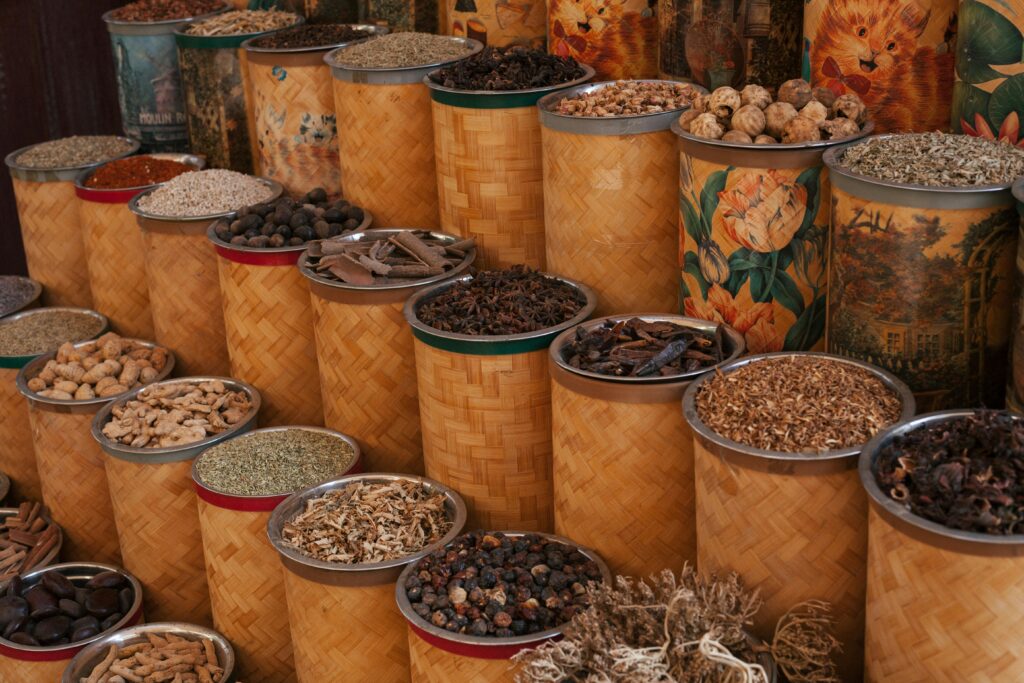
India is often called the “Spice Garden of the World.” Its peppercorns, cardamom, turmeric, and countless masalas have flavored kitchens and healed bodies for thousands of years.
- Black Pepper: Once known as “black gold,” it was so valuable it was used as currency.
- Cardamom: Sweet and aromatic, central in chai and desserts.
- Turmeric: Golden spice with medicinal uses, now a global health trend.
Visiting an Indian spice bazaar—such as in Kochi or Delhi—is like stepping into a kaleidoscope of aroma and color.
📌For more vibrant street culture, see our Bangkok Travel Guide.
Sri Lanka & Indonesia: Cinnamon and Cloves
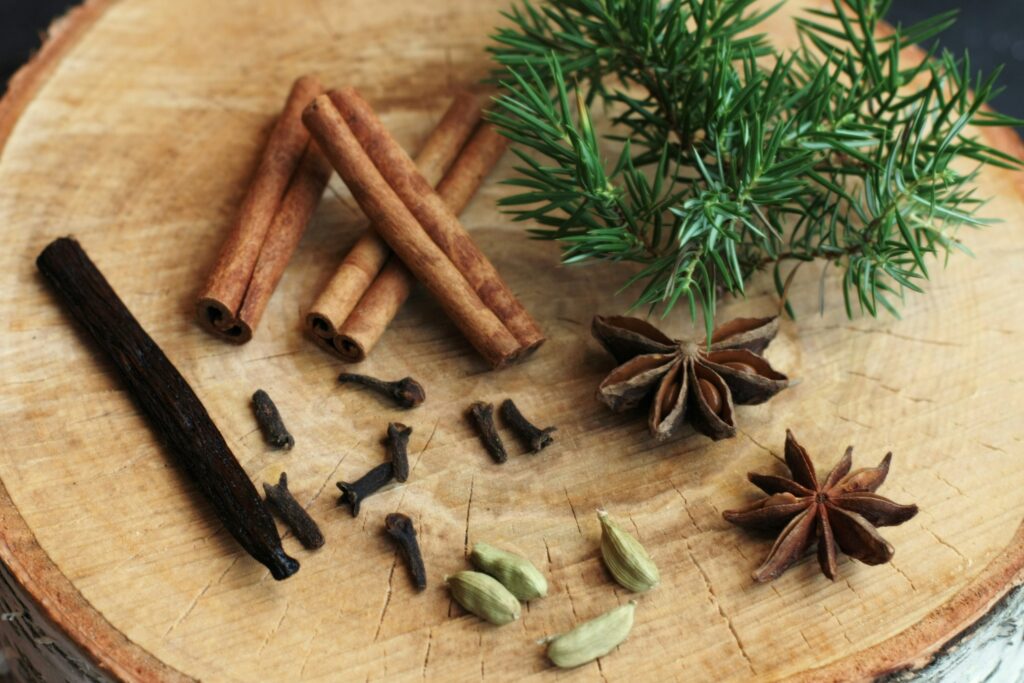
Sri Lanka is the birthplace of true cinnamon, a spice once more precious than gold. Its delicate sweetness influenced both sweet and savory dishes worldwide.
Indonesia’s Maluku Islands, also known as the “Spice Islands,” were the original source of cloves and nutmeg. These rare spices drove European exploration and colonization in the 15th and 16th centuries.
Without these islands, the Age of Exploration may never have happened.
📌Connect this history with our Mediterranean Flavors article, where spices played a role in shaping cuisine.
The Middle East: Saffron and Spice Routes
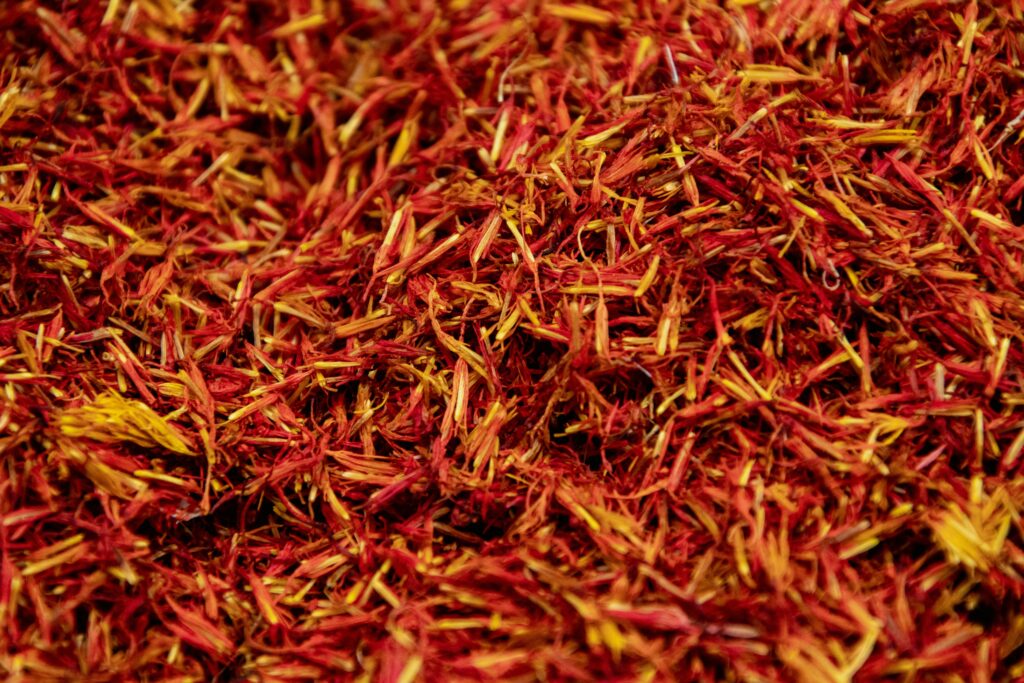
No spice embodies luxury like saffron. Harvested from the delicate stigma of crocus flowers, it remains the most expensive spice in the world. Used in Persian rice, Spanish paella, and Moroccan tagines, saffron adds not only flavor but also cultural prestige.
The Middle East was also central to the ancient spice routes, linking Asia, Africa, and Europe. Caravans carried cinnamon, cardamom, and frankincense across deserts and seas, making cities like Damascus and Baghdad hubs of flavor and commerce.
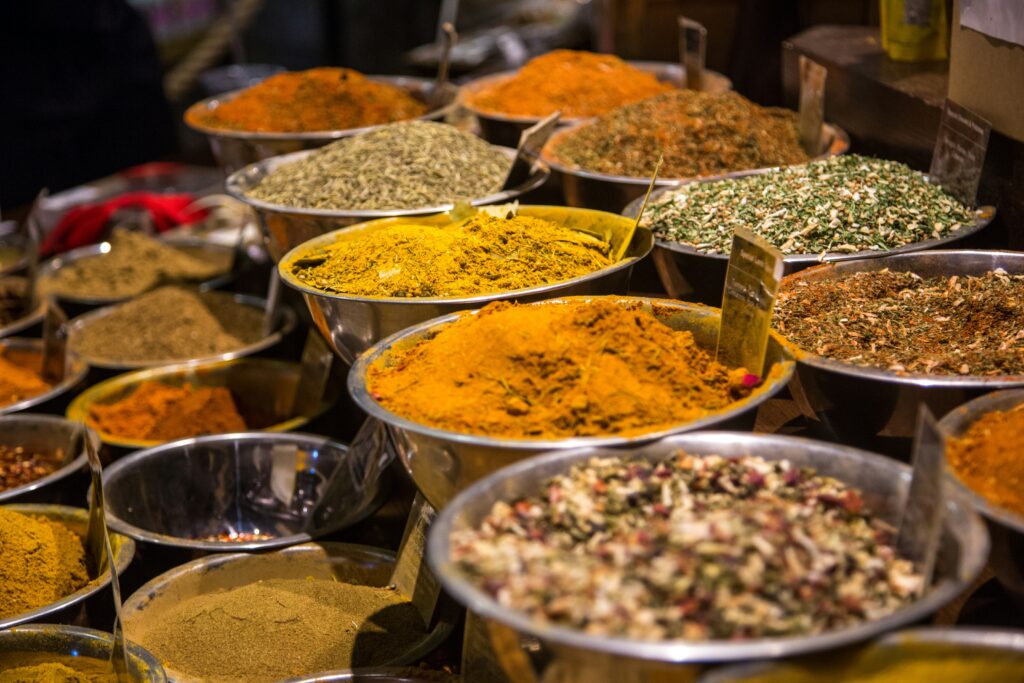
North Africa: Cumin, Coriander, and Colorful Markets
North African cuisine bursts with spices that define its identity.
- Cumin and Coriander: Earthy and aromatic, essential in couscous and tagines.
- Harissa: A chili paste combining spice and heat, beloved in Tunisia.
- Ras el Hanout: A Moroccan spice blend with up to 30 ingredients.
Markets like the souks of Marrakech overwhelm the senses—mounds of paprika, turmeric, and cumin piled high, vendors offering tastes and stories.
📌Learn more in our Street Food Around the World series.
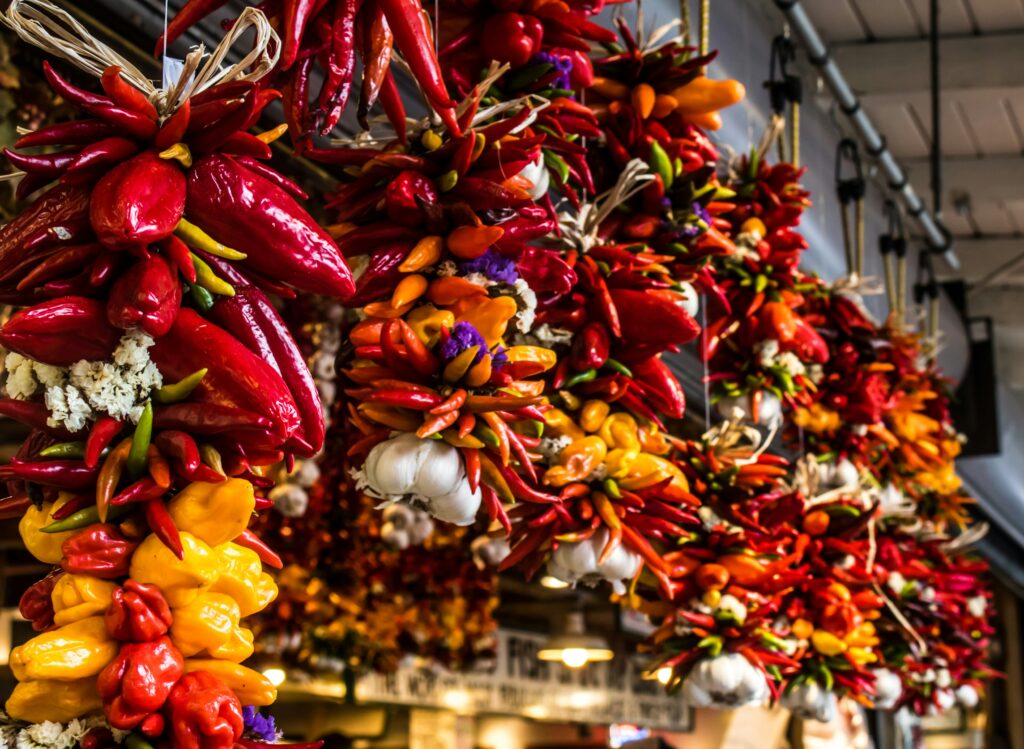
The Americas: Chili Peppers and New World Flavors
The discovery of the Americas introduced the world to chili peppers, vanilla, and cacao—spices that revolutionized global cuisine.
- Chili Peppers: From Mexico’s smoky chipotle to Peru’s fiery ají, chilies transformed food worldwide.
- Vanilla: Native to Mexico, now essential in desserts everywhere.
- Cacao: Once consumed as a bitter, spiced drink by the Aztecs.
When chilies reached India and China via Portuguese traders, they permanently altered the local cuisines we know today.
Europe: How Spices Changed History
For Europeans, spices were once exotic treasures. Nutmeg, cinnamon, and pepper were so prized they drove explorers like Vasco da Gama and Columbus across oceans.
Spices reshaped European cuisine—adding depth to stews, pastries, and even wines. But they also reshaped politics, leading to colonization, global trade empires, and centuries of conflict.
Today, Europe celebrates spices not just in haute cuisine but also in seasonal traditions like mulled wine with cloves and cinnamon.
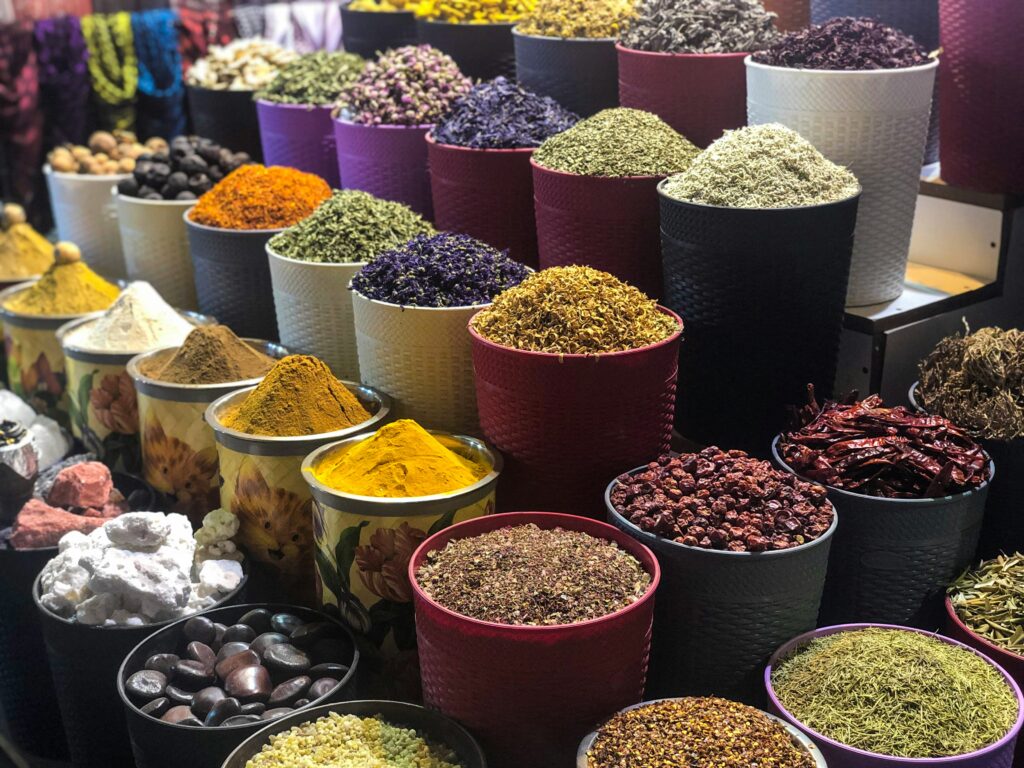
Spices for the Modern Traveler
- Visit spice markets—from Istanbul’s Grand Bazaar to Zanzibar’s spice farms.
- Take cooking classes to learn how to balance flavors.
- Buy small, fresh quantities—spices lose potency quickly.
- Be adventurous—try local blends like garam masala, za’atar, or Berbere.
- Respect traditions—in many cultures, spices are tied to rituals and beliefs.
Conclusion: Flavor as a Passport
Spices have always been more than ingredients—they are symbols of culture, wealth, and identity. They connected distant civilizations, inspired exploration, and left lasting marks on cuisines.
When you sprinkle cinnamon on your coffee or add chili to your soup, you’re participating in a history as rich as the flavors themselves.
So, let your palate travel: every spice is a passport stamped with centuries of tradition.

Comments
Okay, I checked out taya77.info and it seemed pretty straightforward. Easy to get around the website . Will be betting a small amount to test it out. Will post updates about how everything went! taya77
35phfunlogin is pretty straightforward. Easy to log in, easy to play. Nothing fancy, but gets the job done! If you like it simple, this is for you. 35phfunlogin
Acesuperapp – well, they’re trying! The app is pretty decent, and the selection is pretty good. They need some improvements but are making progress. Check them out! acesuperapp