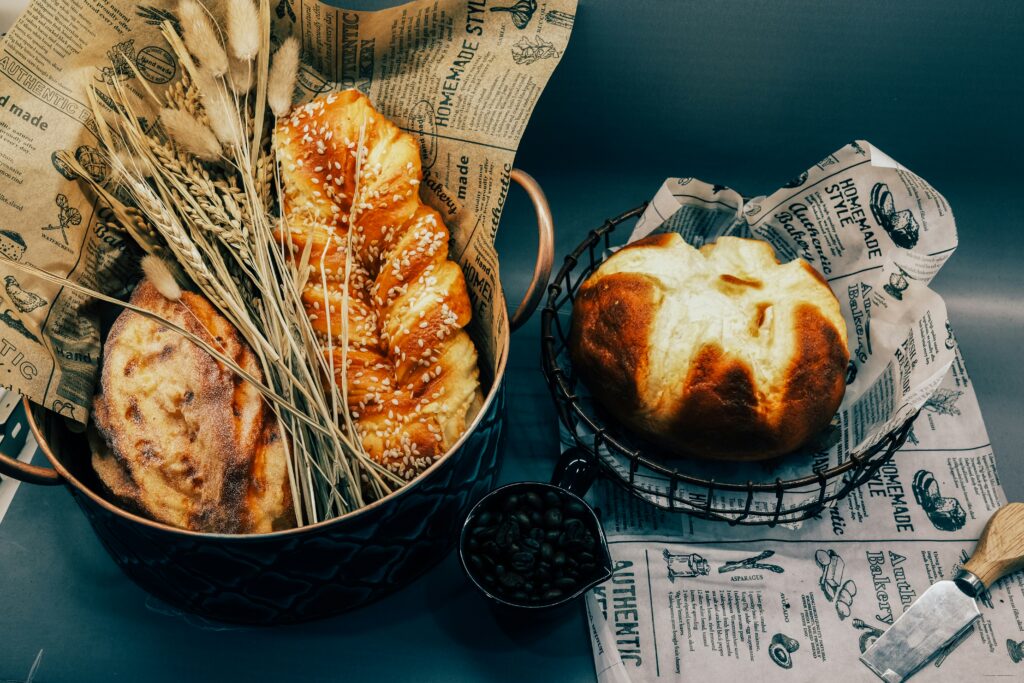
Introduction: Why Bread Unites Us All
Bread is one of humanity’s oldest and most universal foods. From the simplest flatbreads baked on hot stones thousands of years ago to the artisan sourdough loaves found in modern bakeries, bread has always carried symbolic weight. It represents nourishment, community, and survival.
Traveling the world through bread is like reading the diary of civilization—each loaf tells a story of geography, climate, and tradition.
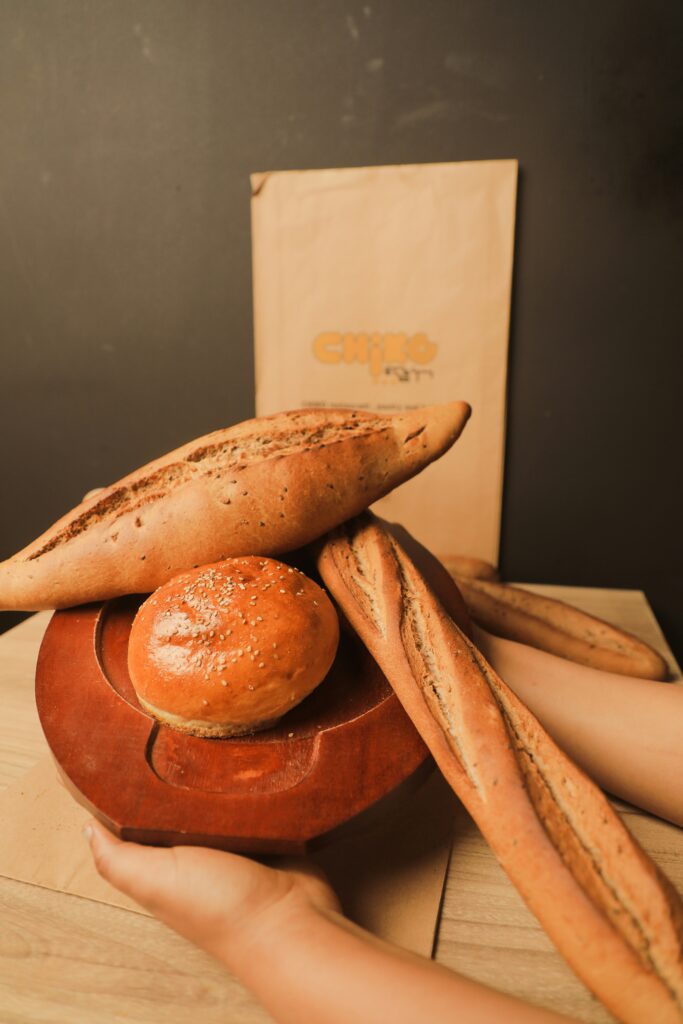
France & Europe: The Elegance of the Baguette and Beyond
When we think of bread, the French baguette instantly comes to mind. Its golden crust and airy interior are not just culinary triumphs but also cultural icons. In 2022, the baguette was even inscribed on UNESCO’s Intangible Cultural Heritage list.
Other European classics:
- Sourdough (Pain au Levain): A rustic loaf with tangy notes, beloved in France and Germany.
- Rye Bread: Popular in Northern and Eastern Europe, dense and hearty.
- Pretzels: A symbol of German baking, often eaten with beer.
Walking through Paris, you’ll see locals with baguettes tucked under their arms—proof that bread is still a daily ritual.
Pair your Paris trip with our Top European Wine Regions.
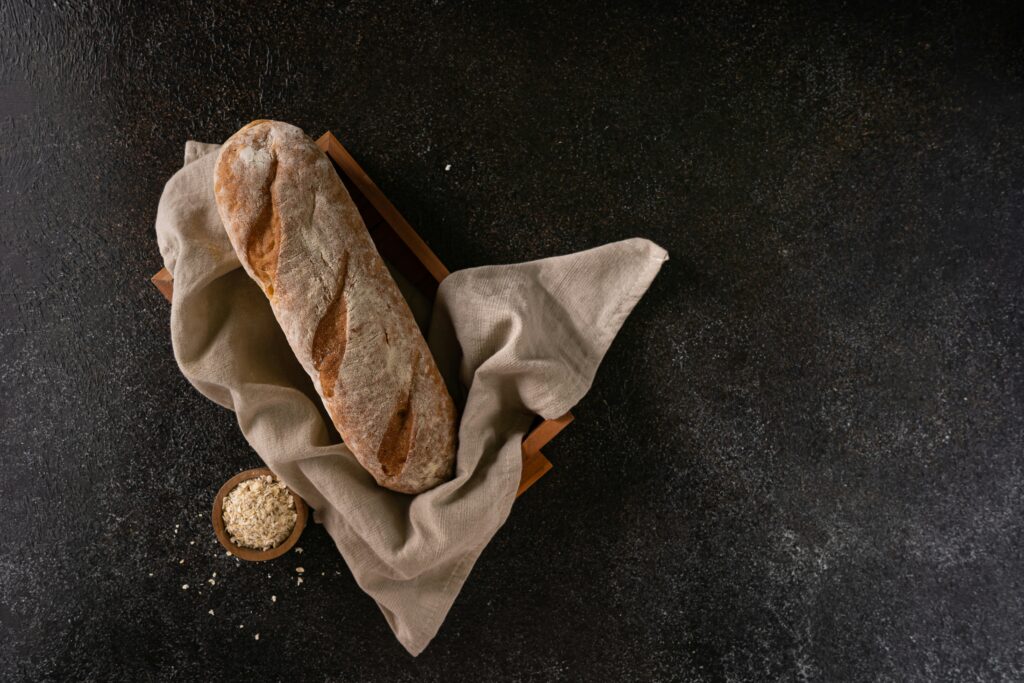
Italy & the Mediterranean: Bread Meets Olive Oil
Italian bread culture is diverse and deeply tied to regional traditions.
- Focaccia: A flat, airy bread drizzled with olive oil and topped with herbs.
- Ciabatta: Rustic, chewy, and perfect for panini sandwiches.
- Pane Toscano: Unsalted bread from Tuscany, meant to complement salty prosciutto or pecorino cheese.
In Italy, bread is rarely eaten alone—it’s paired with olive oil, wine, or hearty stews, making it a cornerstone of Mediterranean hospitality.
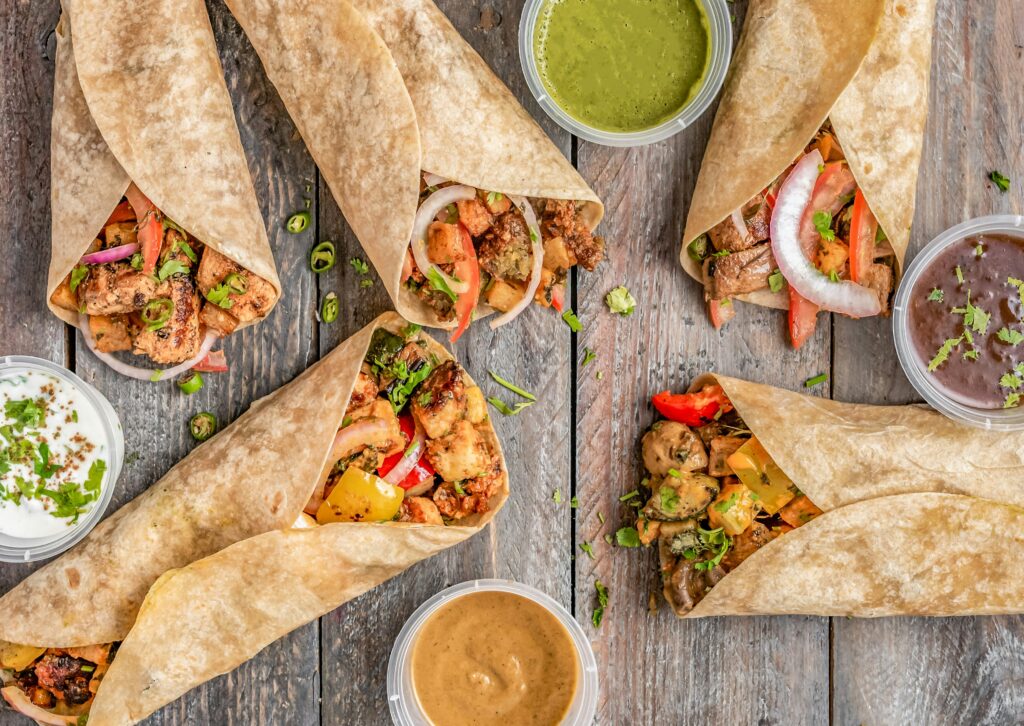
Middle East & North Africa: Flatbreads of Community
The Middle East gave the world some of its most enduring breads, many of which are flatbreads that double as utensils.
- Pita Bread: Soft and pocketed, ideal for scooping hummus or wrapping shawarma.
- Lavash: A thin, Armenian bread often used for wraps.
- Khobz: Moroccan round loaves baked daily in communal ovens.
Bread here is a symbol of hospitality. In Morocco, sharing bread is as important as sharing tea.

Asia: From Steamed to Sweet
Asia’s bread culture is less ancient than its rice traditions but no less fascinating.
- China: Steamed buns (mantou) and filled baozi remain everyday staples.
- Japan: Known for shokupan (fluffy milk bread) and creative pastries inspired by European techniques.
- India: Naan, roti, and paratha are essential companions to curries and lentil dishes.
Walking through Tokyo, you might find bakeries selling melon pan or curry-filled breads—a testament to how cultures blend.
See also our Tokyo Food Lover’s Map.

The Americas: Tortillas, Cornbread, and Bagels
Bread in the Americas reflects indigenous traditions and immigrant creativity.
- Mexico: Corn tortillas, the base of tacos, enchiladas, and quesadillas.
- United States: Cornbread, biscuits, and sourdough (especially from San Francisco).
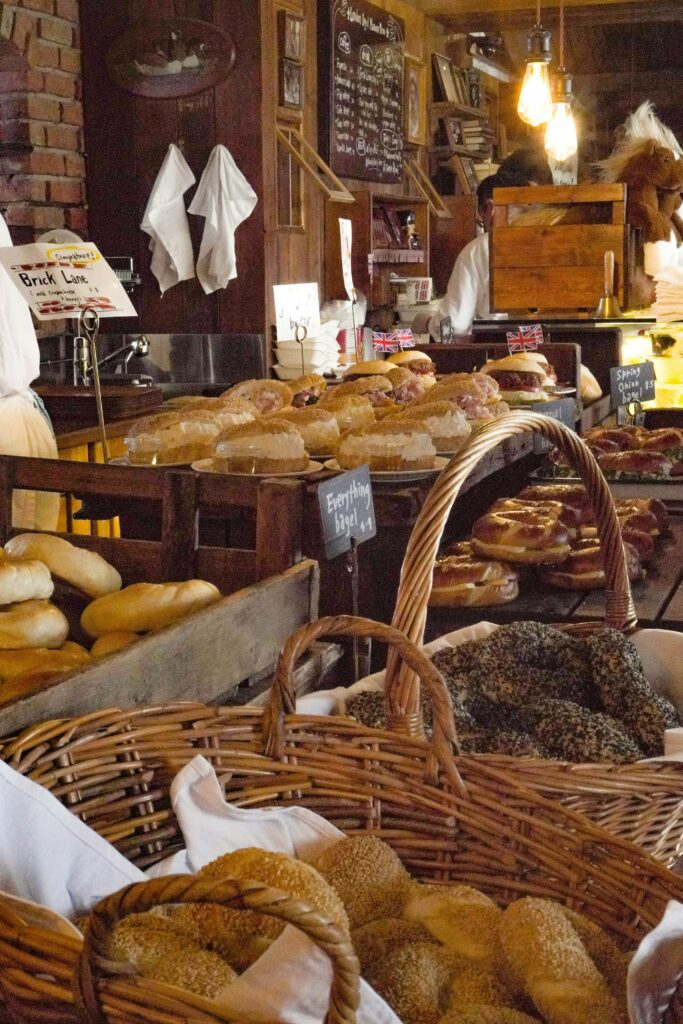
- Bagels: Brought by Jewish immigrants, now a breakfast staple in New York.
Bread here is about fusion and innovation, mirroring the cultural melting pot of the continent.
Bread as a Symbol of Community
Across the globe, bread is rarely eaten alone. It’s part of rituals and gatherings:
- Breaking bread at family dinners.
- Sharing flatbreads during religious feasts.
- Offering bread to guests as a sign of welcome.
In many cultures, wasting bread is considered disrespectful—it embodies life itself.
Traveler’s Tips: How to Find the Best Bread Abroad
- Visit local bakeries early in the morning—the freshest loaves sell out fast.
- Try regional specialties—from Moroccan khobz to Italian focaccia.
- Join a baking class to learn techniques and bring recipes home.
- Pair bread with local drinks—wine in France, tea in Morocco, coffee in Italy.
- Respect traditions—in many cultures, bread is sacred, not just food.
Combine with our Bangkok Travel Guide for a balance of sweet and savory experiences.
Conclusion: Bread as a Universal Language
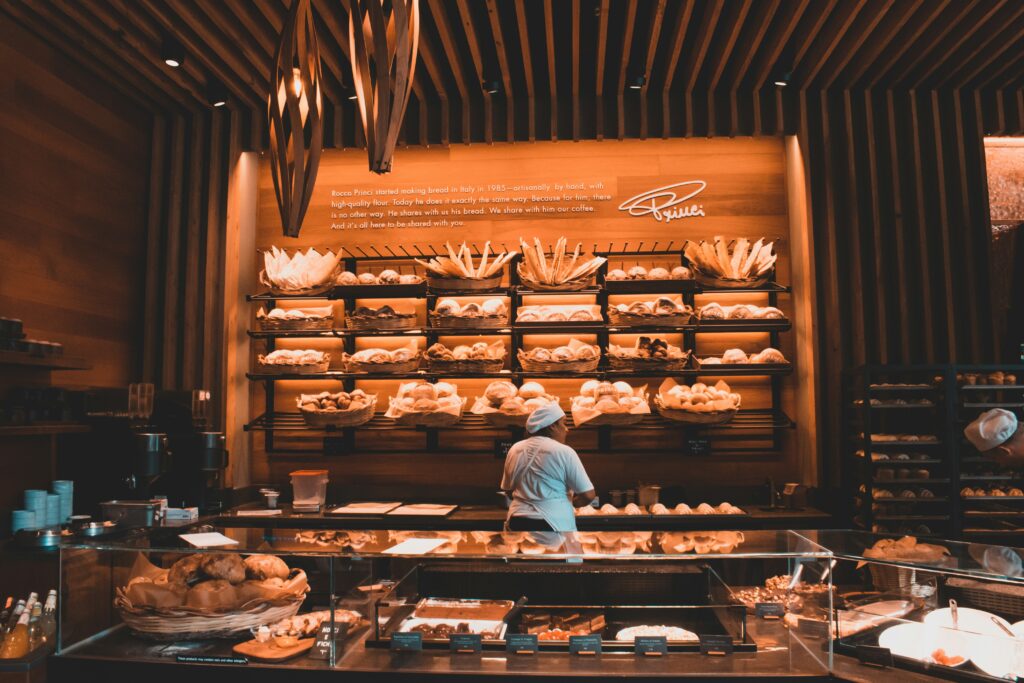
Bread is more than nourishment—it is memory, tradition, and belonging. It tells us where we come from and connects us to others. Whether it’s a crusty baguette in Paris, pita in Beirut, baozi in Beijing, or tortillas in Mexico City, bread transcends borders.
So next time you travel, don’t just eat bread—listen to the story it tells.