Introduction: A Cup That Connects the World
Tea is more than just a drink—it is a ritual, a philosophy, and in many places, a way of life. Across centuries and continents, tea has carried stories of emperors, monks, merchants, and explorers. From the misty mountains of China to the refined tea rooms of London, each culture has infused its own meaning into the practice of drinking tea.
In this article, we’ll travel through tea traditions across Asia, the Middle East, and Europe, uncovering how a simple leaf became a global cultural icon.

China: The Birthplace of Tea
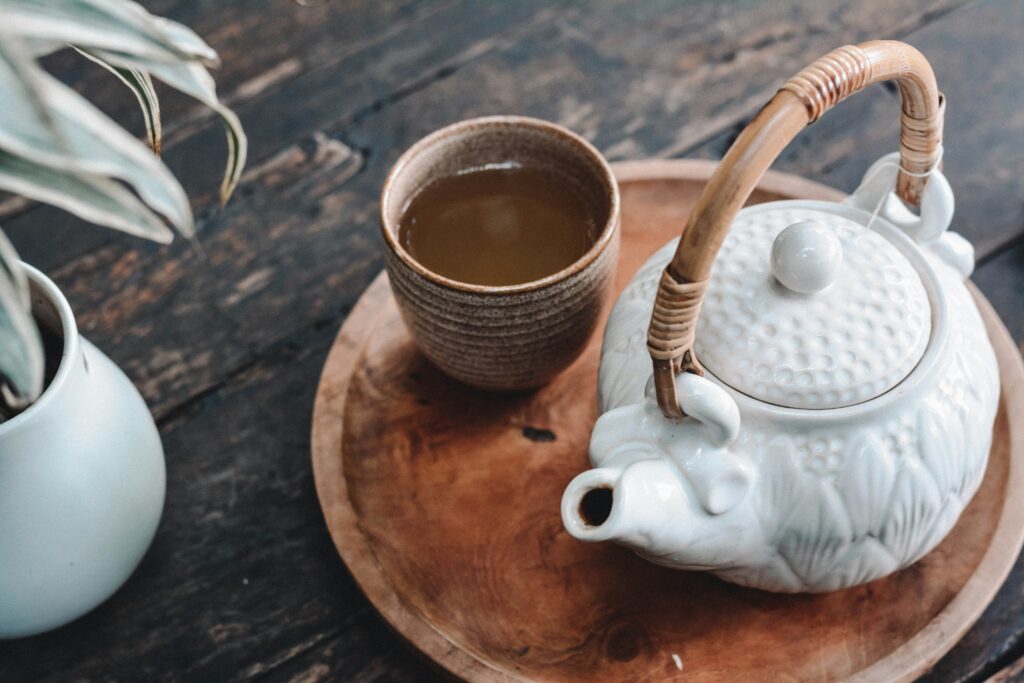
China is where the story of tea begins. Legends date back to Emperor Shen Nong in 2737 BCE, when tea leaves accidentally fell into boiling water. Over the centuries, tea evolved from a medicinal herb to a daily pleasure and spiritual practice.
Types of Chinese Tea:
- Green Tea (Lǜ Chá) – Light, fresh, and grassy; Longjing (Dragon Well) from Hangzhou is world-famous.
- Oolong Tea (Wūlóng Chá) – Semi-oxidized teas, balancing floral aromas with roasted depth.
- Pu’er Tea (Pǔ’ěr Chá) – Fermented and aged, often pressed into cakes, with earthy complexity.
Tea drinking in China is often tied to hospitality and philosophy. The Gongfu Cha (功夫茶) ceremony emphasizes patience, mindfulness, and respect for nature.
See also our Street Food Around the World for how food rituals connect cultures.
Japan: The Way of Tea (Sadō)
Japan transformed tea drinking into an art form. The Japanese tea ceremony, or Sadō (茶道), centers around matcha (powdered green tea) and is deeply rooted in Zen Buddhism.
Key Elements:
- Matcha preparation with bamboo whisk (chasen).
- Utensils considered as art objects—bowls, scoops, and pots.
- Philosophy: Wa (harmony), Kei (respect), Sei (purity), Jaku (tranquility).
Participating in a tea ceremony is less about drinking and more about experiencing mindfulness, beauty, and impermanence.
India: The Heartbeat of Chai
While China and Japan emphasize ritual, India celebrates tea as a daily joy of the masses. Introduced by the British in the 19th century, tea was quickly adopted and transformed into chai—a spiced, milky tea now enjoyed at every street corner.
Common ingredients:
- Black tea leaves
- Milk
- Spices like cardamom, ginger, cloves, and cinnamon
- Sugar, often generous
Across cities and villages, chai stalls bring people together—commuters, students, and neighbors sharing a hot cup. It’s not just a drink; it’s community in a cup
Planning a trip? Check our Bangkok Travel Guide for more street-side food and drink culture.
Middle East & North Africa: Mint Tea and Hospitality
In Morocco and across North Africa, mint tea symbolizes hospitality. Known as “Moroccan whisky” (though alcohol-free), it is brewed with green tea, fresh mint, and plenty of sugar.
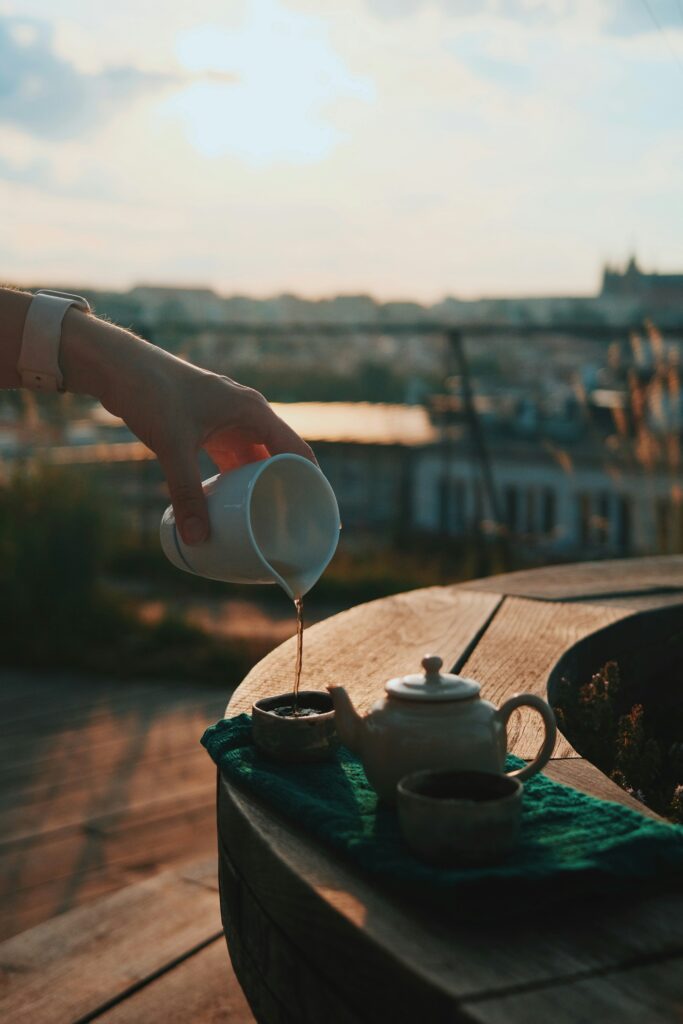
The preparation itself is theatrical: tea is poured from a height into small glasses, creating a frothy top. Guests are always offered at least three cups, each representing life, love, and death—a poetic reflection of existence.
In Turkey, tea is equally essential. Served in tulip-shaped glasses, Turkish tea accompanies conversations, business deals, and moments of rest.
Read our Morocco Travel Guide for more on the country’s sensory traditions.
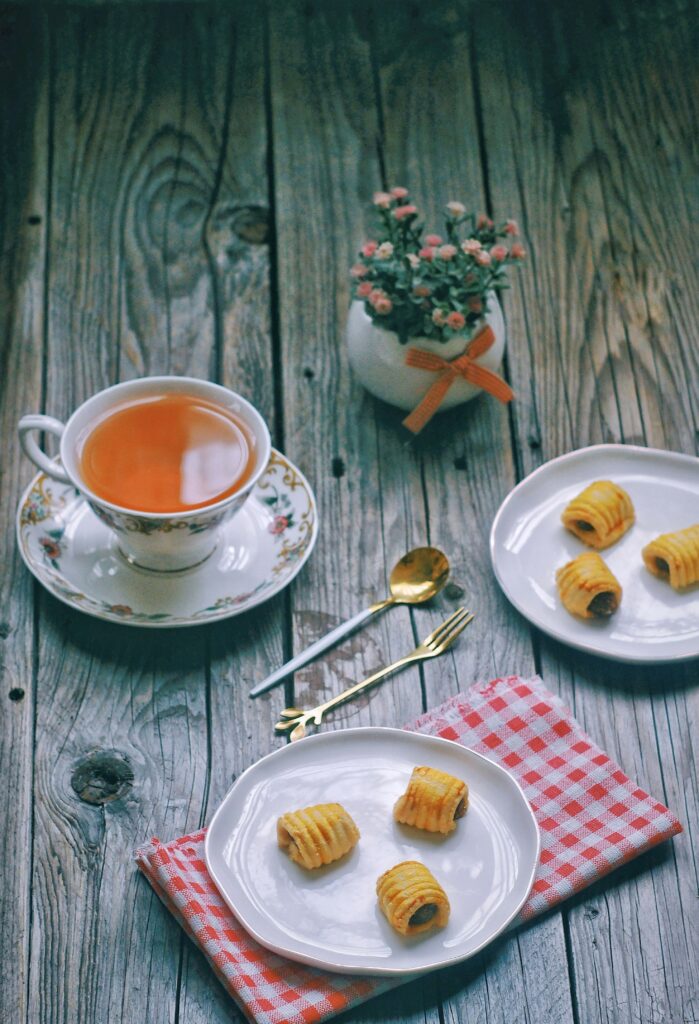
Britain: The Elegance of Afternoon Tea
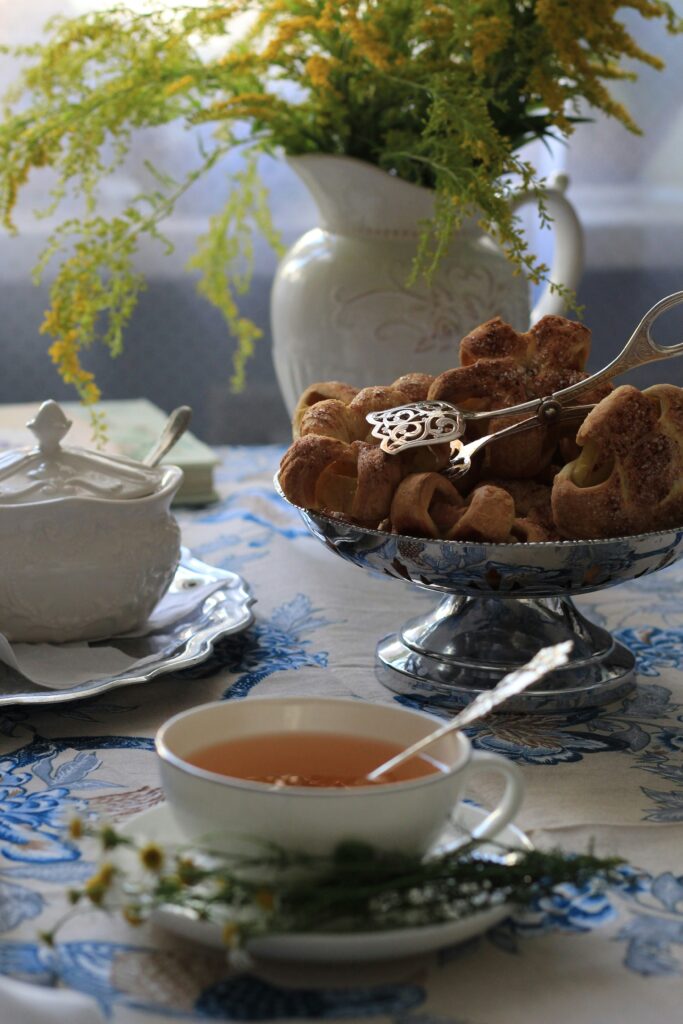
Introduced in the 17th century, tea quickly became Britain’s national drink. But it was Anna, Duchess of Bedford, in the 1840s who popularized afternoon tea as a social ritual.
Afternoon Tea Traditions:
- Black teas like Earl Grey or Darjeeling.
- Savories: Finger sandwiches with cucumber or smoked salmon.
- Scones with clotted cream and jam.
- Pastries: Tarts, cakes, and petit fours.
Afternoon tea reflects British refinement—an elegant pause between lunch and dinner, often enjoyed in fine hotels and tearoom
After tea, why not explore our Top European Wine Regions for another refined tasting journey?

Modern Trends: Tea in the 21st Century
Tea is not bound by tradition. Today, new trends are reshaping the way people enjoy it:
- Bubble tea (Boba): Originating from Taiwan, now a global craze.
- Artisan tea houses: Specializing in hand-brewed single-origin teas.
- Health-driven choices: Matcha lattes, herbal infusions, and kombucha.
This blend of old and new proves tea’s timeless adaptability.
Tips for Tea Travelers
- Join a tea ceremony in China or Japan to experience the cultural depth.
- Drink with locals—accepting tea is often a gesture of respect and friendship.
- Buy from local markets—fresh tea leaves make for authentic souvenirs.
- Balance caffeine—some teas like black or matcha are stronger than herbal infusions.
- Mind customs—in Morocco, always accept the third cup; in Britain, remember milk-first debates!

Conclusion: A Shared Ritual
Tea is a bridge across cultures—sometimes meditative, sometimes communal, sometimes refined. Whether sipping green tea in a quiet Chinese garden, sharing chai on bustling Indian streets, or enjoying afternoon tea in London, you are participating in a global ritual of connection.
So, the next time you raise a cup, remember: you’re part of a story that spans thousands of years and millions of hearts.